Why Off-Leash Training Is Crucial for Your Siberian Husky
Siberian Huskies are intelligent, independent, and have a strong prey drive. This combination makes off-leash training both challenging and essential. Without proper training, a husky may bolt after a squirrel or ignore your calls. However, with patience and the right techniques, you can enjoy safe, reliable off-leash adventures. This guide covers everything from foundational skills to advanced recall.
Understanding Your Husky's Instincts
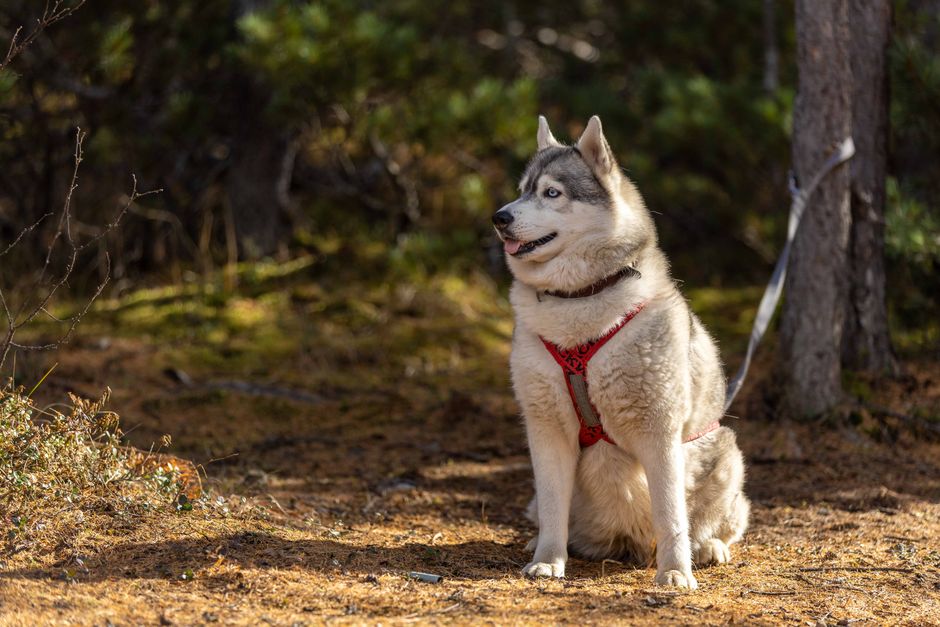
Huskies were bred to pull sleds over long distances, working in teams with minimal human direction. Their independence is a survival trait. They also have a high prey drive—they love to chase. These instincts mean that traditional obedience methods (like constant repetition) often fail. Instead, you must make yourself more interesting than any distraction.
The Prey Drive and Recall
Recall is the most critical command for off-leash training. Huskies naturally want to explore, so your recall cue must be irresistible. Use high-value treats like cheese, hot dogs, or liver. Never call your dog for punishment; always reward enthusiastically.
Prerequisites Before Starting Off-Leash Work
Do not attempt off-leash until your husky has mastered basic commands in low-distraction environments. Required skills:
- Reliable recall on a long line (15-30 ft)
- Solid stay and wait commands
- Focus on you even with mild distractions
- No-pull leash walking
Equipment You'll Need
- A well-fitting harness (flat collar can injure neck if dog lunges)
- A long training line (15-50 ft)
- High-value treats in a treat pouch
- A gentle leader or head halter for strong pullers (optional)
Step-by-Step Off-Leash Training Plan
Phase 1: Building a Solid Foundation (Weeks 1-2)
Start in a quiet, fenced area. With your husky on a long line, practice recall: say the cue (e.g., 'come'), then run backward while showing a treat. When your dog reaches you, praise and treat. Gradually increase distance. Do not let your dog fail—if they don't come, gently reel them in with the line. Never yank.
Phase 2: Adding Distractions (Weeks 3-4)
Move to a park with mild distractions (other dogs at a distance, people). Still use the long line. Practice the 'look at me' command to build focus. Reward any check-in with you. Try recall when your dog is sniffing or moving away.
Phase 3: Proofing Recall (Weeks 5-8)
Find a securely fenced area (e.g., tennis court, baseball field) for first off-leash trials. Keep sessions short (5-10 minutes). Use a whistle or unique word as an emergency recall. Always reward with jackpots (multiple treats) for coming from far away. Practice 'emergency down' for high-risk situations.
Common Mistakes and How to Avoid Them
| Mistake | Why It Fails | Solution |
|---|---|---|
| Calling only when you want to end fun | Dog learns 'come' means play stops | Call randomly, then release back to play |
| Using a low-value reward | Not motivating enough vs. prey | Use real meat or cheese, not kibble |
| Repeating the cue | Dog ignores first time, knows you'll say it again | One cue only, enforce with long line if needed |
| Letting dog off leash too early | Dog learns they can run away | Only go off leash after 90% reliability on long line |
Advanced Off-Leash Techniques
The 'Whistle Recall'
Whistles carry farther than your voice. Choose a unique pattern (e.g., two short blasts). Pair with high-value treats. Once conditioned, use only for emergencies or when your husky is far away.
Off-Leash Loose Leash Walking
Teach your husky to stay near you by rewarding when they check in or walk in heel position. Use a 'free' command to allow sniffing. Gradually increase distance and practice in open areas.
Safety Considerations for Off-Leash Huskies
- Always have an emergency recall cue (unique sound) that is 100% reliable.
- Use a GPS collar in case your dog gets lost.
- Only go off leash in safe, legal areas (off-leash parks, private land with permission).
- Be aware of your surroundings: roads, wildlife, aggressive dogs.
- Consider a breakaway harness or safety collar for emergencies.
What to Do If Your Husky Doesn't Come Back
Stay calm. Never chase—this triggers a game. Instead, run in the opposite direction or crouch down and call excitedly. If that fails, use a high-pitched 'treat' sound. If your dog is still bolting, try to get ahead and hide behind an obstacle, then call as they pass. Always carry a long line for maximum control.
Conclusion
Off-leash training a Siberian Husky requires dedication, but it's possible. Focus on building a strong bond, using high-value rewards, and never setting your dog up for failure. Start in low-distraction areas, gradually increase difficulty, and always prioritize safety. With time and consistency, you'll enjoy the freedom of a well-trained off-leash husky. Remember: the goal is a dog that chooses to stay with you because you are the most rewarding thing in their world.