Training a Siberian Husky puppy is both rewarding and challenging. Known for their intelligence, independence, and boundless energy, Huskies require a patient and consistent training approach. This comprehensive guide will walk you through every step of training your Husky puppy, from socialization to advanced commands, ensuring a well-behaved and happy companion.
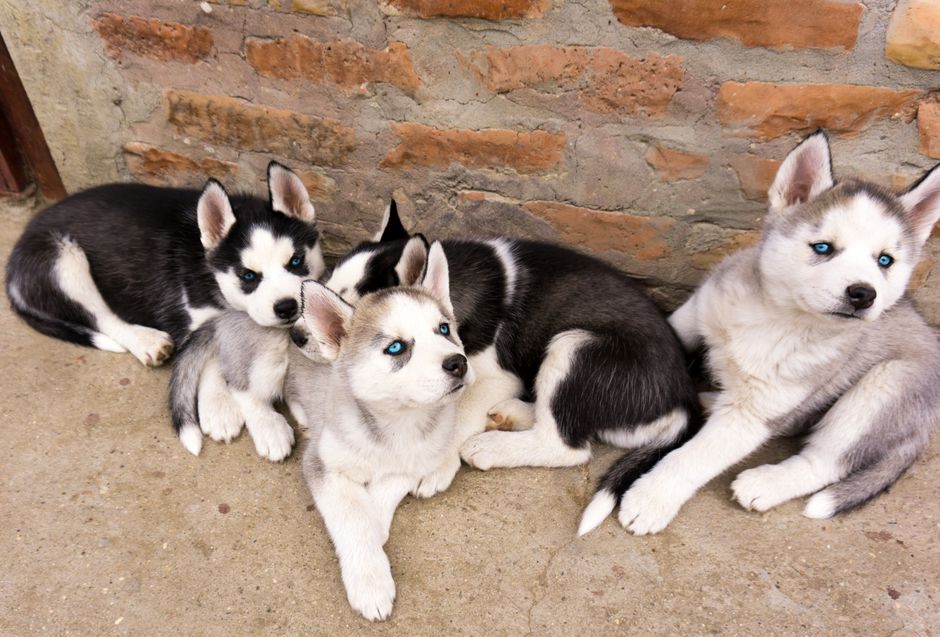
Understanding Your Husky Puppy’s Temperament
Before diving into training, it's crucial to understand the breed's unique traits. Siberian Huskies were bred to pull sleds over long distances, which means they are highly energetic, intelligent, and have a strong prey drive. They are also pack animals with a stubborn streak. Training must emphasize respect and trust rather than dominance. Expect your Husky to test boundaries; consistency is key.
Essential Puppy Training Supplies
- Crate: A sturdy, appropriately sized crate for crate training.
- Leash and Harness: A no-pull harness is ideal for Huskies.
- High-Value Treats: Small, soft treats like chicken or cheese.
- Clicker: Optional but effective for marker training.
- Puzzle Toys: To keep an intelligent Husky engaged.
- Potty Pads or Grass Patch: For indoor potty training.
The 3 Pillars of Husky Puppy Training: Socialization, Crate Training, and Potty Training
Socialization
Early socialization is non-negotiable for Huskies. From 8 to 16 weeks, expose your puppy to different people, dogs, environments, sounds, and experiences. Enroll in a puppy kindergarten class. Always use positive reinforcement—reward calm behavior. A well-socialized Husky will be less fearful and less prone to aggression.
Crate Training
Crate training provides a den-like safe space. Start by making the crate comfortable with bedding and toys. Feed meals near the crate, then inside. Gradually increase time with the door closed. Never use the crate for punishment. A properly crate-trained Husky will see it as a retreat and will be easier to housebreak.
Potty Training
Huskies are smart but can be stubborn about potty training. Establish a routine: take puppy out first thing in the morning, after meals, after naps, and every 2-3 hours. Use a designated spot and a cue word. Praise and treat immediately after elimination. If accidents happen indoors, clean thoroughly with an enzymatic cleaner to remove odors. Expect accidents up to 6 months of age.
Basic Obedience Commands: Sit, Stay, Come, Leave It
Start training as soon as your puppy comes home, using short sessions (5-10 minutes). Use a positive reinforcement method.
- Sit: Hold a treat near nose, lift slowly. As head follows treat, bottom will lower. Say “sit,” then give treat.
- Stay: Ask for sit, show palm, say “stay,” take a step back. Return and reward. Gradually increase distance and duration.
- Come: Use a happy tone. Say “come” while running backward. Treat when reached. Practice with distractions.
- Leave It: Place a treat in closed hand, say “leave it.” Ignore attempts to get it. Reward when puppy pulls away. Then use an open hand and eventually with items on floor.
Practice commands in different environments to generalize.
Leash Training and Loose Leash Walking
Huskies love to pull. Begin with a well-fitted harness (avoid neck collars for pullers). Use the “stop and go” method: when your puppy pulls, stop walking. Only move forward when the leash is loose. Reward periodically for walking nicely. Short sessions are best—10-15 minutes. Use high-value treats to encourage focus on you rather than distractions.
Dealing with Common Husky Behavior Issues: Howling, Digging, and Escaping
Huskies are notorious for howling, digging, and escaping. Address these with management and training.
- Howling: Provide ample exercise and mental stimulation. Teach “quiet” command: wait for a pause in howling, mark and reward. Increase duration gradually.
- Digging: Designate a digging pit with soft soil or sand. Bury toys and encourage digging there. Redirect when digging in forbidden areas.
- Escaping: Huskies are escape artists. Ensure fence is high (6 feet) and check for gaps. Provide secure tethered walks or supervised outdoor time. Never leave alone in yard unattended.
Positive Reinforcement vs. Traditional Methods
Huskies respond best to positive reinforcement (treats, praise, play). Aversive methods (shouting, physical corrections) can damage trust and increase stubbornness. Use reward-based training only. For stubborn behaviors, increase the value of rewards or use a clicker. Consistency and patience are more effective than domination.
Creating a Consistent Training Schedule
| Age | Training Focus | Duration |
|---|---|---|
| 8-10 weeks | Basic commands, name recognition | 2-3 min, 4-5 times/day |
| 10-12 weeks | Potty training, crate training, socialization | 5-10 min sessions |
| 3-6 months | Obedience commands, leash training | 10-15 min, 3-4 times/day |
| 6-12 months | Proofing commands, impulse control, advanced skills | 15-20 min, 2-3 times/day |
Incorporate training into daily routines—ask for a sit before meals, a stay before opening doors. Consistent structure helps your Husky predict expectations.
When to Seek Professional Help
If you encounter persistent issues like aggression, extreme fear, or severe resource guarding, consult a professional dog trainer specializing in positive methods. Also consider professional help if you feel overwhelmed. A trainer can provide personalized guidance and hands-on support.
Training a Husky puppy is a journey that builds a lifelong bond. With patience, consistency, and love, your Husky will grow into a well-mannered and joyful adult dog. Start today, and enjoy every step of the adventure!