Understanding Why Huskies Pull
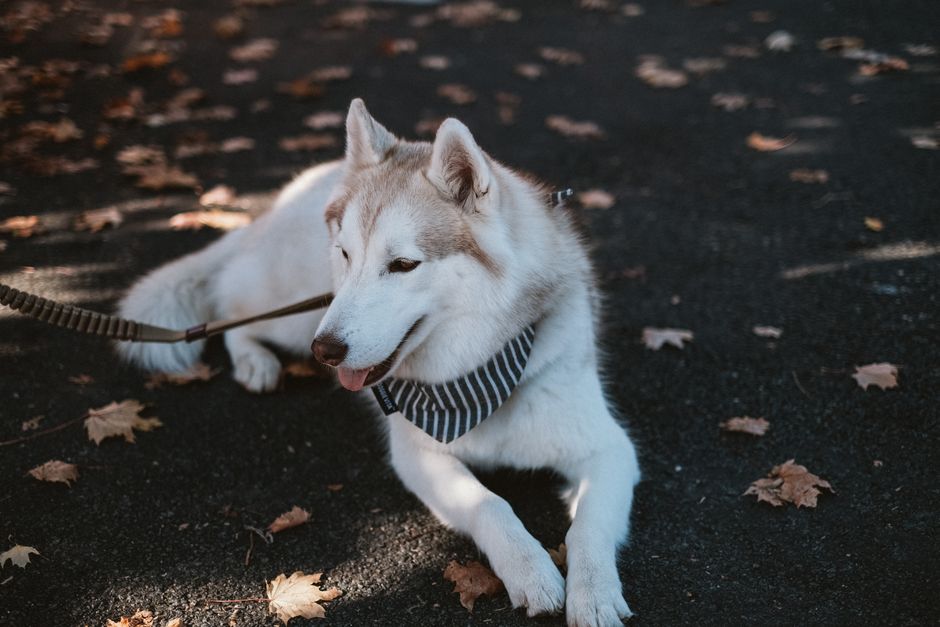
Siberian Huskies were bred to pull sleds over long distances, so pulling is deeply ingrained in their DNA. They are a working breed with high energy and a strong prey drive, making leash training a challenge without the right approach. Recognising that pulling is not disobedience but a natural instinct is the first step to addressing it effectively.
Essential Equipment for Preventing Pulling
Harnesses vs Collars
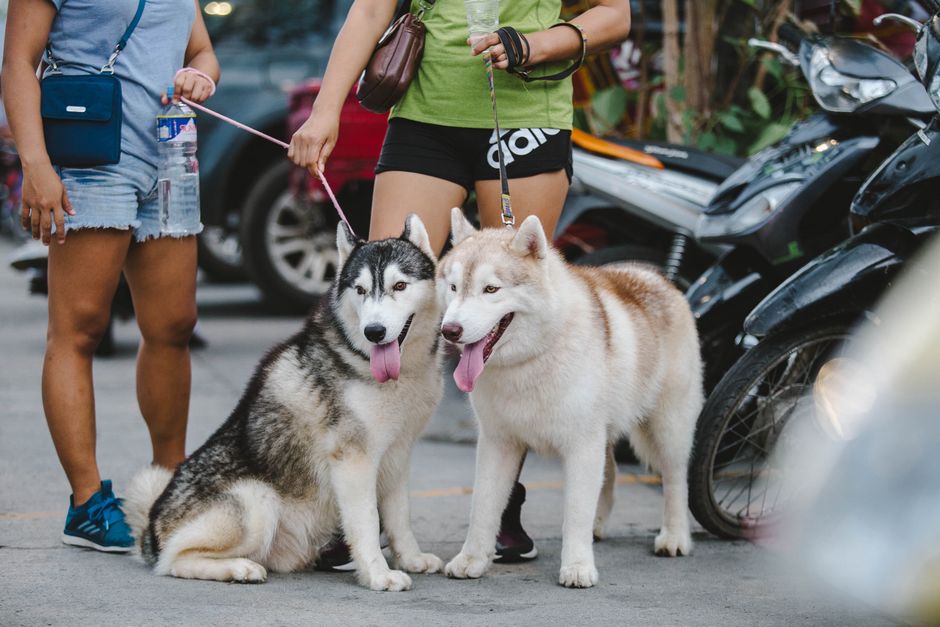
A standard collar can put pressure on your Husky's trachea and encourage pulling. Instead, use a no-pull harness with a front clip attachment. This design redirects your dog's forward motion to the side, turning them around when they pull. Back-clip harnesses can actually encourage pulling. Also consider a head halter (like a Gentle Leader) for more control, but introduce it slowly with positive reinforcement.
Training Tools
Invest in a sturdy 6-foot leash (not retractable) to maintain close control. Treats are essential – use small, high-value rewards like cheese or freeze-dried liver. A clicker can also be helpful for marking desired behaviors.
Foundation Training: Loose Leash Walking Basics
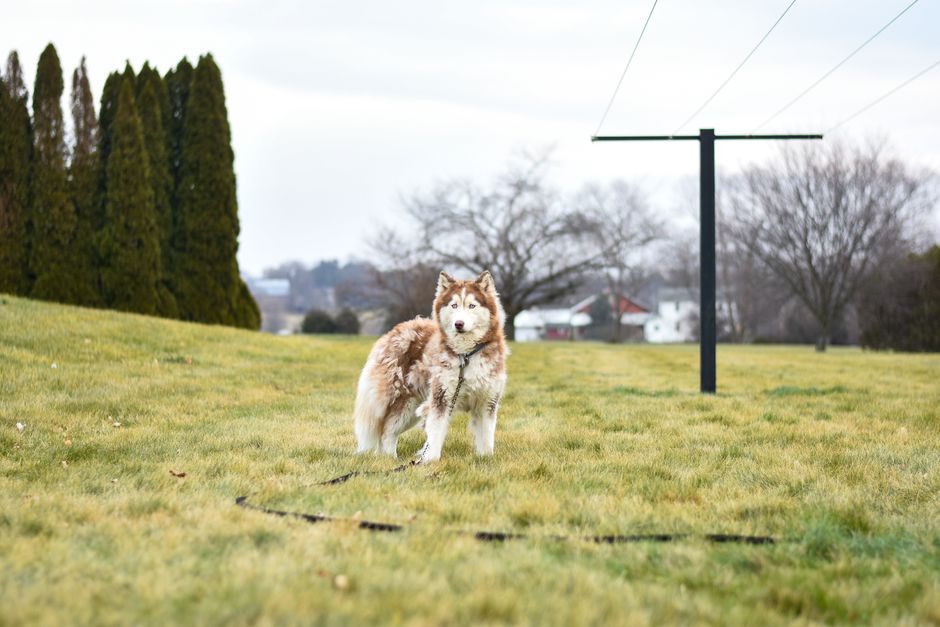
Start training in a low-distraction environment like your living room or backyard. Hold the leash with your hand at your side and wait for your Husky to stand calmly. The moment the leash goes slack, mark (click or say 'yes') and reward. Gradually add more movement – take a step forward, and if your Husky stays beside you with a loose leash, reward. If they lunge forward, stop immediately and wait for them to come back to your side. Consistency is key; never advance when the leash is taut.
The 'Be a Tree' Technique
When your Husky pulls, plant your feet like a tree and stand still. Do not tug back – just wait. Dogs quickly learn that pulling leads to stopping, while walking nicely leads to forward movement. Once the leash slackens, resume walking. This technique teaches your dog that the only way to move forward is to stay close to you.
Practical Step-by-Step Training Plan
- Inside Calmness: Practice loose leash walking in the house for 5-minute sessions, twice daily. Reward every step with a slack leash.
- Backyard or Quiet Street: Move to a slightly more distracting environment. Continue 'be a tree' technique. Be patient; your Husky may pull harder at first.
- Short Walks with Frequent Rewards: Keep initial outings short (10-15 minutes). Use high-value treats to reinforce heel position. Gradually increase duration as your dog improves.
- Add Distractions Gradually: Introduce one new distraction at a time (a person, another dog at a distance). Reward heavily for maintaining loose leash near distractions.
Advanced Techniques for Persistent Pullers
Change Direction (Loose Leash Zigzag)
When your Husky starts to pull, sharply turn around and walk the other way. This forces your dog to pay attention to you and breaks the pulling momentum. Repeat as needed. Over time, your dog will check in with you to avoid unexpected turns.
Engage-Disengage Game
Useful for reactive or high-prey-drive dogs. At a distance from a trigger (e.g., a squirrel), watch your Husky. As soon as they see the trigger but before they pull, mark and treat. Gradually decrease distance. This teaches your dog to look at you for treats when they see something exciting, rather than pulling.
Impulse Control Exercises
Practice 'leave it' and 'wait' at doorways. Build general impulse control to reduce pulling. Have your Husky sit and wait before going through doors, eating meals, or playing fetch. This translates to better control on walks.
Common Mistakes to Avoid
- Retracting the leash when your dog pulls – they see this as a tug-of-war game.
- Using a retractable leash – it reinforces pulling with tension and distance.
- Talking too much – Huskies tune out noise. Use calm, minimal commands.
- Skipping baseline training – jumping straight to walks without indoor practice will likely fail.
- Inconsistency – if you allow pulling sometimes, the behavior persists. All family members must enforce the same rules.
When to Seek Professional Help
If your Husky’s pulling is severe, accompanied by reactivity, or you feel unsafe, consult a certified positive-reinforcement trainer. Some Huskies require specialized behavior modification, especially if they have a history of intense pulling or fear-based reactions.
Sample Training Schedule
| Week | Focus | Duration per Session |
|---|---|---|
| 1 | Indoor loose leash walking | 5 min, 2x/day |
| 2 | Backyard with low distractions | 10 min, 2x/day |
| 3 | Quiet sidewalk walks | 15 min, 1-2x/day |
| 4-6 | Add moderate distractions (people, dogs at distance) | 20 min, 1-2x/day |
| 7+ | Generalize to all environments | 30 min or more |
Final Tips for Success
Be patient. Changing a Husky's pulling behavior takes weeks or months of consistent practice. Keep training sessions fun and short. Use praise and treats generously. mental stimulation (puzzle toys, training) can also tire out your Husky, making walks more manageable. With time and dedication, you can enjoy peaceful walks with your Siberian Husky.