Huskies are known for their boundless energy and spirited personalities. While their exuberance is part of their charm, a hyper husky can be challenging to manage. This comprehensive guide provides practical, proven techniques to help calm your hyper husky, ensuring a happier and more balanced life for both of you.
Understanding Why Your Husky Is Hyper
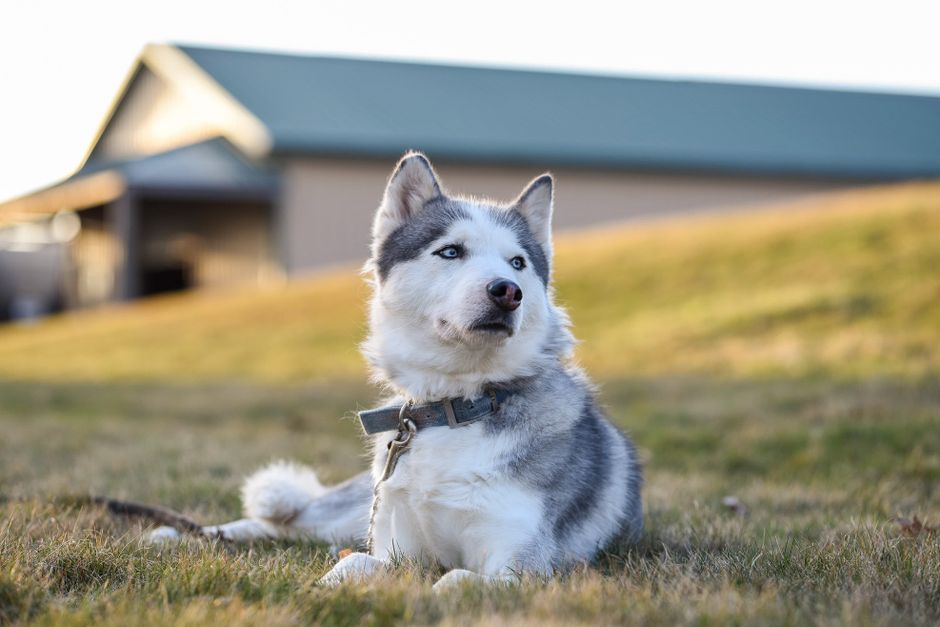
Huskies were bred as sled dogs, requiring endurance and stamina. This genetic background means they have a natural predisposition for high energy and activity. Common triggers for hyperactivity include insufficient exercise, lack of mental stimulation, boredom, anxiety, or an inconsistent routine. Identifying the root cause is the first step toward effective management.
Provide Adequate Physical Exercise
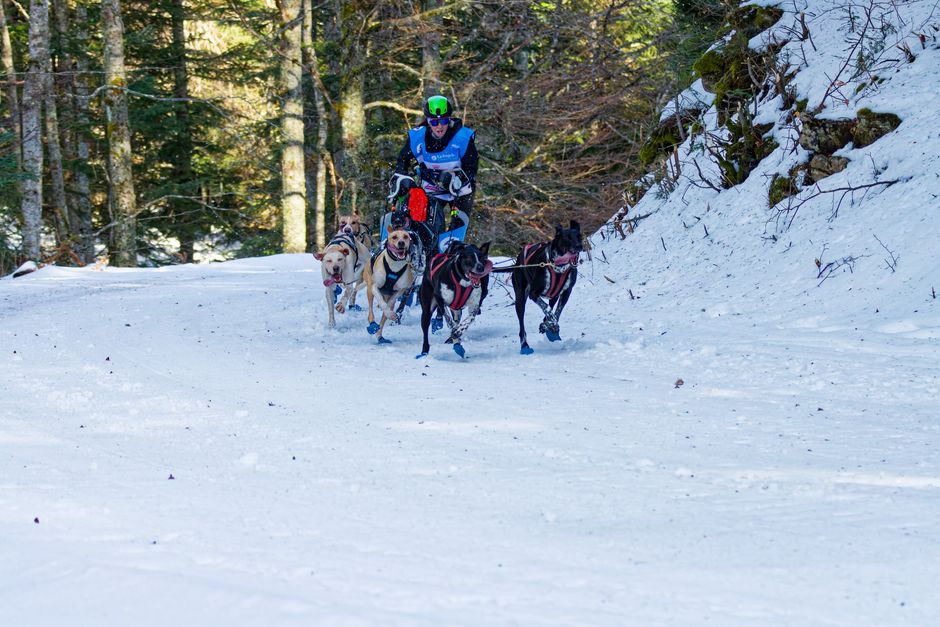
A tired husky is a calm husky. Aim for at least 60–90 minutes of vigorous exercise daily. Activities like running, biking, hiking, or playing fetch in a secure area help burn off excess energy. Incorporate interactive games such as tug-of-war or frisbee. huskies are escape artists, so ensure your yard is secure and always use a leash during walks.
Sample Exercise Schedule
| Time | Activity | Duration |
|---|---|---|
| Morning | Brisk walk or jog | 30 minutes |
| Afternoon | Fetch or agility play | 20 minutes |
| Evening | Long walk or hike | 40 minutes |

Incorporate Mental Stimulation
Physical exercise alone isn’t enough. Huskies are intelligent dogs that need mental challenges to prevent boredom. Provide puzzle toys, snuffle mats, or treat-dispensing balls. Teach new tricks or practice obedience commands like “sit,” “stay,” and “heel.” Hide treats around the house for a fun scavenger hunt. Nose work and scent games are excellent for engaging their natural instincts.
Train Calmness with Positive Reinforcement
Teach your husky to settle on command. Use a quiet cue like “calm” or “settle” and reward them when they are relaxed. Practice impulse control exercises: ask for a “sit” before opening doors, giving meals, or throwing toys. Gradually increase the duration of calm behavior before rewarding. Avoid reinforcing hyperactivity—ignore jumping or barking and reward only quiet, four-paws-on-the-floor behavior.
Step-by-Step Calmness Training
- Find a quiet setting and have high-value treats ready.
- Wait for your husky to naturally settle (lie down or sit quietly).
- Say your calm cue and give a treat.
- Gradually increase the time they must stay calm before receiving the treat.
- Practice in more distracting environments.
Create a Calming Environment
Reduce external stimuli that contribute to hyperactivity. Use blackout curtains to block outside movement, play calming music or white noise, and provide a designated quiet space like a crate or bed with a comfortable blanket. Aromatherapy with dog-safe scents like lavender can also promote relaxation. Establish a consistent daily routine for meals, walks, and rest to give your husky a sense of security.
Address Diet and Nutrition
Some huskies may have food sensitivities or allergies that contribute to hyperactivity. Ensure a balanced diet rich in protein and healthy fats, but avoid excessive carbohydrates and artificial additives. Consider supplements like omega-3 fatty acids (fish oil) to support brain health. Always consult your veterinarian before making dietary changes.
Use Calming Aids and Tools
If your husky is particularly high-strung, consider calming aids such as anxiety wraps (Thundershirt), calming chews with ingredients like L-theanine or chamomile, or pheromone diffusers (Adaptil). These tools can help take the edge off in stressful situations but should not replace exercise and training.
Practice Patience and Consistency
Behavior change takes time. Stick to your routines and remain patient. Avoid raising your voice or punishing your husky for being hyper, as this can increase anxiety. Instead, redirect their energy into appropriate activities. Celebrate small victories and gradually shape calm behavior.
When to Seek Professional Help
If your husky’s hyperactivity is extreme or accompanied by destructive behavior, aggression, or signs of anxiety, consult a professional dog trainer or a veterinary behaviorist. They can provide tailored strategies and rule out underlying medical issues.
By combining adequate exercise, mental stimulation, consistent training, and a calming environment, you can help your hyper husky find their inner peace. Remember, a calm husky is a happy husky—and a happy owner too!