Understanding Why Huskies Bark at Strangers
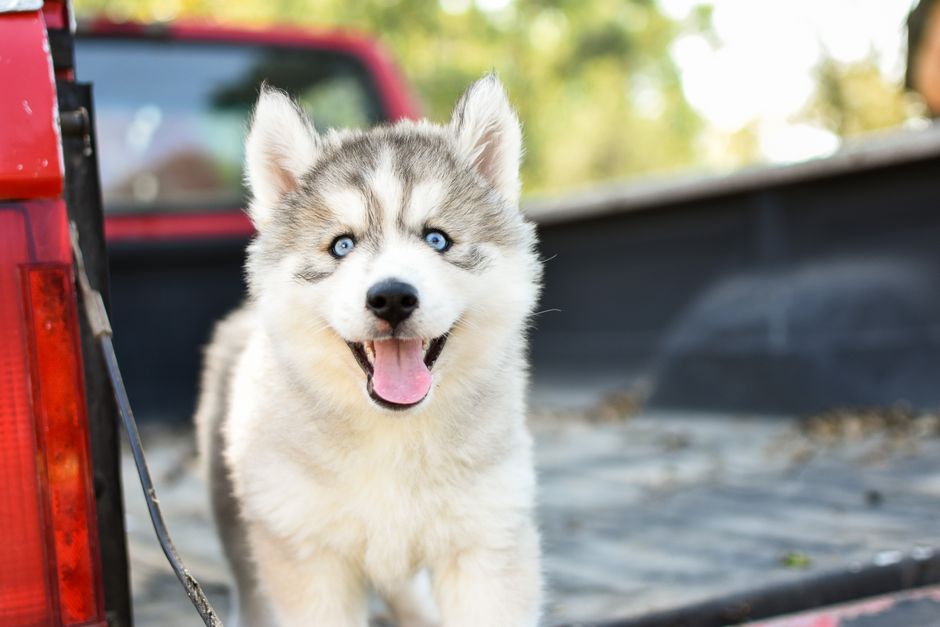
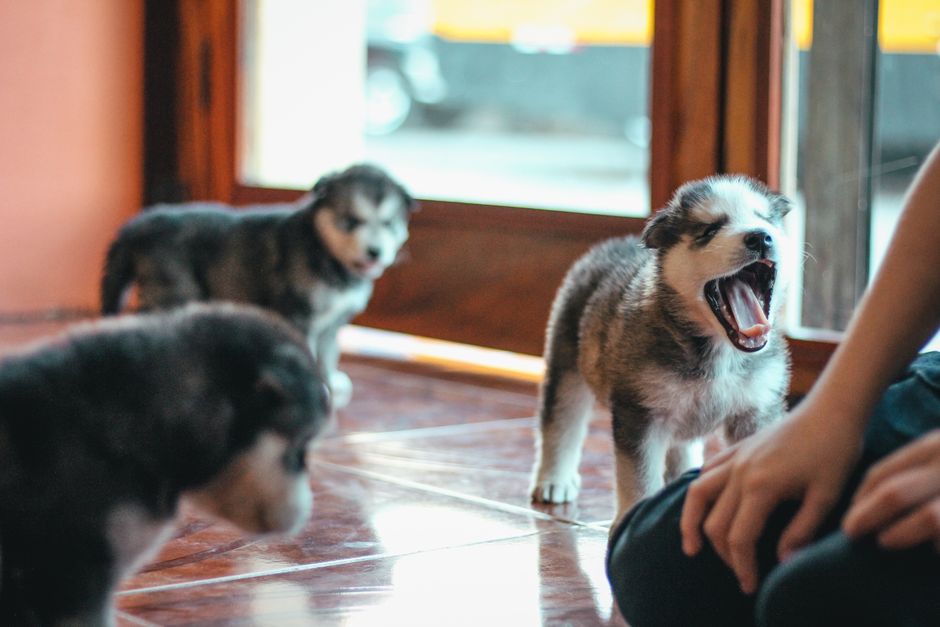
Siberian Huskies are a vocal breed, known for their howls, whines, and yes, barking. But when that barking is directed at strangers, it can become a nuisance or even a concern. Unlike guard dogs, Huskies rarely bark out of true aggression; instead, it’s often due to excitement, anxiety, or their natural alertness. A Husky might bark when someone approaches the door, walks past the yard, or enters the home. This behavior stems from their pack mentality and desire to communicate. Some Huskies bark because they’re unsure of the newcomer and feel the need to warn their family. Others may bark out of overstimulation or frustration because they want to greet the stranger but can’t. Identifying the root cause is the first step in training.
The Difference Between Protective Barking and Attention Barking
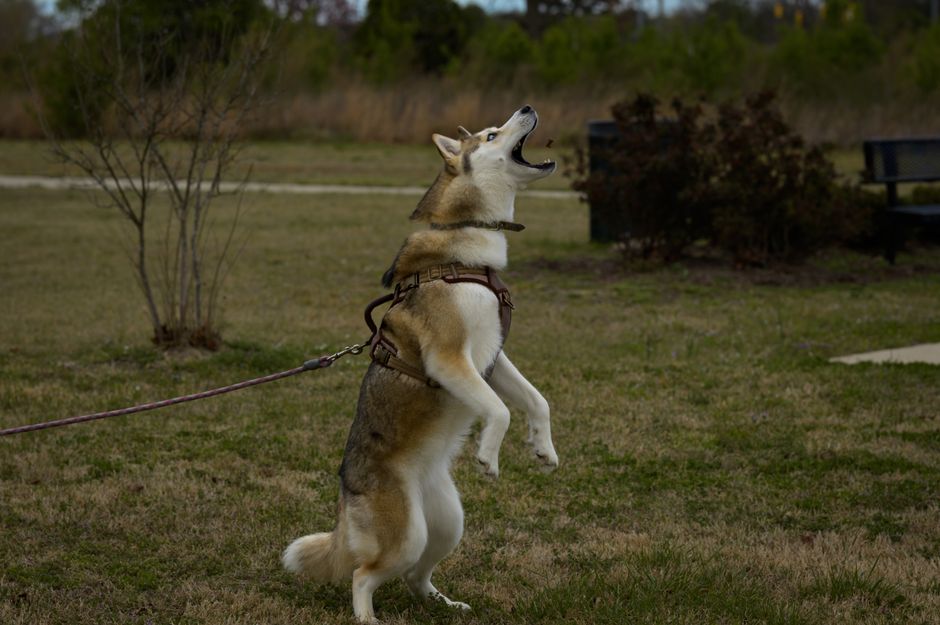
Before diving into training, it’s crucial to distinguish between why your Husky is barking. Protective barking is characterized by a deeper, repetitive bark with stiff body language, raised hackles, and perhaps a growl. This is rare in Huskies but can occur if they feel genuinely threatened. Attention barking, on the other hand, is more high-pitched, often accompanied by a wagging tail or jumping. The dog may look at you, then at the stranger, as if saying “Look! Someone’s here!”. Most Husky barking at strangers is attention-seeking or excitement-based. Knowing this helps you choose the right training approach – for attention barking, you’ll work on impulse control; for anxiety, you’ll focus on desensitization.
Step-by-Step Training to Stop Barking at Strangers
Desensitization and Counter-Conditioning
Desensitization involves gradually exposing your Husky to strangers at a distance where they don’t bark. Counter-conditioning pairs the sight of a stranger with something positive, like high-value treats. Start by having a friend stand far away (where your dog notices but doesn’t bark). Each time your dog sees the friend and remains quiet, mark with “yes” and treat. Slowly decrease the distance over multiple sessions. Never rush – if your dog barks, you’re too close.
The ‘Quiet’ Command
Teach your Husky a solid “quiet” cue. In a calm environment, wait for your dog to bark (maybe by having someone knock), then say “quiet” in a firm, calm voice. As soon as there’s a pause in barking, even for a second, reward with a treat. Repeat, extending the duration of silence required. Eventually, your dog will learn that barking stops when you say “quiet”, and that leads to rewards.
Controlled Introductions
When a stranger visits, keep your Husky on a leash and ask the visitor to ignore the dog completely. Have the visitor toss treats on the floor away from them, so your dog associates the stranger with good things. If your dog barks, calmly walk them to another room until they calm down, then try again. Reward any calm behavior with treats and praise.
Use of Positive Reinforcement
Be generous with rewards. Whenever your Husky sees a stranger and chooses to look at you instead of barking, treat heavily. You can also teach an alternative behavior, like going to a mat or lying down when people arrive. Practice with family members and then with strangers. Consistency is key – reward every quiet interaction.
Management Techniques for Immediate Results
Limiting Visual Stimuli
While training is ongoing, manage your Husky’s environment to reduce barking triggers. Block access to windows that face the street or use opaque window film. Close curtains when you know guests are coming. If your dog barks at the doorbell, desensitize to the sound first.
White Noise or Calming Music
Sounds that mask outside noises can prevent barking before it starts. Classical music, white noise machines, or specially designed “dog calming” playlists can help keep your Husky relaxed and less reactive.
Exercise and Mental Stimulation
A tired Husky is a quiet Husky. Ensure your dog gets plenty of physical exercise (long walks, runs, or play sessions) and mental stimulation (puzzle toys, training games). A bored dog is more likely to bark excessively. Aim for at least 1-2 hours of activity daily.
Common Mistakes to Avoid
- Yelling or punishing: Shouting at your Husky when they bark may increase their anxiety or make them think you’re joining in the barking. It can also damage trust.
- Inconsistent rules: If you sometimes allow barking (e.g., when you’re expecting a delivery) and other times punish it, your dog will be confused. Decide on a clear policy.
- Using aversive tools: Shock or prong collars are not recommended for barking issues; they can cause fear and aggression, especially in a sensitive breed like the Husky.
- Not addressing the underlying cause: If your Husky is anxious, treats alone won’t fix it. You need to build confidence, possibly with professional help.
When to Seek Professional Help
If your Husky’s barking is accompanied by growling, snapping, or hiding, it may indicate fear-based aggression. Similarly, if training hasn’t shown improvement after several weeks, consult a certified dog behaviorist or a force-free trainer. Huskies are intelligent but can be stubborn; sometimes an outside perspective is necessary. Professional help ensures safety for everyone involved.
Conclusion
Training a Husky to stop barking at strangers requires patience, consistency, and positive techniques. Understand why your dog barks, manage the environment, and practice desensitization and the “quiet” command daily. Avoid punishment and focus on rewarding calm behavior. With time, your Husky can learn to greet strangers politely or ignore them altogether. Remember, every dog learns at their own pace, so celebrate small victories and keep sessions short and fun.
By following this guide, you’ll not only reduce unwanted barking but also strengthen the bond with your Husky. Happy training!