Huskies are notorious escape artists. Their independent nature, intelligence, and strong prey drive make them prone to running away, often leaving owners frustrated and worried. However, with the right training and management strategies, you can significantly reduce—and even eliminate—this behavior. This comprehensive guide covers everything you need to know about husky running away training.
Understanding the Husky's Escape Instinct
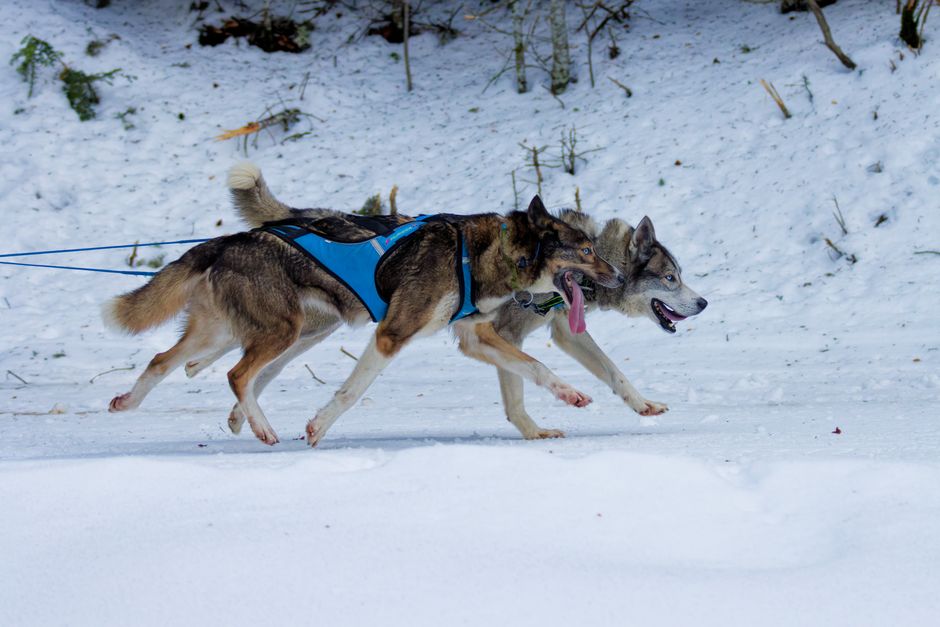
To train a Husky not to run away, you must first understand why they do it. Bred to pull sleds over vast distances, Huskies are incredibly athletic and have a strong desire to roam. They are also highly intelligent and independent, often seeing escape as a puzzle to solve. Common triggers include boredom, lack of exercise, separation anxiety, or simply seeing something interesting on the other side of the fence. Recognizing these triggers is the first step in prevention.
Secure Your Environment: Fencing and Boundaries
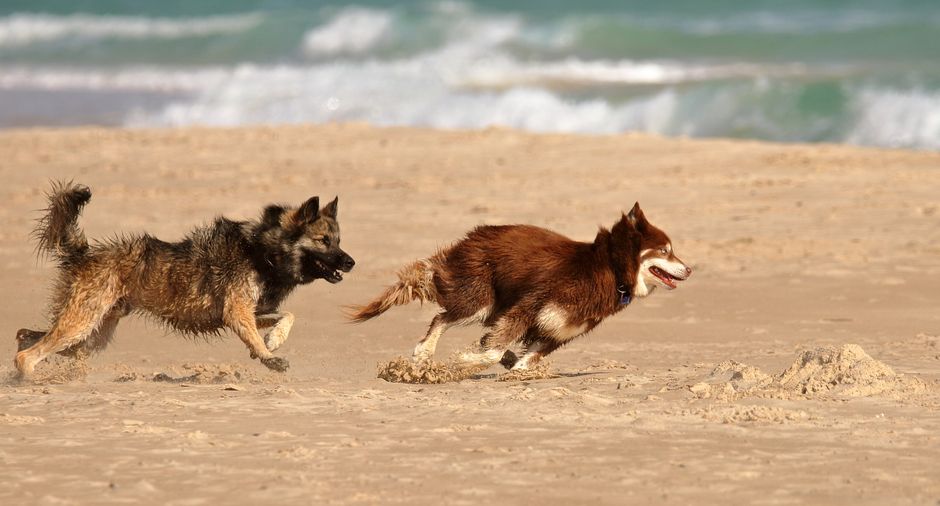
Before any training begins, ensure your yard is escape-proof. Huskies are skilled diggers and jumpers. Your fence should be at least 6 feet high and buried underground or have an L-footer to prevent digging. Check for gaps or loose boards regularly. Consider adding a coyote roller or an angled extension at the top to deter climbing. Never leave your Husky unsupervised in an unsecured area.
Essential Training Commands: Recall and Stay
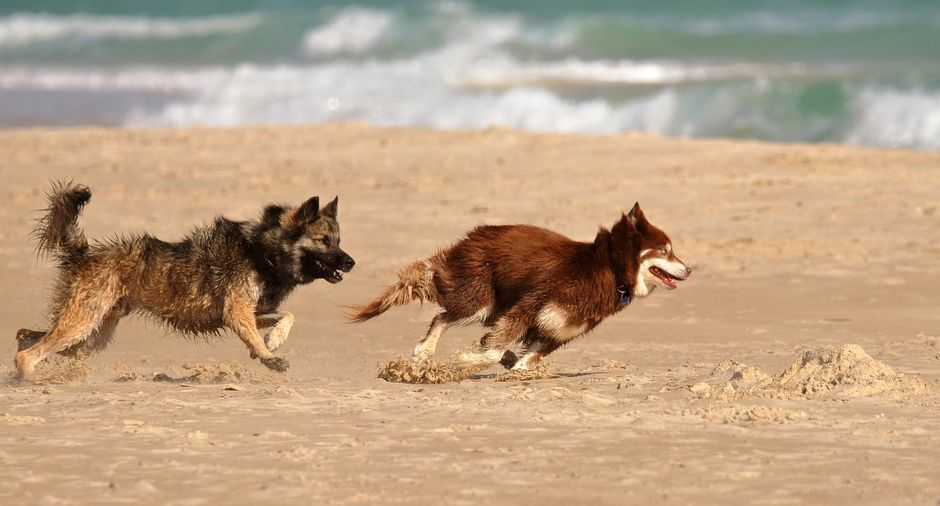
Reliable recall (coming when called) is crucial for any off-leash safety. Start in a low-distraction environment indoors. Use high-value treats like chicken or cheese. Say your dog's name followed by "come" and reward immediately when they reach you. Gradually increase distance and add distractions. Practice the "stay" command as well, rewarding calm behavior. Never punish your Husky for not coming—it should always be a positive experience.
Proofing Recall in Different Environments
Once your Husky reliably comes indoors, move to a fenced yard, then to a long leash in a quiet park. Work up to off-leash in secure areas. Use a 30-foot training leash to provide freedom while maintaining control. Always reward generously when they choose to return to you.
Leash Training and Harnessing
Many Huskies pull on leash, which can lead to escapes. Invest in a well-fitted harness (like a front-clip or no-pull harness) to give you better control. Teach loose-leash walking using positive reinforcement. If your Husky pulls, stop and wait until they return to your side before moving forward. This teaches them that pulling slows them down.
Physical and Mental Exercise: Key to Contentment
A tired Husky is less likely to seek adventure. Aim for at least 1-2 hours of vigorous exercise daily—running, hiking, biking, or pulling a wagon. Mental stimulation is equally important. Use puzzle toys, nose work, obedience training, or agility. A stimulated Husky sleeps better and has less urge to escape.
Positive Reinforcement: Building Trust
Never use harsh corrections on a Husky. They respond best to positive reinforcement. Clicker training can be very effective. Reward every small behavior you want to see—sitting at the door, staying in the yard, coming when called. Build a strong bond based on trust. Your Husky should see you as the source of all good things, making them less likely to want to leave.
Preventing and Managing Escape Attempts
If your Husky does escape, never chase them—they'll think it's a game. Instead, call them and run the opposite direction, or squat down with a treat or toy. Use a whistle or a specific recall word that stands out. After they return, calmly praise and reward. Note the circumstances of the escape to improve future prevention.
Useful Tools and Gadgets
Consider a GPS tracker for your Husky's collar (like Whistle or Fi) to locate them quickly if they get out. A properly fitted martingale collar or a harness with a D-ring on the front can help prevent slipping out. Some owners use pet cameras to monitor their Husky in the yard. However, these tools are aids, not substitutes for training.
| Tool | Purpose | Recommendation |
|---|---|---|
| GPS Tracker | Track location if lost | Durable, waterproof, long battery |
| Martingale Collar | Prevent slipping out | Correct fit; not for unattended wear |
| No-Pull Harness | Better control during walks | Front clip preferred |
Common Mistakes to Avoid
- Leaving your Husky unattended in an unsecured yard.
- Using retractable leashes—they give too much freedom and can break.
- Punishing your Husky for escaping—this increases fear and may worsen behavior.
- Inconsistent training—Huskies need clear, repeated rules.
- Underestimating their intelligence: always be one step ahead.
Conclusion: Consistency is Key
Training a Husky not to run away requires patience, consistency, and understanding of their nature. Combine a secure environment with solid recall training, plenty of exercise, and positive reinforcement. Every Husky can learn to stay safe and close to home. Start today, and you'll build a trusting relationship that lasts a lifetime.