Why Treat-Based Training Works for Huskies
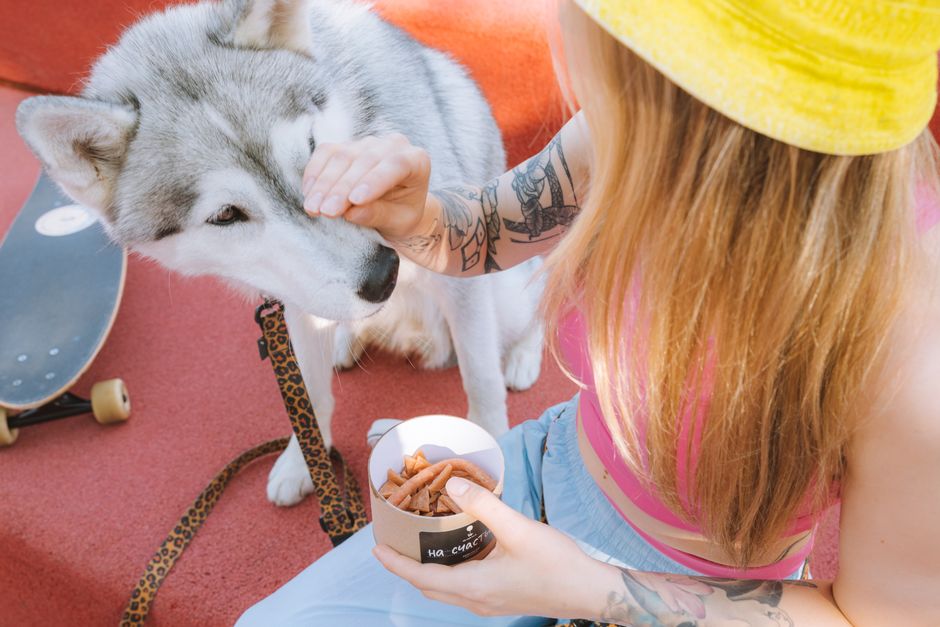
Siberian Huskies are intelligent, independent, and often stubborn. Positive reinforcement with high-value treats taps into their food motivation, making training sessions productive and enjoyable. Treats create a clear reward system that encourages repetition of desired behaviors. Compared to punitive methods, treat training builds trust and strengthens your bond.
Choosing the Right Treats for Your Husky
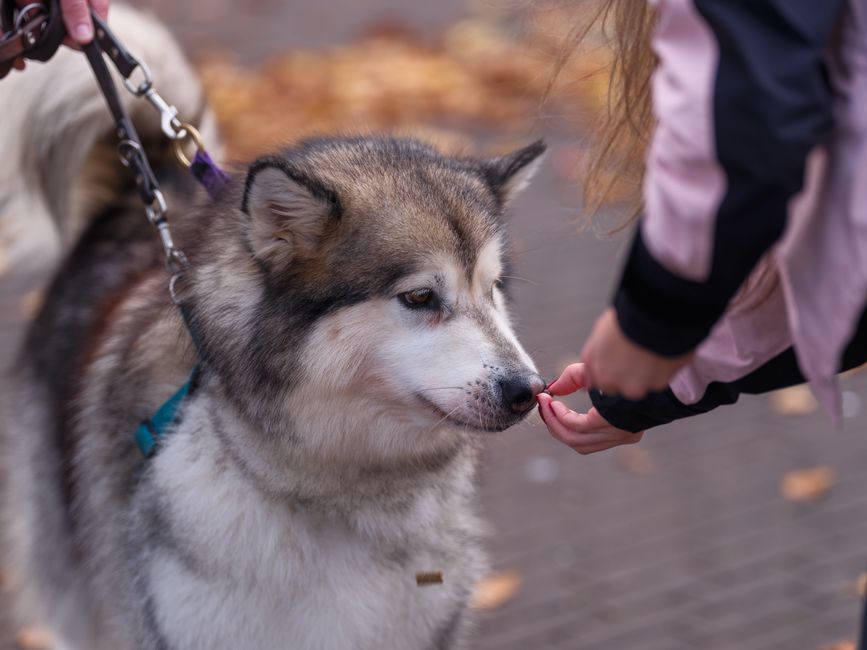
Criteria for Effective Training Treats
- Soft and chewy: Easily consumed quickly so training flow isn’t broken.
- Strong aroma: Inexpensive liver-based or fish-based treats work best.
- Small size: Pea-sized pieces prevent overfeeding during sessions.
- High value: Reserved exclusively for training, not everyday snacks.
| Treat Type | Pros | Cons |
|---|---|---|
| Commercial training treats | Convenient, consistent size | May contain fillers |
| Freeze-dried liver | High value, single ingredient | Can be crumbly |
| Boiled chicken | Irresistible, lean protein | Perishable, need prep |
| Cheese cubes | Soft, easy to portion | High fat, lactose risk |
Basic Obedience Commands Using Treats
Setting Up for Success
Start training in a low-distraction environment. Keep sessions short (5–10 minutes). Hold a treat in your closed fist, let your husky sniff it, then mark the desired behavior with a clicker or verbal marker like “Yes!” and reward immediately.
“Sit” Command
- Hold a treat near your husky’s nose.
- Slowly lift the treat upward and slightly backward over their head.
- As their head follows, their rear will naturally lower into a sit.
- Mark and reward the moment their bottom touches the ground.
“Down” Command
- Ask your husky to sit.
- Move a treat from their nose straight down to the ground between their paws.
- Lure them into a lying position; if needed, gently guide elbows.
- Mark and reward when fully down.
“Stay” Command
- Ask your husky to sit.
- Open palm in front of their face, say “Stay”, then take one step back.
- If they remain, return immediately and reward. Gradually increase distance.
Advanced Training Techniques
Loose Leash Walking
Huskies are pullers. Use a treat-holding hand at your side. Walk forward; if they walk next to you without tension, mark and reward. If they lunge, stop and wait for slack, then reward. Practice in short, frequent sessions.
Recall Training
Indoors, say “Come” in a happy tone, show a treat, and reward when they reach you. Progress to longer distances and outdoor distractions. Never scold after recall – always reward.
Troubleshooting Common Issues
Treat-Induced Biting
If your husky nips fingers, place treats on a flat palm or use a spoon with peanut butter. Avoid teasing with treats.
Loss of Interest
Rotate treats often. Use a variety pack. If they refuse treats, they might be stressed, overfull, or the treat isn’t high-value enough.
Overdependency on Treats
Gradually introduce intermittent reinforcement. Reward only every second or third correct response. Use life rewards like play or praise to replace treats for simple commands.
Treat Alternatives and Weaning Off
To avoid treat dependency, mix in verbal praise, petting, or a game of tug. Once a behavior is reliable, reward with treats only 50% of the time. For Huskies especially, incorporating high-energy play as a reward can be very effective.
Safety and Health Considerations
Treats should not exceed 10% of daily caloric intake. Choose low-calorie options for overweight dogs. Avoid toxic foods like chocolate, xylitol, or raisins. Monitor for allergies – common signs are itching or digestive upset.
Conclusion
Treat-based training is one of the most effective ways to teach your Siberian Husky. The key is to use high-value, small, and safe treats while being consistent and patient. With time, your husky will learn commands eagerly, strengthening your partnership. Remember, treat training is not bribery – it’s a clear communication tool that sets your husky up for success.