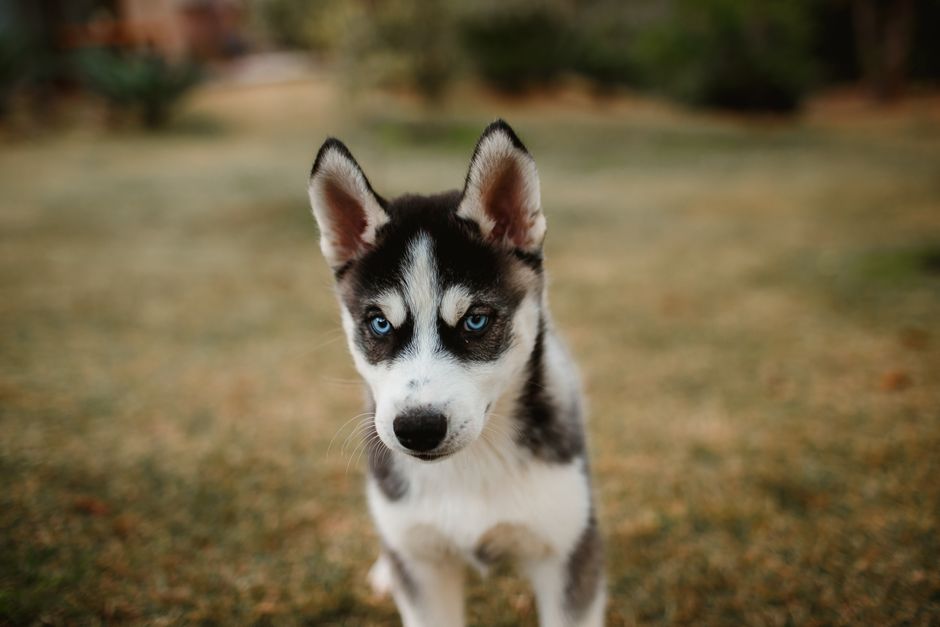
Why Punishment-Free Training Works Best for Siberian Huskies
Siberian Huskies are intelligent, independent, and sensitive dogs. Punishment-based methods can damage the trust between you and your husky, leading to fear, anxiety, and even aggression. Instead, force-free training builds a strong bond and encourages your husky to want to cooperate. This guide will show you how to train your husky effectively using positive reinforcement, management, and clear communication — all without harsh corrections.
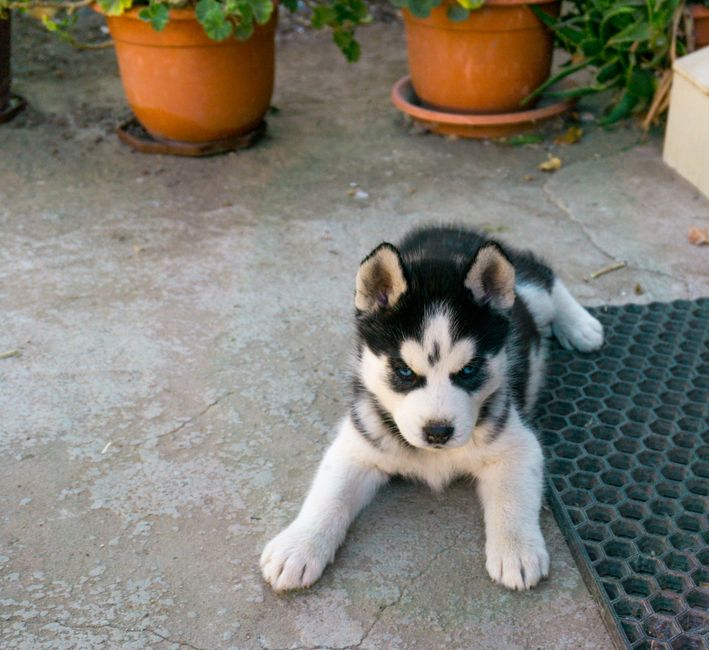
Understanding the Husky Mindset
Huskies were bred to think for themselves. They are pack-oriented but also have a stubborn streak. Punishment often backfires because it creates a negative association with you, rather than teaching the right behavior. Instead, focus on motivation. What does your husky value? Food, play, freedom? Use those as rewards.
Remember, a husky’s natural instincts include pulling, digging, and howling. Punishing these instincts is ineffective; instead, redirect them to acceptable outlets.
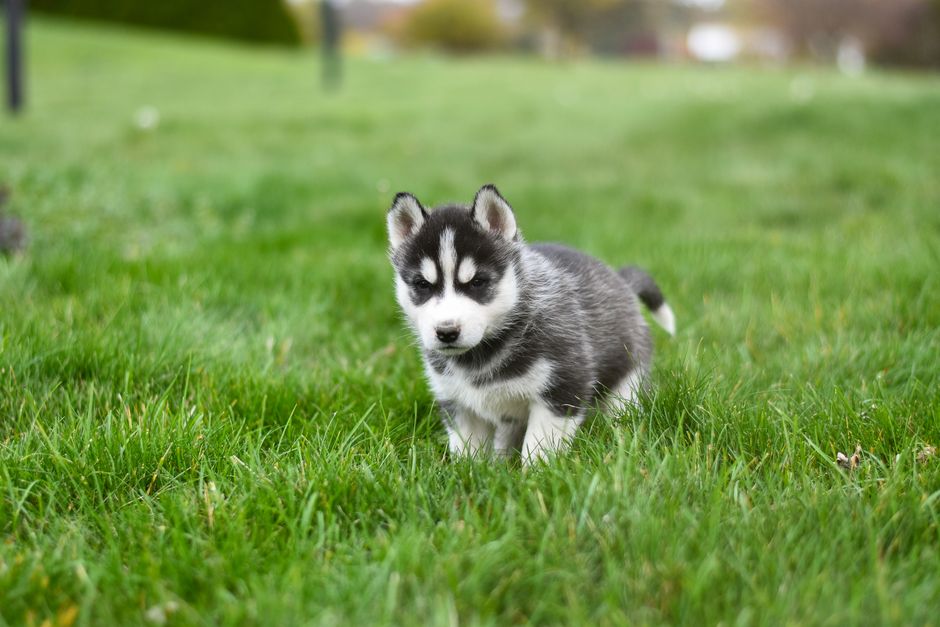
Foundations of Punishment-Free Training
1. Use High-Value Rewards
Find what your husky loves most — small pieces of cheese, cooked chicken, or a favorite toy. These become your training currency. Reward immediately after the desired behavior.
2. Set Your Dog Up for Success
Manage the environment to prevent unwanted behaviors. If your husky chews shoes, keep shoes in a closet. Use baby gates, crate time, and supervision to avoid rehearsing bad habits.
3. Keep Training Sessions Short and Fun
Huskies have short attention spans. Five to ten minutes per session, multiple times a day, is more effective than one long session. End on a positive note.
Essential Commands Without Punishment
| Command | Training Method |
|---|---|
| “Sit” | Hold a treat near your dog’s nose, then move it over their head. As they look up, their bottom will lower. Mark and reward. |
| “Down” | With your dog in a sit, bring a treat straight down to the ground between their paws. They will follow into a down. Reward. |
| “Come” | Play recall games. Start indoors, use a happy voice, and reward with a party when they come. Never call them for something unpleasant. |
| “Leave it” | Show a treat in your closed fist. Let them sniff, lick, paw. Wait for them to back away, then mark and reward from your other hand. |
Addressing Common Husky Behavior Problems
Pulling on the Leash
Punishment (like yanking the leash) only increases frustration. Instead, stop walking when your husky pulls. When the leash loosens, mark and continue. Use a front-clip harness for extra control. Alternatively, change directions frequently so your husky learns to pay attention.
Digging
Provide a designated digging pit (sandbox) and bury toys or treats. Reward digging in that spot. If they dig elsewhere, calmly redirect them to the pit.
Howling or Excessive Barking
Huskies are vocal. Punishing howling can cause stress. Instead, teach “quiet” by saying “quiet” the moment they stop (even for a second) and reward. Increase duration gradually. Provide mental stimulation to reduce boredom-related noise.
Jumping Up
Ignore the jumping — cross your arms, turn away. Wait for all four paws on the floor, then give attention. Reward calm greetings. Consistency from all family members is key.
Building a Strong Bond Through Trust
Punishment-free training isn’t just about avoiding negative experiences; it’s about creating a positive relationship. Use these techniques:
- Hand-feeding: Builds trust and helps with resource guarding.
- Choice-based training: Let your husky offer behaviors; reward the ones you like.
- Play as a reward: Tug-of-war or fetch can be powerful reinforcers.
- Clicker training: Mark the exact moment of correct behavior.
When to Seek Professional Help
Some behaviors (aggression, extreme fear) require a qualified force-free trainer or veterinary behaviorist. If your husky isn’t responding, don’t resort to punishment — get expert guidance.
Conclusion
Training a Siberian Husky without punishment is not only possible, but it also leads to a happier, more obedient dog and a deeper bond. Patience, consistency, and positive reinforcement are your best tools. Focus on teaching what you want rather than punishing what you don’t. Happy training!