Understanding Crate Anxiety in Siberian Huskies
Crate anxiety is a common issue among Siberian Huskies, a breed known for their independence and high energy. Unlike some dogs that view crates as a safe den, Huskies often associate confinement with restriction, leading to stress, barking, whining, or even destructive behavior. This anxiety stems from their history as sled dogs who thrived in open spaces. Recognizing the signs early—pacing, excessive drooling, or attempts to escape—is crucial for implementing effective training. In this guide, we'll explore proven techniques to transform the crate from a source of fear into a haven for your Husky.
Why Crate Training Matters for Huskies
Crate training offers numerous benefits for both you and your Husky. It aids in housetraining, prevents destructive behavior when unsupervised, provides a safe space during travel or emergencies, and helps manage separation anxiety. For a breed prone to boredom, a properly introduced crate can become a cozy retreat rather than a prison. However, rushing crate training often backfires, especially with stubborn Huskies. Consistency, patience, and positive reinforcement are key.
Step-by-Step Guide to Husky Crate Anxiety Training
Step 1: Choose the Right Crate
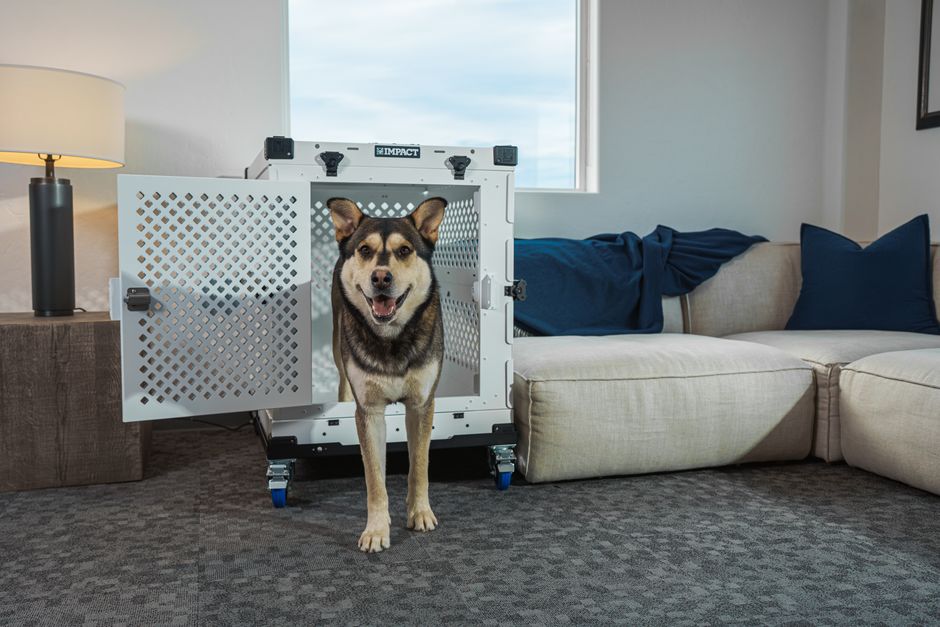
Select a crate that's large enough for your adult Husky to stand, turn around, and lie down comfortably. Wire crates offer better ventilation and visibility, reducing feelings of isolation. Avoid using the crate as punishment—it should always be associated with positive experiences.
Step 2: Create a Positive Association
Start by placing the crate in a high-traffic area with the door open. Toss treats inside and praise your Husky for exploring. Feed meals near the crate, then gradually move the bowl inside. Use high-value rewards like chicken or cheese to build excitement. Never force your dog inside; let them enter voluntarily.
Step 3: Short, Positive Sessions
Begin with the door open and gradually close it for a few seconds while offering treats. Extend the duration slowly—seconds to minutes, then up to 30 minutes. If your Husky shows anxiety, shorten the time. Reward calm behavior and ignore whining (unless it's excessive). Use a command like “crate” or “kennel” when they enter.
Step 4: Introduce Confinement
Once your Husky is comfortable with the door closed, leave the room for short intervals. Start with 1 minute, then return and reward. Gradually increase absence to 5, 10, then 30 minutes. If you hear anxiety (barking, scratching), wait for a moment of silence before returning. Never let them out while whining—it reinforces the behavior.
Step 5: Build Duration and Distraction
Once your Husky can stay calm for 30 minutes, try leaving them in the crate while you're home but doing other tasks. Practice longer periods (1-2 hours) with a frozen Kong or chew toy. For nighttime, place the crate in your bedroom initially, then gradually move it to the desired location.
Common Challenges and Solutions
| Challenge | Solution |
|---|---|
| Whining or barking | Cover the crate with a light blanket to muffle noise; use white noise music. Only reward quiet moments. |
| Escaping or destroying crate | Ensure crate is secure (no loose bars) and large enough. Provide heavy-duty chew toys. If persistent, use a harness and tether inside. |
| Not entering crate voluntarily | Try hiding smelly treats (fish, liver) inside. Use a toy that dispenses food when licked. Never chase or force. |
Using Toys and Enrichment to Combat Anxiety
Mental stimulation is crucial for Huskies. Provide interactive toys that release treats when manipulated, such as puzzle feeders or Kongs stuffed with peanut butter and kibble. Frozen carrots or bully sticks can keep them occupied for hours. Rotate toys to prevent boredom. Additionally, exercise your Husky thoroughly before crate time—a tired dog is less likely to be anxious. A 30-minute run or vigorous play session can work wonders.
Feeding Schedule and Crate Routine
Establish a predictable routine: meals, walks, and crate time at consistent times. Feed high-quality food appropriate for your Husky's age and activity level. Offer water in the crate but remove it an hour before bed to prevent accidents. Gradually adjust feeding times so your Husky is not full or hungry when crated. A satisfied belly reduces stress.
When to Seek Professional Help
If your Husky's crate anxiety leads to self-injury, extreme distress, or aggression, consult a certified dog behaviorist or your veterinarian. They may recommend anti-anxiety supplements, pheromone diffusers, or a tailored training plan. Remember, every Husky is unique—patience and consistency are your best tools. With time, your Husky can learn to love their crate as a safe haven.
Conclusion
Husky crate anxiety training requires a calm, empathetic approach. By gradually desensitizing your Husky to confinement, rewarding calm behavior, and providing mental stimulation, you can overcome this common hurdle. The key is to never rush and always associate the crate with positive outcomes. With dedication, your Siberian Husky will view their crate as a peaceful den rather than a source of stress.