Huskies are intelligent, energetic, and independent dogs with a strong pack instinct. Proper socialization is important for ensure they grow into well-mannered, confident adults. This guide covers everything you need to know about husky socialization, from puppyhood through adulthood, with practical tips and detailed explanations.
Why Socialization is Crucial for Huskies
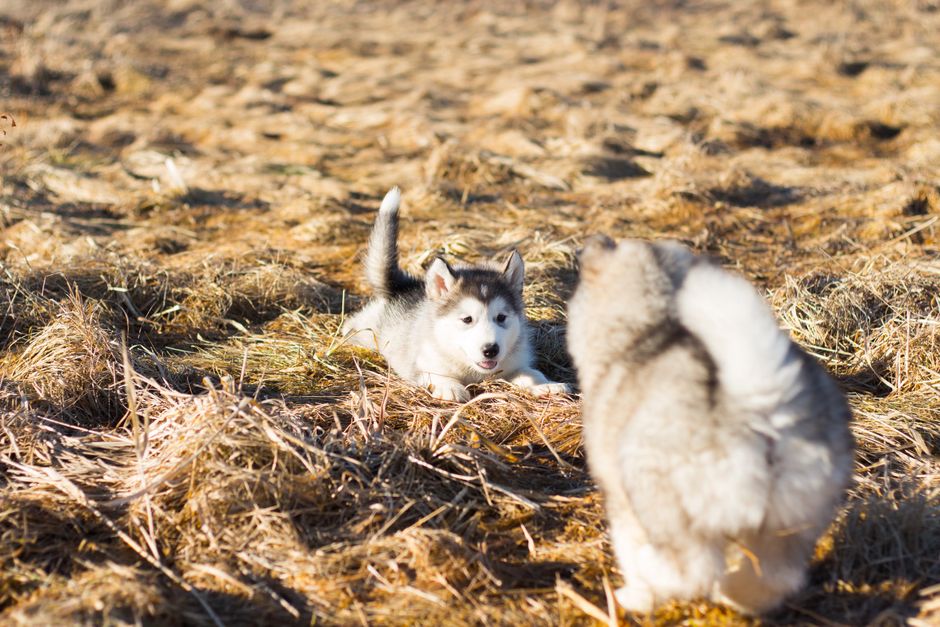
Socialization helps your husky learn to handle the world calmly and confidently. Without it, huskies can become fearful, reactive, or aggressive due to their natural suspicion of strangers and strong prey drive. Early positive experiences reduce anxiety and build trust, making vet visits, walks, and interactions safer and more enjoyable.
Benefits of Proper Socialization
- Reduces fear and anxiety in new situations
- Prevents behavioral issues like aggression and excessive barking
- Strengthens your bond with your husky
- Makes training easier and more effective
- Allows your husky to be a happy, well-adjusted companion
When to Start Socializing Your Husky
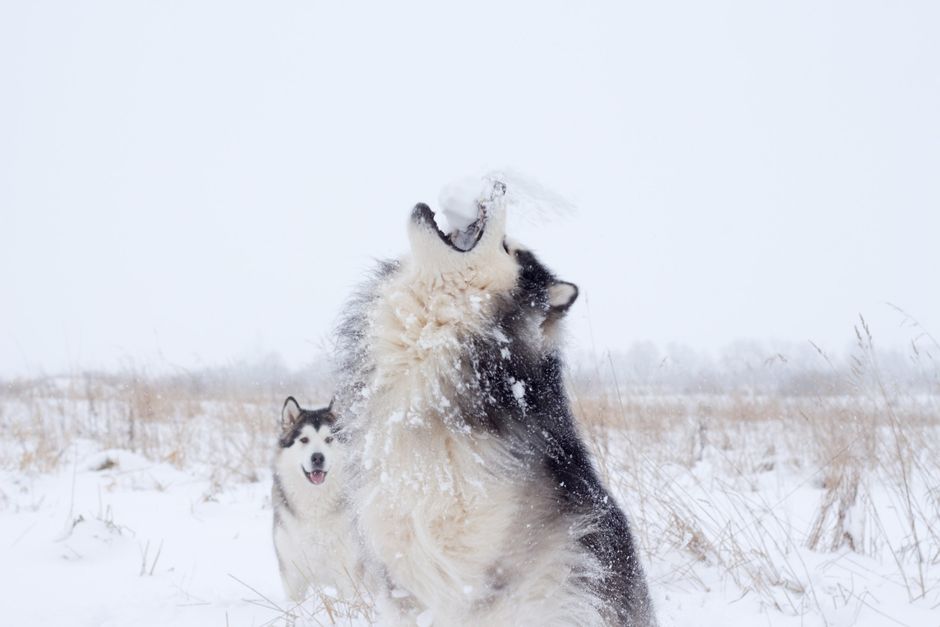
The critical socialization window for puppies is between 3 and 16 weeks of age. During this time, puppies are most receptive to new experiences. However, socialization should continue throughout life. Even adult huskies can learn to accept new things with patience and positive reinforcement.
For puppies, start after their first vaccinations but before full immunity. Carry them in public places or invite vaccinated friends and pets to your home. Always prioritize safety and avoid areas with unknown health risks.
How to Socialize Your Husky
Use positive reinforcement (treats, praise, toys) and go at your husky's pace. Never force interactions. The goal is to create positive associations.
Socializing with People
- Introduce several people: Different ages, genders, ethnicities, and appearances. Ask friends to offer treats calmly.
- Handle exercises: Gently touch your husky's paws, ears, tail, and mouth while rewarding. This prepares him for vet visits and grooming.
- Practice calm greetings: Teach your husky to sit before meeting new people. Reward polite behavior.
Socializing with Other Dogs
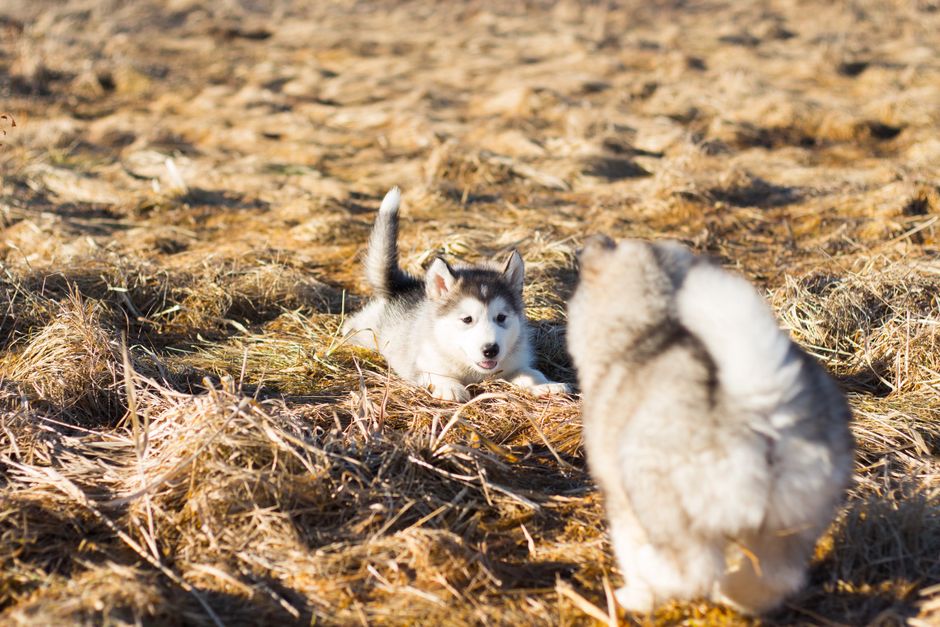
- Start with known, well-balanced dogs: Arrange playdates with calm, vaccinated dogs. Let them sniff and play in safe, neutral areas.
- Attend puppy classes: Supervised group classes teach appropriate play and basic obedience.
- Monitor body language: Watch for signs of stress (lip licking, tucked tail, whale eye). Interrupt and redirect if play becomes too rough.
- Avoid dog parks initially: They can be overwhelming. Once your husky is well-socialized, brief visits can be okay, but always supervise closely.
Socializing with New Environments
- Expose to various sights and sounds: Gradually introduce traffic, vacuum cleaners, thunder, crowds, etc. Use desensitization recordings for loud noises.
- Take short, positive outings: Visit pet stores, cafes, parks, and sidewalks. Keep sessions short and end on a high note.
- Practice handling in different places: Ask your husky to sit or lie down in new spots. Reward calmness.
Common Socialization Challenges
| Challenge | Solution |
|---|---|
| Fear of strangers | Create distance and use high-value treats. Gradually decrease distance as your husky remains calm. |
| Reactivity on leash | Train a strong "look at me" cue. Avoid punishment; instead, redirect attention with treats before he reacts. |
| Aggression toward dogs | Work with a professional trainer. Use muzzle training for safety. Manage environment carefully. |
| Prey drive toward small animals | Practice recall and impulse control games. Never allow off-leash in unfenced areas. |
Socialization Tips for Adult Huskies
Adult huskies can still learn, but it takes more time and patience. Start with low-stress environments. Use high-value rewards and avoid flooding (too much too soon). Consider a "decompression walk" in a quiet area. If your adult husky has a history of trauma, consult a behaviorist.
Key Strategies for Adults
- Build confidence: Use confidence-building activities like trick training or nose work.
- Control the environment: Keep initial interactions brief and positive. Gradually increase difficulty.
- Stay calm: Your husky will pick up on your emotions. Speak in a cheerful, relaxed tone.
A Socialization Checklist
Use this checklist to track your progress. Aim for at least one new experience per day during the critical window.
- Meet 3 new people this week
- Visit a new location (e.g., park, pet store)
- Experience a novel sound (e.g., traffic, children playing)
- Handle paws, ears, and mouth
- Play with a calm, vaccinated dog
- Walk on different surfaces (grass, concrete, gravel)
- Practice calm behavior around unfamiliar objects (umbrella, bicycle)
Remember, socialization is a lifelong journey. Keep exposing your husky to positive experiences, and you'll be rewarded with a happy, balanced companion. For more husky training tips, explore our other guides.