Introduction to Husky Training for Beginners
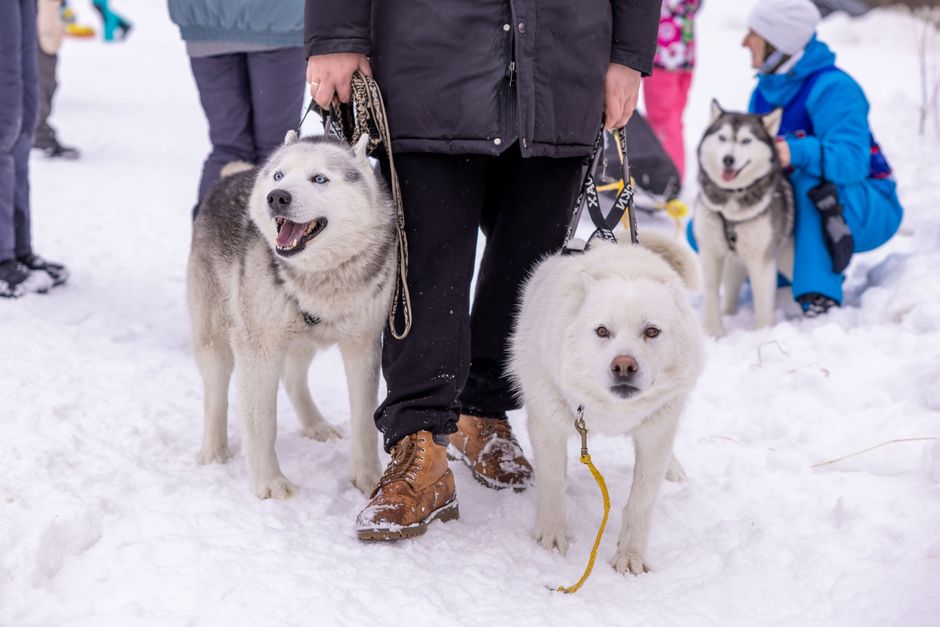
Training a Siberian Husky can be a rewarding experience, but it requires patience, consistency, and an understanding of the breed's unique traits. Huskies are intelligent, energetic, and independent dogs originally bred for sledding. This guide covers essential training techniques for beginners, from basic commands to addressing common behavioral challenges. Whether you have a new puppy or an adult rescue, these tips will help you build a strong bond with your Husky.
Understanding Your Husky's Temperament
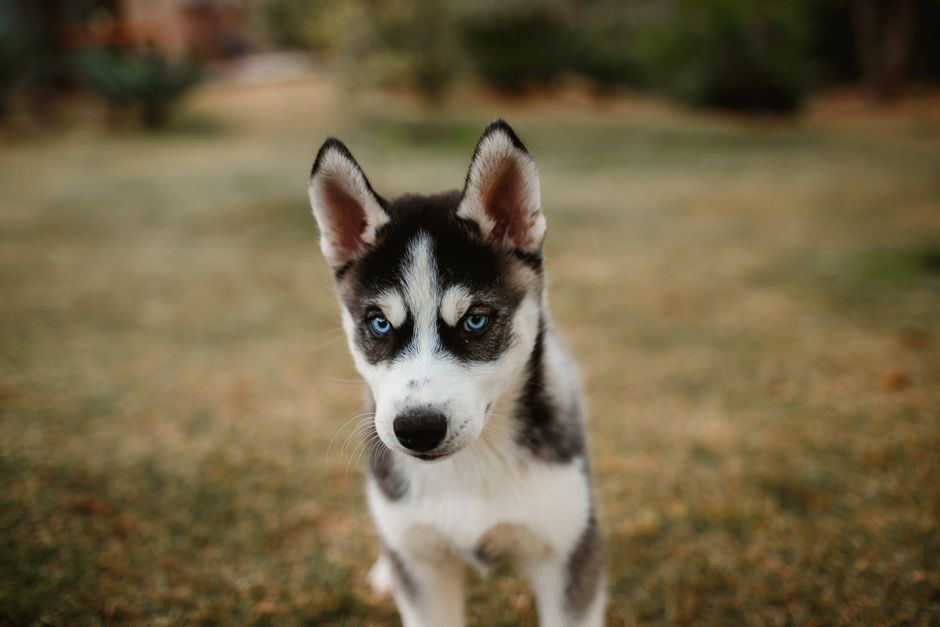
Before diving into training, it's crucial to understand what motivates a Husky. They are pack animals with a strong prey drive and a tendency to be stubborn. Unlike some breeds that aim to please, Huskies often weigh the benefits of following a command. They respond best to positive reinforcement, such as treats, praise, and play. Avoid harsh corrections, as they can lead to fear or aggression. Remember, a tired Husky is a well-behaved Husky. Daily exercise is non-negotiable.

Essential Supplies for Training
- High-value treats: Small, soft, and smelly (e.g., cheese, chicken, or commercial training treats).
- Clicker (optional): Useful for marking desired behaviors.
- Harness rather than collar: Huskies have strong necks; a harness gives you better control and prevents injury.
- Long leash (15-30 feet): For recall training in safe areas.
- Interactive toys and puzzle feeders: To keep their mind engaged.
Basic Obedience Commands
1. Sit
Hold a treat close to your Husky's nose. Move your hand up, allowing their head to follow the treat and causing their bottom to lower. Once they are in a sitting position, say "Sit," give the treat, and praise. Repeat multiple times in short sessions.
2. Stay
Ask your Husky to sit. Open your palm in front of you and say "Stay." Take a few steps back. If they stay, return and reward. Gradually increase distance and duration. If they break the stay, calmly reset.
3. Come (Recall)
Use an enthusiastic tone. Start in a low-distraction area. Crouch down and say your Husky's name followed by "Come!" while showing a treat. When they come, reward lavishly. Never punish a Husky for coming to you, even if they took their time.
4. Leave It
Place a treat in your closed fist. Let your Husky sniff. They may lick or paw. The moment they stop, say "Yes!" and give a treat from your other hand. Progress to placing a treat on the floor under your foot, then without cover. This command is crucial for safety, especially with their prey drive.
Leash Training: Teaching Loose-Leash Walking
Huskies are natural pullers. To teach loose-leash walking:
- Use a front-clip harness or head halter if needed.
- Stop walking the moment your Husky pulls. Stand still until the leash loosens.
- When they return to your side, offer a treat and continue.
- Practice in quiet areas before adding distractions.
- Be consistent; do not allow pulling even when in a hurry.
Crate Training for Huskies
Crate training provides a safe den and aids in housebreaking. Make the crate comfortable with bedding and toys. Feed meals inside the crate with the door open initially. Gradually close the door for short periods while you are home. Never use the crate as punishment. A well-crated Husky is less likely to develop separation anxiety.
Addressing Common Husky Behaviors
Digging
Huskies dig to create cool spots or out of boredom. Provide a designated digging area (e.g., a sandbox) and reward digging there. Increase exercise and mental stimulation to reduce the urge to dig elsewhere.
Howling and Vocalization
Huskies are known for their vocalizations. Ignore attention-seeking howls; reward quiet moments. Teach a "Quiet" command by saying it when they stop barking briefly, then treat.
Chewing
Provide plenty of safe chew toys. Keep shoes and other temptations out of reach. If caught chewing something inappropriate, redirect to a toy and praise when they take it.
Socialization: Exposing Your Husky Safely
Early socialization (3-16 weeks) is vital. Introduce your Husky puppy to various people, dogs, sounds, and environments in a positive way. Use treats to create good associations. For adult rescues, go slow—let them observe from a distance before approaching. Enroll in puppy classes or group walks to build confidence.
Advanced Training: Mental Stimulation and Tricks
Huskies thrive on mental challenges. Teach tricks like "spin," "shake," or "play dead" using shaping and luring. Use puzzle toys or hide treats around the house for scent work. Consider dog sports like agility or canicross—activities that tap into their natural pulling instinct.
Training Schedule and Consistency
| Age | Training Focus | Time |
|---|---|---|
| 8-16 weeks | Housebreaking, crate, sit, come, socialization | 5-10 min, 3-4 times/day |
| 4-8 months | Stay, leave it, loose-leash, basic manners | 10-15 min, 2-3 times/day |
| 8+ months | Advanced commands, trick, distractions | 15-20 min, 2 times/day |
Keep sessions short and fun. End on a positive note. Consistency across family members is key—use the same commands and rules.
Conclusion
Training a Siberian Husky requires patience, but the bond you build is worth the effort. Focus on positive reinforcement, provide plenty of exercise and mental stimulation, and be consistent. Every Husky is an individual—adapt techniques to fit your dog's personality. With time and dedication, you'll have a well-mannered companion who respects you without losing their spirited nature. Start today, and enjoy the journey of training your Husky!