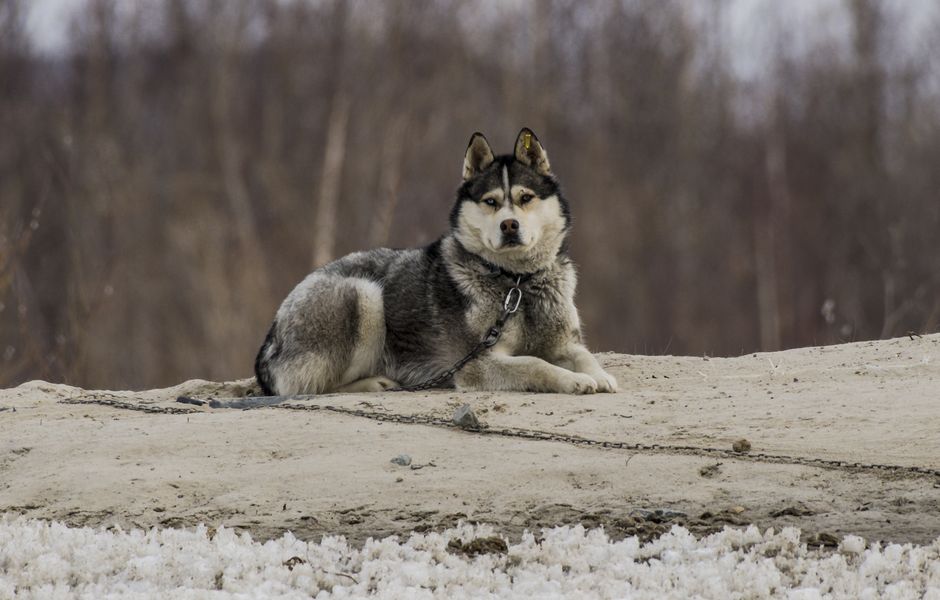
Why the Down Command is Crucial for Your Husky
Teaching your Siberian Husky the "down" command is more than just a party trick. This fundamental cue promotes calm behavior, helps manage impulsive tendencies, and is important for safety in various situations. Huskies are independent, intelligent, and often stubborn, making training a unique challenge. The down command can prevent jumping on guests, stop lunging on walks, and provide a foundation for advanced obedience.
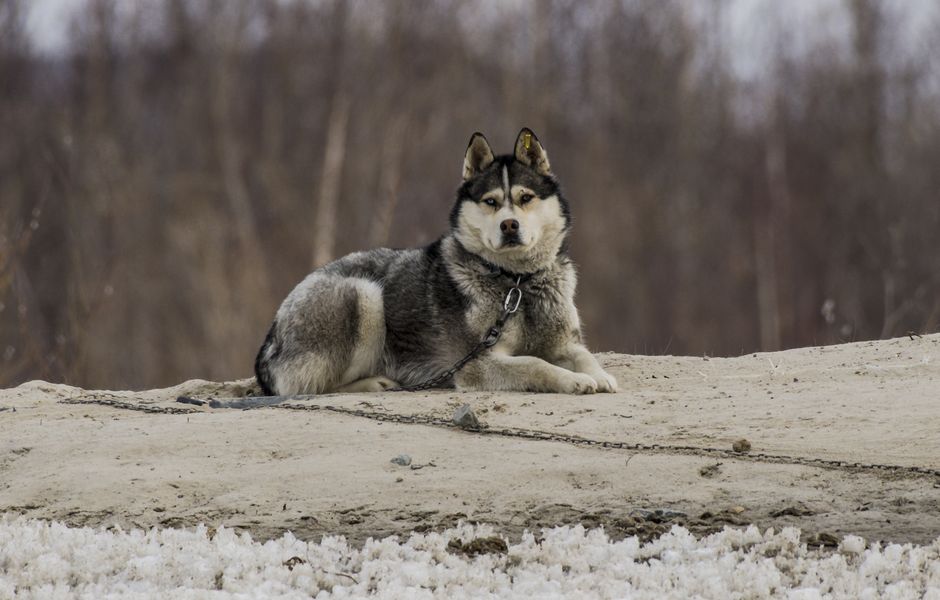
Preparing for Training: Tools and Environment
Essential Equipment
- High-value treats: Small, soft, and smelly (e.g., cheese, hot dog pieces, liverwurst).
- Clicker (optional but effective for marking behavior).
- A quiet, distraction-free area indoors.
- Comfortable flooring (carpet or rug is preferred to avoid slipping).
Pre-Training Mindset
Before starting, ensure your Husky is not overly excited or tired. A slightly hungry dog is more motivated. Keep training sessions short (5–10 minutes) to match their attention span. Use a calm, upbeat voice and be patient—Huskies respond better to positive reinforcement than force.
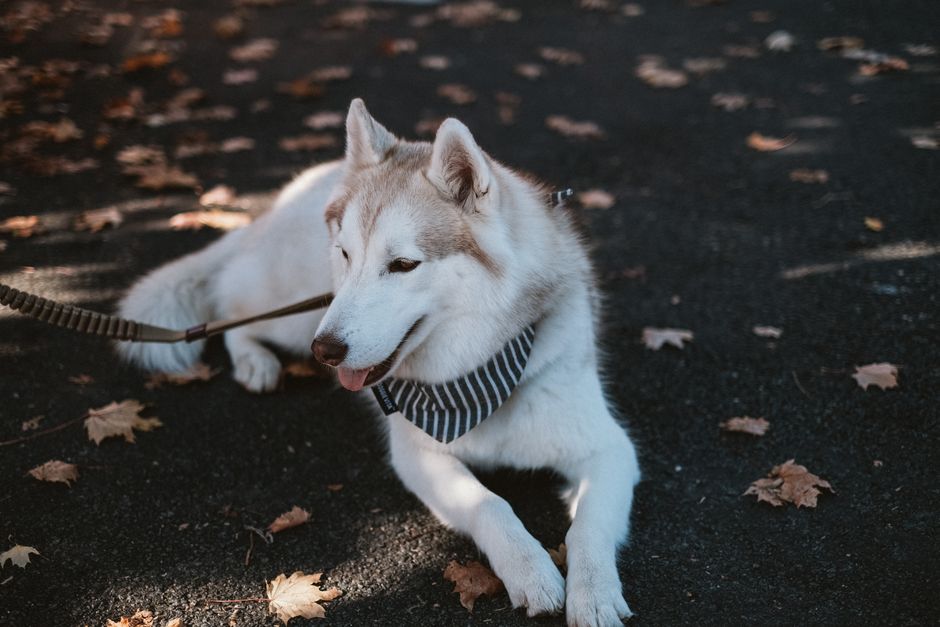
Step-by-Step Guide to Teach "Down"
Method 1: Luring (Easiest for Beginners)
- Start with your Husky in a sitting position.
- Hold a treat close to their nose, then slowly lower it straight down between their paws to the floor.
- As they follow the treat, their front elbows will touch the ground. Say "Yes!" or click, and give the treat while they are down.
- Repeat several times. Once they reliably follow the lure, add the verbal cue "down" just before the movement.
- Gradually phase out the lure by using an empty hand signal (palm flat, moving down). Reward from your other hand.
Method 2: Capture (For Naturally Lying Down)
Wait for your Husky to lie down on their own. Immediately mark with a click or "Yes!" and reward. After a few repetitions, introduce the word "down" as they are in the motion. This method works well for dogs that already lie down frequently.
Method 3: Shaping with a Target
Place a mat or low object on the floor. Encourage your dog to lie on it by moving a treat around the mat. Reward any part of the down movement, eventually requiring full contact with elbows and hips. This builds a strong association with the down position.
Common Husky Challenges and Solutions
| Challenge | Solution |
|---|---|
| Husky refuses to lie down, backs up instead | Use a wall or corner to limit backward movement. Lure under a chair or your leg to encourage lowering. |
| Pops up right after lying down | Reward for staying in down for even one second. Gradually increase duration with a cookie timer. |
| Gets distracted, ignores treats | Increase treat value or move to a quieter, more boring environment. Shorten session length. |
| Husky lies down but then rolls over or moves | Practice on a non-slip surface and reward only when all four paws stay planted. Use a release word like "free" to end. |
Proofing and Generalizing the Down Command
Once your Husky reliably lies down indoors, gradually add distractions:
- Practice in different rooms, then outdoors in a fenced area.
- Ask for a down before meals, before throwing a toy, or at the front door.
- Use a long leash and practice during walks—ask for a down before crossing a street.
- Introduce movement: walk around your dog while they are in down, then reward for staying.
Remember: Huskies are escape artists. Always proof on a leash outdoors until they are rock solid.
Adding Duration and Distance
Duration (Stay)
Start with 1-second downs, then 2, 3, 5, etc. Use a release word like "okay" or "free". Add a hand signal for "stay" (open palm facing dog). Gradually increase time, but also vary the reward pattern to keep them guessing.
Distance
Once your Husky can hold a down for 30 seconds, start taking one step away. Return and reward. Gradually increase steps, then add turns, then go out of sight for a few seconds. Progress slowly—Huskies have a strong prey drive and may bolt.
Troubleshooting: When Your Husky Just Won't Down
If you've been practicing for weeks with no progress, consider these factors:
- Breed tendencies: Some Huskies resist the down because it's a submissive posture. Use a different approach like capturing or shaping rather than luring from a sit.
- Physical discomfort: Check for joint issues or slippery floors. Provide a yoga mat or rug for traction.
- Over-arousal: If your dog is too hyper, try a relaxation protocol or exercise before training.
- Inconsistent cues: Ensure everyone in the family uses the same word and hand signal.
Integrating Down into Daily Life
The down command becomes most powerful when used in real-world scenarios:
- Ask for a down while you prepare their food to teach impulse control.
- Have your Husky down before greeting visitors to prevent jumping.
- Use down to settle in a crate or on a mat while you work from home.
- Practice down at the vet's office to keep them calm.
Advanced Down Applications for Huskies
Down-Stay for Jogging or Biking
Teach your Husky to down and stay as a cyclist or runner passes. This builds reliability in high-distraction environments.
Down as a Default Behavior
If your Husky offers a down when they don't know what to do, it's a sign of a solid foundation. Reward this heavily.
Emergency Down
Train a specific emergency down that means "hit the floor immediately" for dangerous situations. Use a unique word like "flat" and reward with a jackpot.
Final Tips for Successful Husky Training
- End every session on a positive note—finish with an easy command they know.
- Never punish a failed down; instead, simplify the criteria.
- Use high energy rewards after the down to keep sessions fun.
- Huskies are pack-oriented; training strengthens your bond.
- Stay consistent and patient—the down command will serve you for a lifetime.
Mastering the down command takes time, but the payoff is immense. A Husky that can lie down on cue is safer, calmer, and more enjoyable to be around. Start today with the methods above, and soon your independent sled dog will be proudly rocking a down-stay anywhere you go.