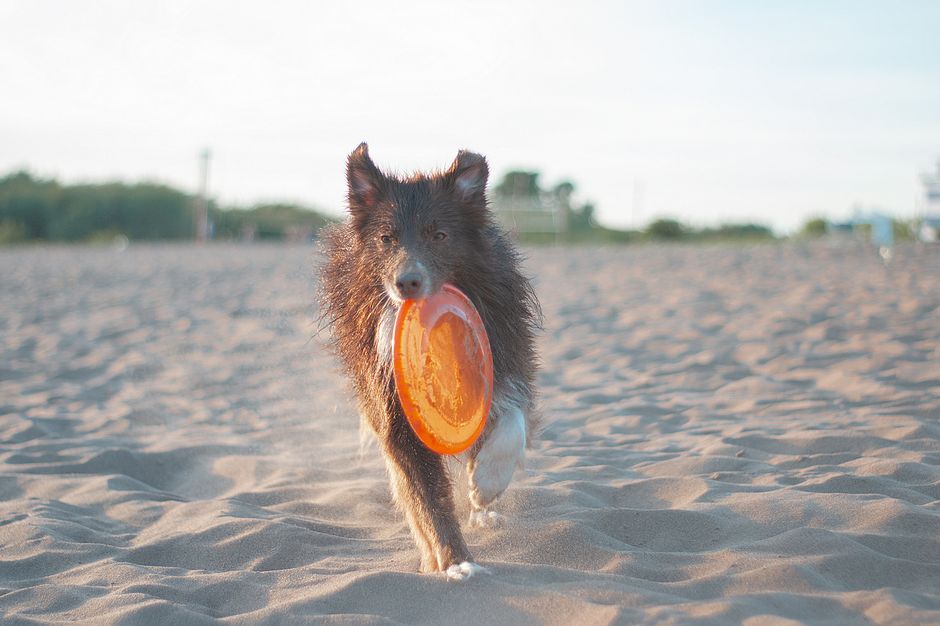
Introduction to Fetch Training for Your Siberian Husky
Fetch training is more than just a game—it’s a powerful tool for exercising your Siberian Husky’s body and mind. Huskies were bred as working dogs, so they thrive on having a job to do. Teaching your Husky to fetch can channel their energy, strengthen your bond, and prevent destructive behaviors. However, due to their independent nature and strong prey drive, fetch training requires patience, consistency, and the right techniques. This guide will walk you through every step, from choosing the perfect toy to troubleshooting common challenges.
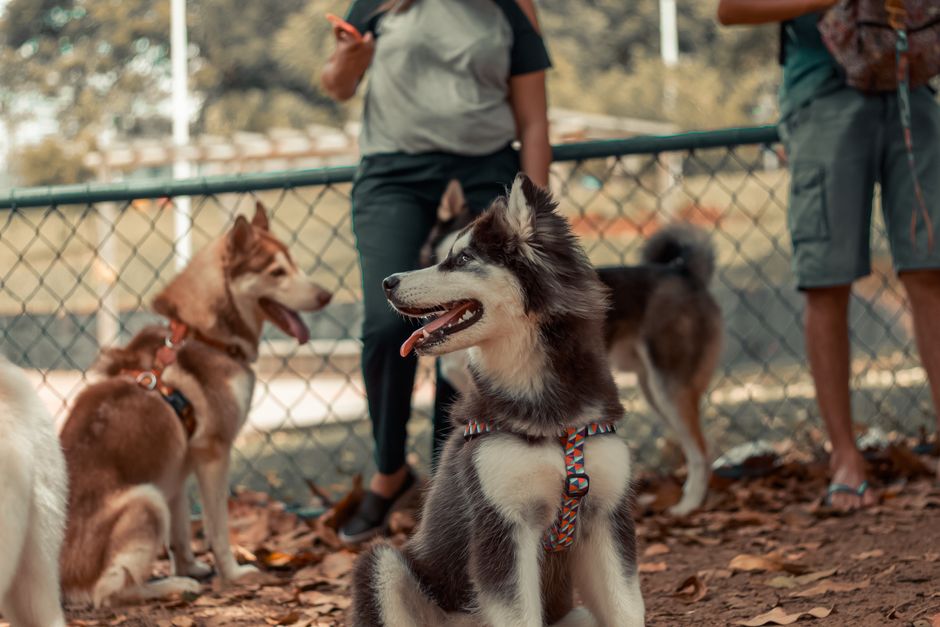
Why Fetch Training Matters for Huskies
Huskies are high-energy, intelligent dogs that need both physical and mental stimulation. A tired Husky is a happy Husky, and fetch provides an excellent outlet for their endless stamina. Here are key benefits:
- Exercise: A good game of fetch can burn off excess energy, reducing hyperactivity and anxiety.
- Mental stimulation: The chase-and-retrieve sequence engages your Husky’s problem-solving skills.
- Bonding: Positive interaction during fetch strengthens the trust and communication between you and your dog.
- Obedience reinforcement: Fetch training naturally incorporates commands like “drop it,” “come,” and “leave it.”
Step 1: Choosing the Right Fetch Toy
Not all toys are created equal for a Husky. Their strong jaws and love for destruction mean you need durable, safe options. Consider these criteria:
| Toy Type | Pros | Cons |
|---|---|---|
| Rubber balls (e.g., Chuckit! Ultra Ball) | Bouncy, easy to clean, tough | Can be chewed apart if left with dog unsupervised |
| Frisbees (soft or hard) | Great for long throws, satisfies chase instinct | Hard to pick up for some dogs; hard discs can injure teeth |
| Rope toys | Good for tug-and-fetch combo, easy to grip | Can fray and be ingested |
| Plush toys (with squeakers) | Satisfies prey drive | Easily destroyed; choking hazard |
Start with a medium-sized, brightly colored toy that floats if you plan to play near water. Avoid anything that resembles a real animal (like a stuffed squirrel) as it may trigger excessive prey drive and make it harder to teach “drop it.”
Step 2: Building Interest in the Toy
Before you can teach fetch, your Husky must value the toy. Use these techniques to create desire:
- Make it move: Huskies are attracted to motion. Drag the toy along the ground, wiggle it, or toss it a short distance to spark chase.
- Squeak it: If the toy has a squeaker, squeeze it to mimic prey sounds.
- Play tug-of-war first: Many Huskies respond well to tug, so use that as a starter. Tug for a few seconds, then encourage a release and toss the toy.
- Use high-value treats: Initially, let your Husky sniff the treat, then hide it under the toy to create positive association.
Step 3: Teaching the “Fetch” Command
Now it’s time to put it all together. Follow these stages:
Stage 1: The Chase
Start in a low-distraction area like your living room or a fenced yard. Show your Husky the toy, then toss it just a few feet away. As soon as they move toward it, say “Fetch!” in an excited tone. Let them grab it—don’t force a return yet.
Stage 2: The Return
This is often the hardest part for Huskies. Use a long leash (15-30 feet) to gently guide them back to you. Crouch down, clap your hands, and use a happy voice saying “Come!” or “Bring it!” When they approach, offer a treat from your hand while holding the toy. If they drop the toy, immediately mark with “Yes!” and give the treat. Gradually reduce the treat frequency as they understand.
Stage 3: The “Drop It” Cue
Hold a high-value treat near your Husky’s nose while they have the toy. As they release to eat the treat, say “Drop it.” After many repetitions, they will drop the toy on command without a treat every time. Then you can toss it again.
Step 4: Common Fetch Issues and Solutions
Huskies are independent thinkers, so you may encounter these challenges:
| Problem | Solution |
|---|---|
| Dog chases but doesn’t return (run-away game) | Use a long leash to prevent escape; always call them back before they lose interest; do not chase them. |
| Dog brings toy but won’t let go | Trade for a treat or a second toy; practice “drop it” separately. |
| Dog gets bored quickly | Keep sessions short (5-10 minutes); vary the toy; incorporate obedience commands between throws. |
| Dog is fixated on the toy but ignores you | Use a high-value reward (real meat) to build value in the interaction; always release the dog from command before throwing again. |
Step 5: Advanced Fetch Games
Once your Husky reliably fetches, add variety to keep it exciting:
- Fetch with a Disc: Use a soft flying disc to satisfy their sight and chase instincts. Start with short, low throws.
- Water Fetch: If your Husky likes water, throw a floating toy into a safe area (lake, pool). Always supervise.
- Obstacle Fetch: Set up small jumps or tunnels for your Husky to navigate on the way to the toy.
- Two-Toy Fetch: Throw one toy, call your Husky back, and show a second toy to encourage an immediate return.
- Hide-and-Seek Fetch: Hide the toy in a room or yard, then send your Husky to find it.
Safety Tips for Fetch Training
Protect your Husky’s health during play:
- Avoid throwing toys too high or far on hard surfaces to prevent joint stress.
- Use non-toxic, durable toys; discard any torn pieces.
- Limit fetch in hot weather—Huskies can overheat easily. Play in early morning or late evening, and provide water breaks.
- Never force a Husky to fetch; if they lose interest, end the session positively.
Conclusion
Fetch training can be a rewarding experience for both you and your Siberian Husky. Remember to be patient—Huskies are not natural retrievers like Labradors, but with consistent practice and positive reinforcement, they can learn to love the game. Keep sessions fun, short, and rewarding. Your Husky will thank you with a wagging tail and a lifetime of play.
Start today, and soon you’ll have a fetching Husky that tires out happily. For more training tips, check out our guides on Husky obedience and mental stimulation exercises.