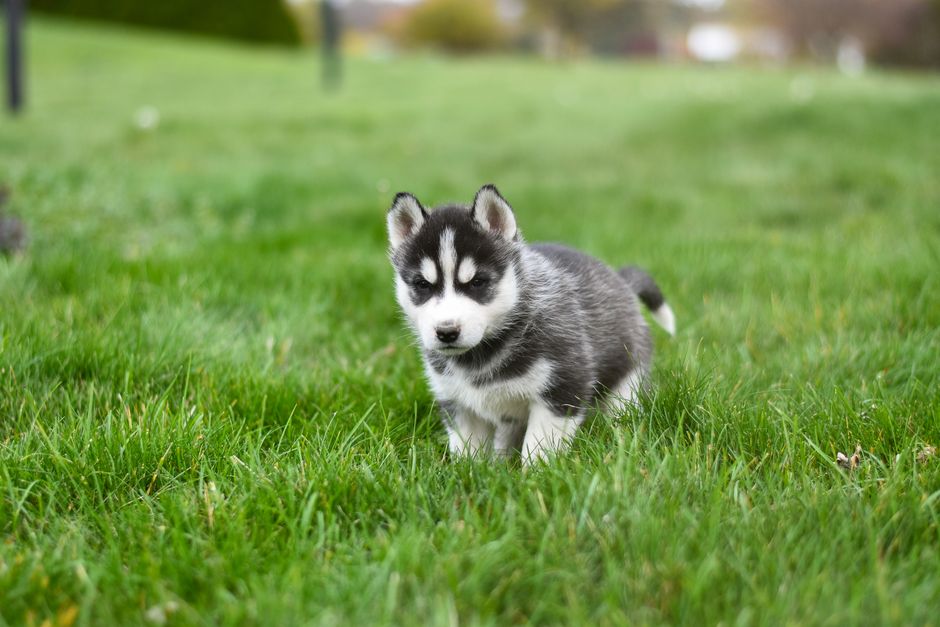
Understanding the Challenges of Apartment Life for a Husky
Siberian Huskies are energetic, intelligent, and independent dogs originally bred to pull sleds across vast Arctic expanses. Living in an apartment presents unique challenges, as Huskies require substantial physical exercise and mental stimulation. Without proper training, they can become destructive, vocal, or anxious. However, with the right approach, you can successfully train your Husky to thrive in an apartment setting.
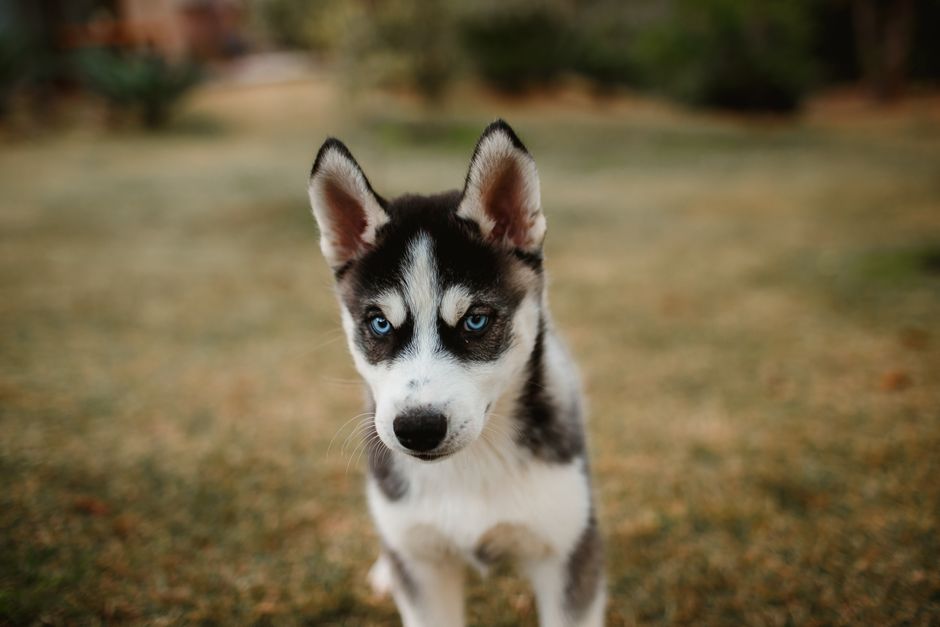
Start with Early Socialization and Desensitization
Begin training as soon as you bring your Husky home. Early socialization helps them become comfortable with apartment noises—elevators, footsteps, doorbells, and traffic. Expose your puppy to these sounds at low volumes, gradually increasing. Use positive reinforcement: treats and praise when they remain calm. Enroll in a puppy socialization class to build confidence around other dogs and people.
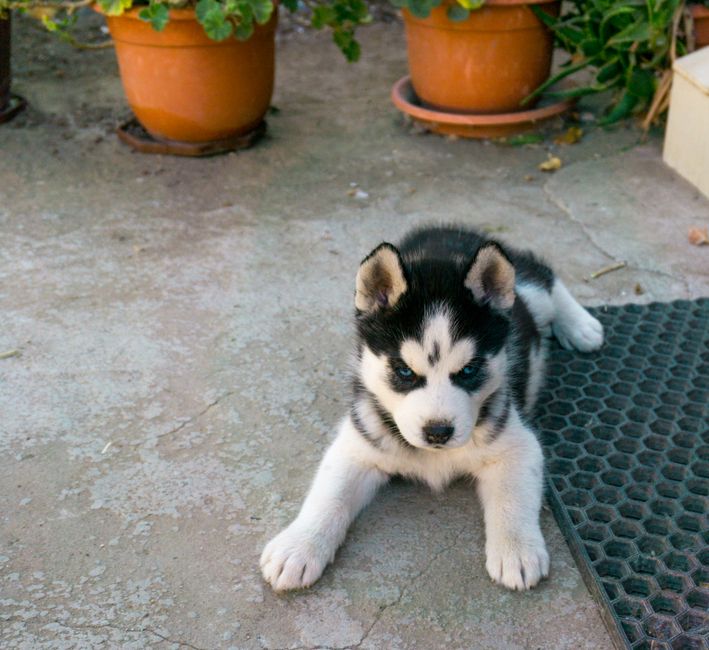
Establish a Consistent Exercise Routine
A tired Husky is a well-behaved Husky. Before any training session, ensure your dog has had sufficient physical activity. Aim for at least 60-90 minutes of exercise daily, split into two or three walks. Incorporate jogging, hiking, or biking. Use a harness for control. For high-energy days, consider doggy daycare or a flirt pole. Remember: a Husky that doesn't burn off energy will find ways to release it—often by chewing furniture or digging at carpets.
Indoor Exercise Options
When weather or space limits outdoor time, use interactive toys like puzzle feeders, treat-dispensing balls, or indoor fetch with soft toys. Teach tricks such as 'spin,' 'play dead,' or 'weave through legs' to engage their mind. A 10-minute session of obedience drills can be as tiring as a 30-minute walk.
Crate Training: Your Husky's Den
Crates provide a safe space for Huskies and prevent destructive behavior when you're away. Choose a crate large enough for them to stand, turn, and lie down. Make it comfortable with a bed and toys. Feed meals inside the crate to create positive associations. Start with short intervals, gradually increasing. Never use the crate as punishment. At night, place the crate in your bedroom so your Husky feels secure.
Potty Training in an Apartment
Potty training a Husky in an apartment requires consistency. Take your puppy out first thing in the morning, after meals, after naps, and every 2-3 hours. Use a designated potty spot outside. Reward immediately with treats and praise. For accidents, clean thoroughly with an enzymatic cleaner. If you live on a high floor, consider using a balcony with fake grass or pee pads as a backup, but transition to outdoor elimination as soon as possible.
Managing Barking and Noise Sensitivity
Huskies are vocal by nature—they howl, whine, and 'talk.' Teach a 'quiet' command: when your Husky barks, say 'quiet' in a calm voice, then reward when they stop. Use a clicker for precision. For noise sensitivity, play recorded apartment sounds at low volume, gradually increasing while rewarding calm behavior. Consider a white noise machine to mask external triggers.
Obedience Training: Foundation Commands
Master basic commands: sit, stay, come, down, and leave it. Use high-value treats (small pieces of chicken or cheese) and short sessions (5-10 minutes) to keep attention. Practice in different apartment rooms to generalize. Use hand signals along with verbal cues. For 'stay,' start with a few seconds, then increase duration. 'Come' should be practiced on a long leash in a hallway. Consistency is key—every family member should use the same commands.
Leash Training for Apartment Hallways
Huskies often pull on leash due to their sledding heritage. Use a front-clip harness to reduce pulling. Teach 'heel' by treating your dog when they walk beside you. Practice in low-distraction areas like your apartment hallway before moving outside. If your Husky pulls, stop walking until the leash slackens. Reward loose-leash walking. Gradually increase distractions.
Mental Enrichment: Prevent Boredom
A bored Husky can become destructive. Provide puzzle toys, snuffle mats, and chew toys (like KONGs stuffed with frozen peanut butter). Rotate toys weekly to keep novelty. Teach scent games: hide treats around the apartment and say 'find it.' Short training sessions three times a day are more effective than one long session. Consider agility or nose work classes—they can be adapted for small spaces.
Handling Separation Anxiety
Huskies are pack animals and may suffer from separation anxiety. Start with brief departures—leave for 5 minutes, then return. Gradually increase time. Give a special toy before you leave. Avoid dramatic goodbyes. Leave a TV or radio on for background noise. If your Husky howls or destroys things when alone, consult a professional trainer or behaviorist.
Creating a Daily Schedule
Huskies thrive on routine. Sample schedule for an adult Husky in an apartment:
| Time | Activity |
|---|---|
| 7:00 AM | Walk & potty (30-45 min) |
| 8:00 AM | Breakfast in crate |
| 12:00 PM | Midday walk (15-20 min) |
| 5:00 PM | Evening walk & play (45-60 min) |
| 7:00 PM | Training session (10 min) |
| 9:00 PM | Final potty break |
Adjust timing based on your work schedule. Consistency helps your Husky know what to expect, reducing anxiety.
Conclusion
Training a Siberian Husky in an apartment requires dedication, patience, and creativity. Prioritize exercise, mental stimulation, and positive reinforcement. With proper training, your Husky can be a calm, happy apartment dweller. Remember, every Husky is an individual; adapt techniques to your dog's personality. If you struggle, don't hesitate to seek help from a professional dog trainer experienced with the breed.