Crate training is an essential skill for any Husky owner. These intelligent, energetic dogs can be destructive when bored or anxious, and a crate provides a safe den-like space that reduces stress, aids in housebreaking, and prevents destructive behaviors. With patience and consistency, you can teach your Husky to love their crate. Here’s how to do it step by step.
Why Crate Training Works for Huskies
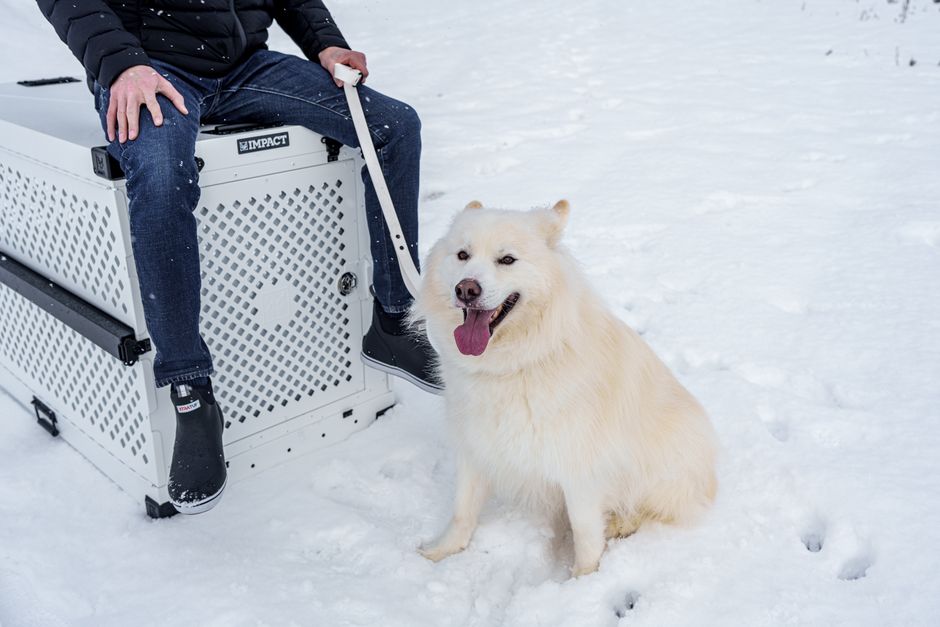
Huskies are den animals by nature. A crate mimics a den, giving them a sense of security. It helps with potty training because dogs instinctively avoid soiling their sleeping area. It also prevents chewing on furniture, shoes, or cords while you're away. Importantly, crate training establishes boundaries and a routine, which Huskies thrive on. However, a crate should never be used as punishment—it should be a positive retreat.
Choosing the Right Crate
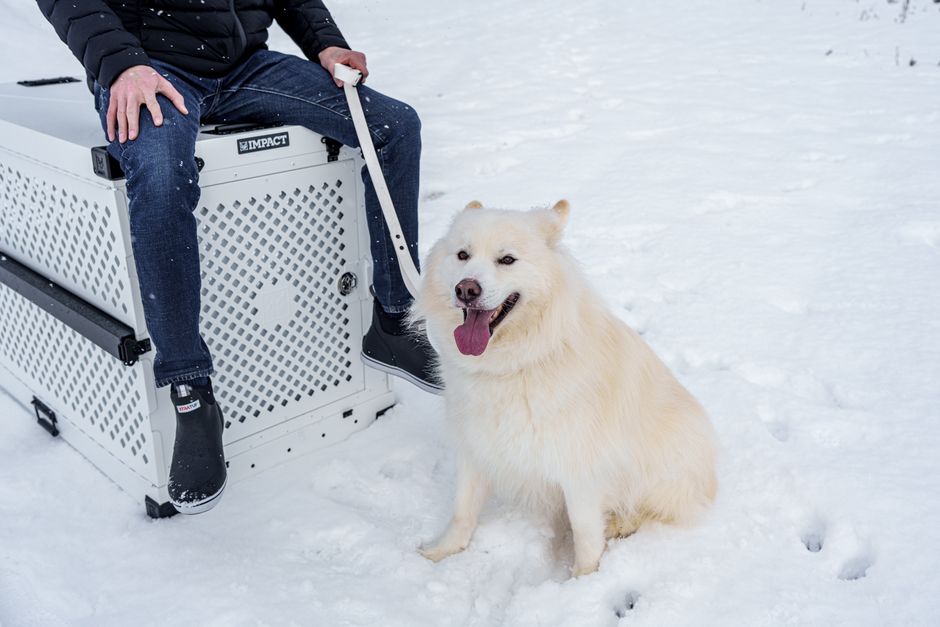
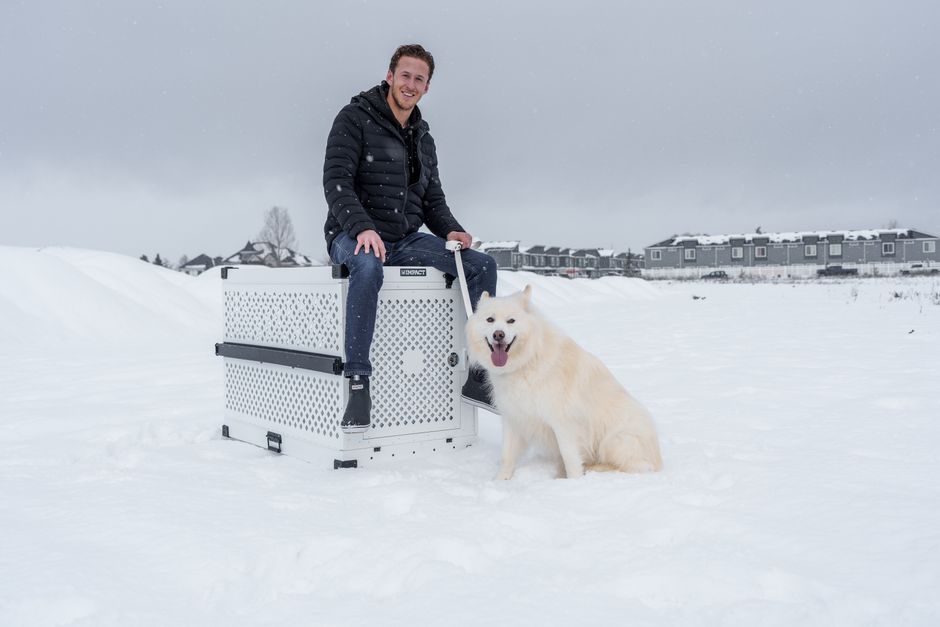
Select a crate that is large enough for your Husky to stand up, turn around, and lie down comfortably. For an adult Husky, a 42-inch crate is typically suitable. If you have a puppy, consider a crate with a divider to adjust the space as they grow. Avoid oversized crates, as they allow your dog to use one corner as a bathroom. Options include wire crates (good for ventilation and visibility), plastic crates (more den-like), or heavy-duty crates for escape artists. Huskies are notorious Houdinis, so ensure the crate is sturdy and has a secure latch.
Step-by-Step Crate Training Process
Step 1: Introduce the Crate as a Positive Space
Place the crate in a common area like the living room. Leave the door open and put soft bedding, a favorite toy, and treats inside. Don't force your Husky in. Encourage them to explore by tossing treats near the entrance. Gradually toss treats farther inside. Praise any interaction. Repeat over several days until your Husky willingly enters.
Step 2: Feed Meals Inside the Crate
Start feeding your Husky their meals near the crate, then move the bowl inside. Initially, keep the door open. Once they are comfortable eating inside, close the door while they eat, but open it as soon as they finish. Gradually increase the time the door is closed after meals—start with 5 minutes, then 10, etc. This builds a positive association.
Step 3: Practice Crate Confinement with Short Periods
When your Husky is comfortable eating with the door closed, begin short confinement sessions. Give a command like "crate" or "kennel" and toss a treat in. Once inside, close the door, give a treat through the bars, and sit nearby. Start with 5 minutes, then release. Gradually increase the time. Stay calm—if your Husky whines, ignore the whining (unless it's distressed). Only open the door when they are quiet.
Step 4: Increase Duration and Distance
Once your Husky can handle 30 minutes with you in the room, start stepping out of sight for short periods. Return and reward calm behavior. Slowly extend the time you're away. Also practice at different times of day to build routine.
Step 5: Nighttime Crate Training
Start with the crate in your bedroom so your Husky feels secure. Make sure they have gone potty right before bed. If they whine at night, take them out for a brief potty break, then return to crate. Do not play or give treats. Usually, within a week, they will sleep through the night.
Common Challenges and Solutions
| Challenge | Solution |
|---|---|
| Whining or barking | Ignore if attention-seeking; if needs potty, take out. Never reward whining by letting out. |
| Refusing to enter | Use high-value treats, make crate more comfortable with a cover, or try a different location. |
| Escape attempts | Ensure latches are secure; consider a heavy-duty crate or zip ties on corners. |
| Soiling crate | Reduce crate size with a divider; ensure frequent potty breaks; clean thoroughly. |
Crate Training Schedule for Husky Puppies
Puppies have small bladders. A general rule: a puppy can hold it for one hour per month of age (e.g., 3-month-old can hold about 3 hours). Never leave a pup in a crate longer than they can hold. Use the following schedule as a guide:
- 8-10 weeks: 30-60 minutes crate time; potty every 2 hours at night.
- 10-12 weeks: 1-2 hours crate time; potty every 3 hours at night.
- 3-4 months: 2-3 hours crate time; night potty once.
- 4-6 months: 3-4 hours; can sleep through night.
- 6+ months: 4-6 hours; adult schedule.
Tips for Success
- Never use the crate for punishment.
- Provide interactive toys like KONGs stuffed with treats to keep them occupied.
- Make sure your Husky gets enough exercise—a tired Husky is more likely to settle in the crate.
- Be consistent with the crate command and routine.
- Covering the crate can create a cozy den, but some Huskies may panic—test it.
- Use calming aids like pheromone sprays or classical music if your Husky is anxious.
When Not to Use a Crate
Do not use a crate all day. Huskies need exercise and social interaction. Maximum crate time for an adult should be 4-6 hours during the day. Never crate a Husky for longer than 8 hours without a break. For separation anxiety, consult a trainer—crating can worsen anxiety if introduced incorrectly.
Conclusion
Crate training a Husky requires patience, but the benefits are immense. A properly crated Husky is a happy, secure, and well-behaved companion. Start slow, stay positive, and soon your Husky will see their crate as the best spot in the house.