Understanding Why Your Husky Barks
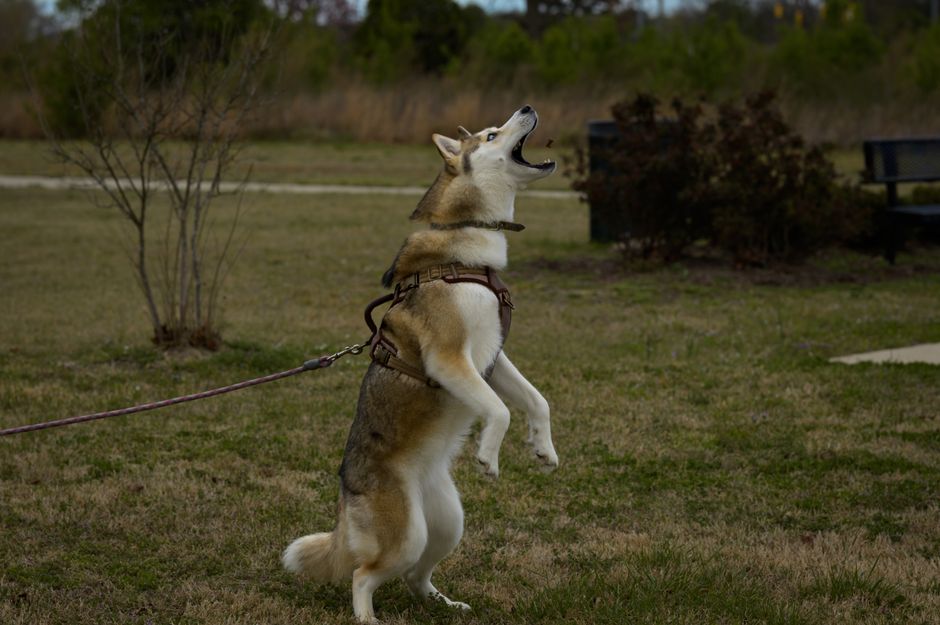
Huskies are vocal dogs by nature. They were bred to communicate over long distances with other dogs and their handlers. Barking is just one of many vocalizations they use—they also howl, whine, and talk. Before you can stop excessive barking, you need to understand why your Husky is barking. Common triggers include:
- Boredom: Huskies are high-energy working dogs. Without enough physical and mental stimulation, they bark out of frustration or pent-up energy.
- Alert/Warning: They bark to alert you to something unusual in their environment—a delivery truck, a squirrel, or a person approaching the house.
- Excitement: Huskies often bark when they’re happy, like when you come home or when it’s time for a walk.
- Anxiety: Separation anxiety is common in Huskies. They may bark excessively when left alone.
- Attention-Seeking: If your Husky learns that barking gets your attention (even negative attention), they’ll use it as a tool.
- Territorial: Like all dogs, Huskies may bark to defend their territory.
Observing when and where your Husky barks will help you choose the right training method.
Effective Training Techniques to Reduce Barking
Positive Reinforcement: Reward Quiet
The most effective way to reduce barking is to reward your Husky for being quiet. Keep small, high-value treats handy. When your Husky is calm and not barking, say “Yes!” and give a treat. Gradually increase the duration of quiet before rewarding. This teaches your dog that silence pays off.
The “Quiet” Command
Teach your Husky a “Quiet” cue. Wait for a barking episode. Once they bark a few times, say “Quiet” in a calm, firm voice. The moment they stop, even for a second, say “Yes!” and treat. Repeat until they associate the word with stopping. Practice in different contexts with increasing distractions.
Desensitization and Counter-Conditioning
If your Husky barks at specific triggers (e.g., doorbell, strangers), desensitize them. Expose your dog to the trigger at a low intensity (e.g., a recording of a doorbell at low volume). Pair the trigger with something positive (treats, play). Gradually increase intensity while maintaining your dog’s calm response. Over time, the trigger will no longer cause barking.
Ignore Attention-Seeking Barking
If your Husky barks for attention, the worst thing you can do is give them attention—even yelling. Instead, completely ignore the barking. Turn your back, leave the room, or do not make eye contact. Wait for a moment of silence, then return and reward. Be consistent; your Husky will learn that barking drives you away.
Provide Adequate Exercise and Mental Stimulation
A tired Husky is a quiet Husky. Aim for at least 60–90 minutes of vigorous exercise daily (running, hiking, fetch). Also incorporate mental stimulation: puzzle toys, obedience training, nose work, or interactive games. Boredom is a major cause of nuisance barking.
Environmental Management
Block Visual Stimuli
If your Husky barks at people or animals passing by windows, block their view. Use opaque window film, blinds, or curtains. You can also apply adhesive window coverings that still let light in but reduce outside visual triggers.
White Noise or Calming Music
Use a white noise machine, fan, or calm dog-specific music to drown out triggering sounds (e.g., neighbors, traffic). This helps reduce alert barking.
Interactive Toys and Puzzles
When you can't supervise your Husky, provide engaging toys: KONGs stuffed with frozen peanut butter, treat-dispensing balls, or puzzle feeders. This keeps their mind occupied and reduces boredom barking.
When to Seek Professional Help
If your Husky’s barking persists despite consistent training, or if it’s accompanied by destructive behavior or signs of severe anxiety, consult a professional dog trainer or a veterinary behaviorist. They can assess underlying issues like separation anxiety or compulsive barking and create a tailored plan. In some cases, anxiety medication may be recommended alongside behavior modification.
Summary Table: Quick Reference for Stopping Husky Barking
| Trigger | Solution |
|---|---|
| Boredom | Increase exercise and mental stimulation; use puzzle toys. |
| Alert barking | Block visual stimuli; use “Quiet” command; desensitize. |
| Attention-seeking | Ignore barking; reward quiet moments. |
| Separation anxiety | Gradual alone training; professional help; calming aids. |
| Excitement | Teach calm greetings; reward calm behavior. |
Stopping a Husky from barking takes patience and consistency. barking is a natural form of communication for this breed. Your goal isn’t to eliminate barking entirely, but to reduce excessive or unwanted barking. With the right techniques, you can enjoy a quieter, happier home while still respecting your Husky’s vocal nature.