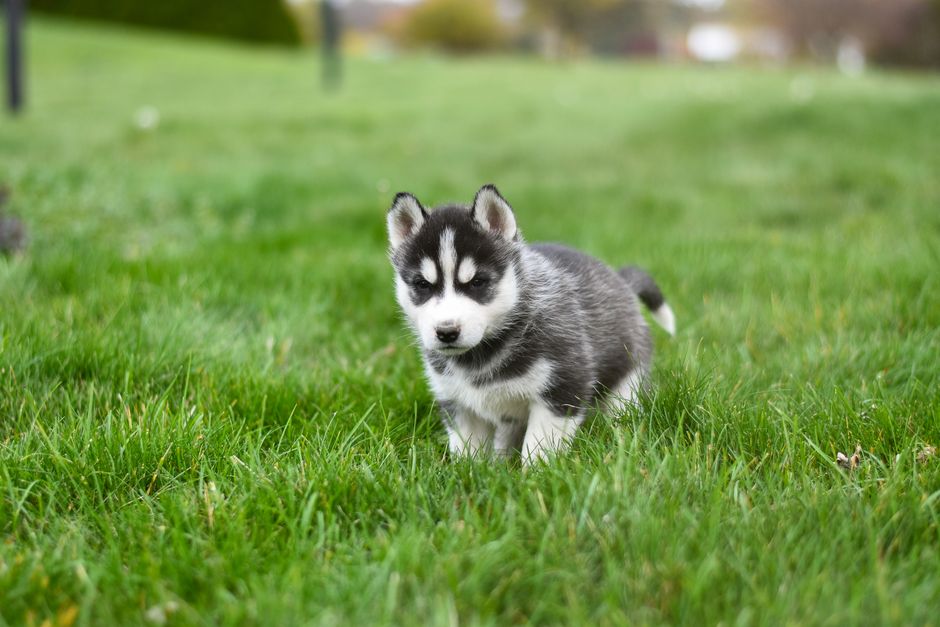
Introduction to Potty Training Your Husky
Potty training a Siberian Husky can be both challenging and rewarding. Huskies are intelligent, independent, and sometimes stubborn, but with consistency and positive reinforcement, you can successfully housebreak your furry friend. This comprehensive guide will walk you through every step, from understanding your Husky's instincts to establishing a foolproof routine. Whether you have a new puppy or an older rescue, these strategies are designed to work with your Husky's unique personality.
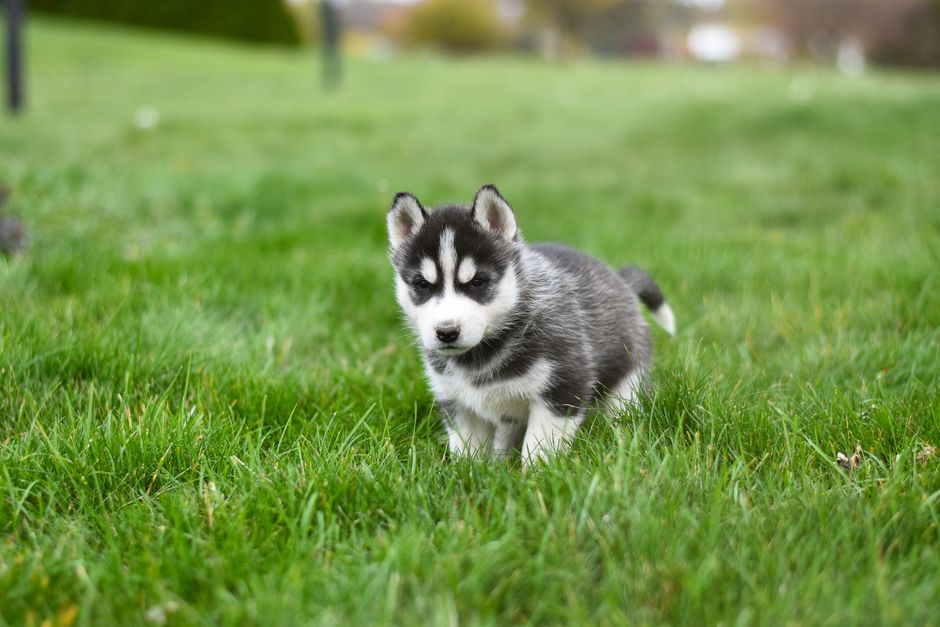
Understanding Husky Behavior and Bladder Control
Huskies were bred for endurance and independence, which means they have strong instincts but also a tendency to push boundaries. Puppies have small bladders and limited control—generally, a puppy can hold it for one hour per month of age (e.g., a 2-month-old can hold it for about 2 hours). Adult Huskies can hold it longer but still need frequent breaks. Understanding these limits is key to preventing accidents.
Huskies are also den animals, which makes them naturally inclined to avoid soiling their sleeping area. This instinct can be leveraged with crate training. However, they are not naturally housebroken; you must teach them where it's appropriate to eliminate.
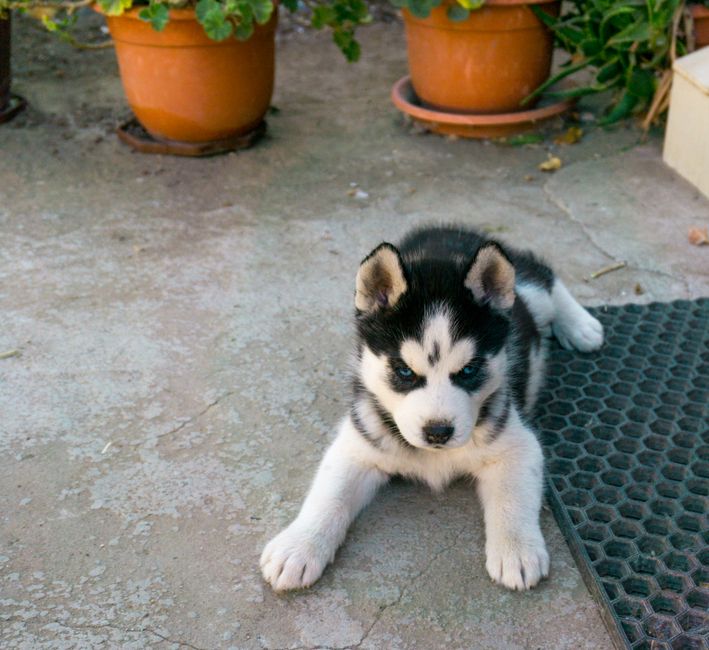
Setting Up a Potty Training Schedule
Consistency is the cornerstone of successful potty training. Create a schedule that matches your Husky's needs and stick to it religiously. Here's a sample schedule for a 8-week-old puppy:
| Time | Activity |
|---|---|
| 6:30 AM | Take out immediately after waking |
| 7:00 AM | Breakfast (then take out 15-20 min later) |
| 8:00 AM | Morning playtime and potty break |
| 10:00 AM | Potty break |
| 12:00 PM | Lunch and potty break |
| 2:00 PM | Potty break |
| 4:00 PM | Potty break |
| 5:30 PM | Dinner (then take out 15-20 min later) |
| 7:00 PM | Evening walk and potty |
| 9:00 PM | Last potty break before bed |
| 11:00 PM | If needed, a late-night break for young puppies |
For adult Huskies, you can adjust to 4-5 breaks per day. Always take your Husky to the same spot to reinforce the cue. Use a command like "Go potty" and reward immediately after they eliminate.
Crate Training: A Powerful Tool
Crate training utilizes your Husky's den instinct. The crate should be just large enough for them to stand, turn around, and lie down—no bigger, or they may use one corner as a bathroom. Introduce the crate positively with treats and toys. Never use it as punishment. During potty training, the crate prevents accidents when you can't supervise.
How to Crate Train for Potty Purposes
- Start with short crate sessions (15-30 minutes) while you're home.
- Gradually increase time, always taking your Husky out immediately after crate time.
- Never leave a puppy crated longer than they can hold it (age in months + 1 hour max).
- If your Husky has an accident in the crate, clean thoroughly with an enzymatic cleaner to remove odors, and reduce crate time.
Positive Reinforcement and Rewards
Huskies respond best to positive reinforcement—praise, treats, and play. Punishment (scolding, rubbing nose in accidents) can create fear and slow progress. Instead, catch them in the act of eliminating outside and reward immediately. Use high-value treats like small pieces of cheese or chicken. Verbal praise with an excited tone works wonders.
Steps to Reward Correct Behavior
- Take your Husky to the designated potty spot.
- Give the verbal cue (e.g., "Go potty").
- As soon as they finish, say "Yes!" and give a treat.
- Follow up with playtime or a short walk as a reward.
Be consistent with the cue and reward every time, especially in the beginning. Over time, you can phase out treats but keep verbal praise.
Handling Accidents: What to Do (and Not Do)
Accidents are part of the process. Never punish your Husky after the fact—they won't understand why you're angry. Instead, clean up calmly with an enzymatic cleaner to eliminate the smell. If you catch them in the act, interrupt with a clap or firm "No," then immediately take them outside. Praise them if they finish outdoors.
Common reasons for accidents: not taking them out often enough, feeding schedule disruptions, medical issues (UTI, etc.), or stress. If accidents persist, consult your vet to rule out health problems.
Common Potty Training Challenges with Huskies
Stubbornness and Independence
Huskies are known for their independent nature. They may ignore commands or hold their bladder deliberately. To overcome this, make potty breaks exciting—use high-value rewards and keep sessions short. Never chase or yell; stay calm and patient.
Inclement Weather
Huskies love cold weather but may refuse to go out in rain or snow. Leash them and stand with them in the designated spot. Use an umbrella or covered area. Reward heavily when they go in less-than-ideal conditions.
Regression
During growth spurts, teething, or changes in routine, your Husky may have more accidents. Go back to basics: increase potty breaks, supervise closely, and reinforce crate training. Regression is normal—stay consistent.
Advanced Tips for Speeding Up the Process
- Use a bell on the door: Hang a bell at nose height. Each time you take your Husky out, ring it with their paw or nose. Eventually, they'll ring it to signal they need to go.
- Keep a log: Track accidents, successes, and patterns. This helps identify windows when your Husky typically needs to go.
- Feed on a schedule: Regular meal times lead to predictable elimination. Avoid free-feeding.
- Limit water before bed: Remove water bowl 1-2 hours before bedtime, but ensure they have access during the day.
- Use a potty pad as a last resort: Only if you live in an apartment or have no backyard. Pads can confuse some Huskies, so use them sparingly.
When to Seek Professional Help
If your adult Husky (over 6 months) is still having frequent accidents despite consistent training, consult a veterinarian or a certified professional dog trainer. Medical issues like urinary tract infections or incontinence may need treatment. A trainer can also help if your Husky exhibits resource guarding or fear-based behaviors that interfere with potty training.
Conclusion: Patience and Consistency Win
Potty training a Husky takes time—typically 4-6 months for a puppy to be fully reliable, and sometimes longer for stubborn individuals. Celebrate small victories and don't get discouraged by setbacks. Your Husky wants to please you, but they need clear, consistent guidance. With the strategies in this guide, you'll build a strong foundation for a lifetime of good habits. Remember, every Husky is unique; adapt the schedule and methods to fit your dog's personality. Good luck!