Leash training a Siberian Husky can be a challenge due to their strong prey drive, independent nature, and centuries of breeding as sled dogs. However, with patience, consistency, and the right techniques, you can teach your Husky to walk politely on a leash. This comprehensive guide covers everything you need to know, from equipment to step-by-step instructions and troubleshooting common issues.
Why Leash Training a Husky is Different
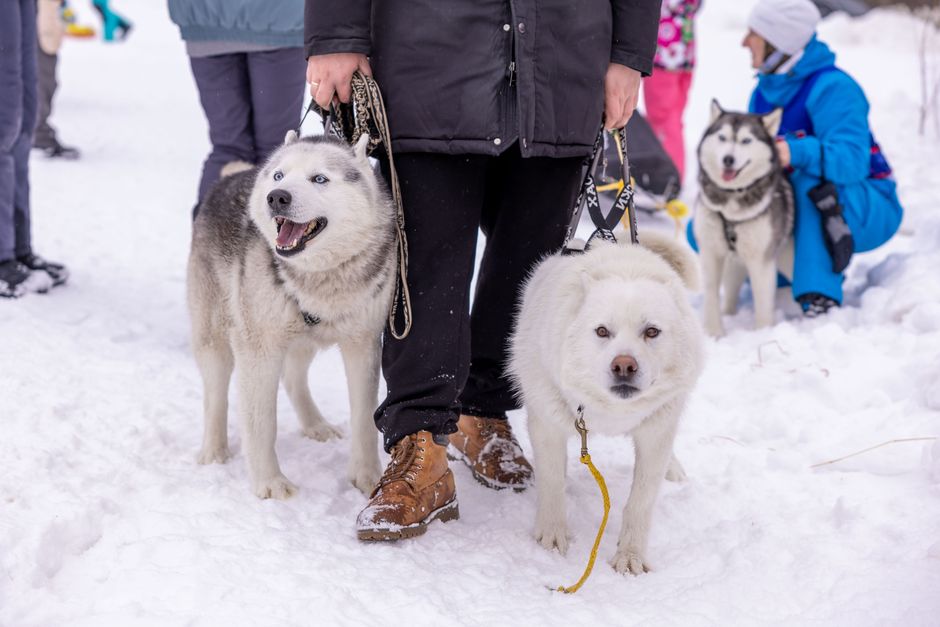
Siberian Huskies were bred to pull sleds over long distances, which means they have a natural instinct to pull against resistance. Their high energy levels and curiosity also make them prone to lunging after squirrels, other dogs, or interesting smells. Unlike some breeds that are eager to please, Huskies are independent thinkers and may not respond to traditional obedience methods. This makes leash training a critical skill not only for pleasant walks but also for your dog's safety. A poorly trained Husky can easily slip a collar and run off, leading to dangerous situations.
Essential Equipment for Leash Training
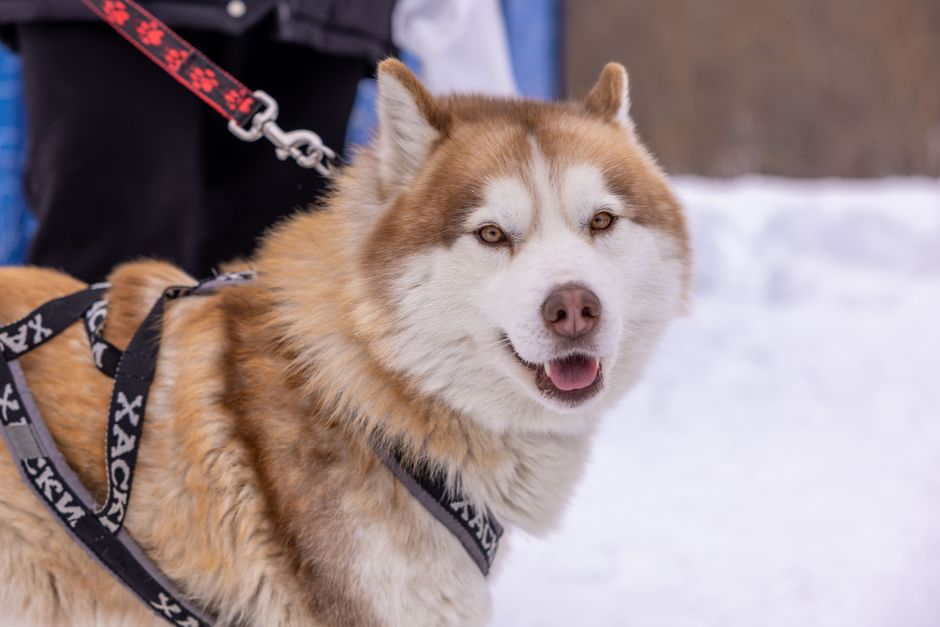
Investing in the right gear is the first step to successful leash training. Avoid using a standard flat collar, as it can encourage pulling and may cause injury to your dog's neck. Instead, choose one of the following:
- Front-clip harness: A harness with a ring on the front of the chest discourages pulling by turning your dog sideways when they try to pull. This gives you more control without causing discomfort.
- Martingale collar: A limited-slip collar that tightens gently when your dog pulls, but not to the point of choking. Best used with a harness.
- Leash: A standard 6-foot flat leash made of nylon or leather. Retractable leashes are not recommended because they can encourage pulling and are difficult to manage.
- High-value treats: Small, smelly, and delicious treats like freeze-dried liver, cheese, or hot dog pieces. These should be reserved for training sessions only.
- Clicker (optional): A clicker can help mark desired behavior precisely, but you can also use a verbal marker like “Yes!”.
Step-by-Step Leash Training Guide
Step 1: Get Your Husky Comfortable with the Harness/Leash
Start indoors where there are few distractions. Show your Husky the harness and reward them for sniffing it. Then, gently put the harness on them without fastening it, give a treat, and remove it. Repeat this process, gradually leaving the harness on for longer periods. Once your dog is comfortable, attach the leash and let them drag it around the house while you supervise. Never leave your dog unattended with a leash attached to prevent tangling or chewing.
Step 2: Practice Loose Leash Walking Indoors
Inside your home, begin walking with your Husky on a loose leash. Hold the leash in one hand and treats in the other. Start moving forward; if your dog stays by your side and the leash is loose, mark and reward. If they pull ahead, stop immediately and stand still. Do not say anything. Wait until the leash slackens (they may look back or step toward you), then mark and treat, and resume walking. Repeat this “stop-go” method until your dog understands that pulling stops forward movement.
Step 3: Move to a Quiet Outdoor Area
Once indoors is going well, move to a low-distraction outdoor area like your backyard or a quiet street. Repeat the same stop-go technique. Huskies are easily distracted, so keep sessions short (5-10 minutes) and end on a positive note. Introduce a verbal cue like “Let’s go” when you start walking, and reward your dog for checking in with you. This builds the habit of looking to you for direction.
Step 4: Gradually Increase Distractions
Slowly introduce more challenging environments—a park, a sidewalk with other dogs, or a busy neighborhood. Use higher-value treats to compete with distractions. If your Husky lunges or pulls toward something, try the “turn and go” method: immediately turn around and walk in the opposite direction, then call your dog to follow. This teaches them that pulling results in losing access to what they wanted. Consistency is key; practice daily.
Step 5: Teach Specific Commands
Incorporate commands that reinforce good leash behavior:
- Heel: Teach your Husky to walk closely by your side. Use a lure (treat at nose level) to guide them into a heel position. Say “Heel” and reward after a few steps. Gradually increase duration.
- Leave it: important for distractions. Show a low-value treat in your closed hand, say “Leave it”, and reward when they look away. Progress to higher-value items and moving objects.
- Wait: Before crossing streets or opening doors, have your Husky sit and wait. Start with a one-step wait and build up to longer waits.
Common Challenges and Solutions
| Challenge | Solution |
|---|---|
| Pulling constantly | Use a front-clip harness and the stop-and-go method. Consider a head halter if pulling is extreme. |
| Lunging at squirrels/dogs | Practice “look at that” games: reward your dog for looking at a trigger without reacting. Increase distance from triggers. |
| Refusing to walk (planting) | Encourage with a treat lure or toy. Never force; wait and reward small steps. Check if the harness is uncomfortable. |
| Excitement or jumping | Wait for calm behavior before attaching the leash and heading out. If jumping, turn your back and ignore until all four feet are on the ground. |
Tips for Success
- Keep sessions short: 5-10 minutes, 2-3 times a day. Huskies have short attention spans, and long sessions can lead to frustration.
- Be consistent: Use the same cues and rules every time you walk. All family members should follow the same protocol.
- Avoid punishment: Yelling or yanking on the leash can make your Husky fearful or more stubborn. Positive reinforcement works best.
- Exercise before training: A tired Husky is more focused. Let your dog run in a secure area or play fetch before a training walk.
- Enroll in a group class: If you’re struggling, a professional trainer experienced with Northern breeds can provide personalized guidance.
When to Seek Professional Help
If your Husky’s pulling is extreme, they show aggression toward people or dogs while on leash, or you feel they are a danger to themselves or others, don’t hesitate to contact a certified dog trainer. Some Huskies may have underlying anxiety or reactivity that requires a tailored behavior modification program. Professional help can make the process faster and safer for both of you.
Conclusion
Leash training a Husky requires patience, but the reward is a safe, enjoyable walking companion. By using the right equipment, following the step-by-step process, and staying consistent, you can teach your Husky to walk calmly by your side. every dog learns at their own pace—celebrate small victories and never give up. With time and positive reinforcement, you and your Husky will look forward to every walk together.