Choosing the right training class for your Siberian Husky is one of the most important decisions you can make for your dog's development and your sanity. Huskies are intelligent, independent, and energetic, which means they require a training approach that differs from many other breeds. This comprehensive guide will walk you through everything you need to know to find the best Husky training classes that set your furry friend up for success.
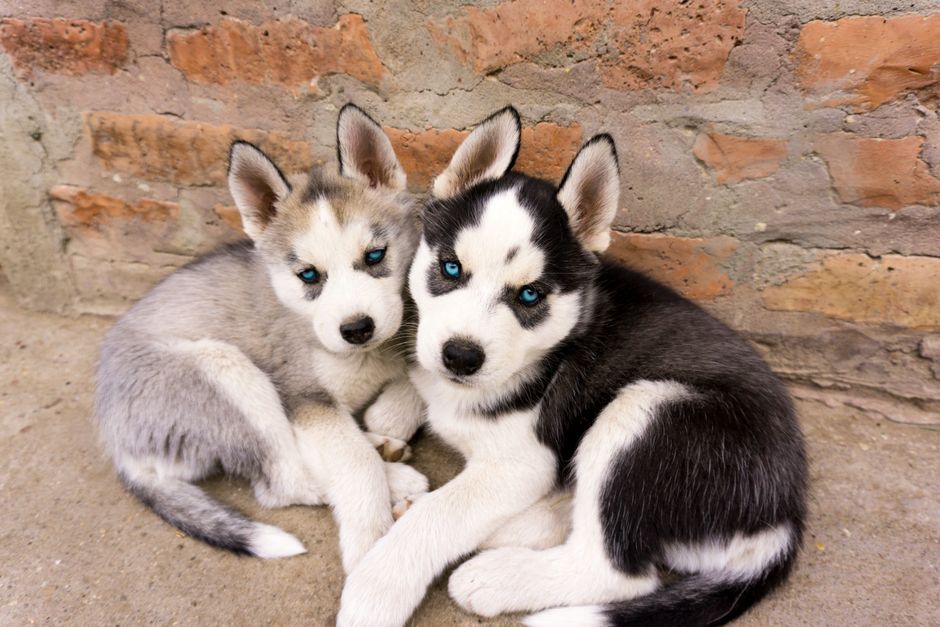
Why Specialized Training Matters for Huskies
Huskies were bred to pull sleds over long distances, making them highly intelligent but also stubborn and pack-oriented. They are not naturally inclined to please humans the way retrievers or herding dogs are. This means that generic obedience classes designed for “eager-to-please” breeds often fall short. A specialized class understands the Husky’s unique traits:
- High energy needs: Huskies require ample physical and mental stimulation. A class that incorporates activity is essential.
- Strong prey drive: They can be easily distracted by small animals. Training must address recall and impulse control.
- Independence: They may “choose” not to obey. Positive reinforcement and motivation are key.
- Vocalization: Huskies are known for howling and “talking.” Classes should not punish this but redirect it.
Without a tailored approach, many owners become frustrated or resort to harsh methods that can damage the dog-trainer relationship. The right training class turns your Husky into a well-mannered companion while preserving their spark.
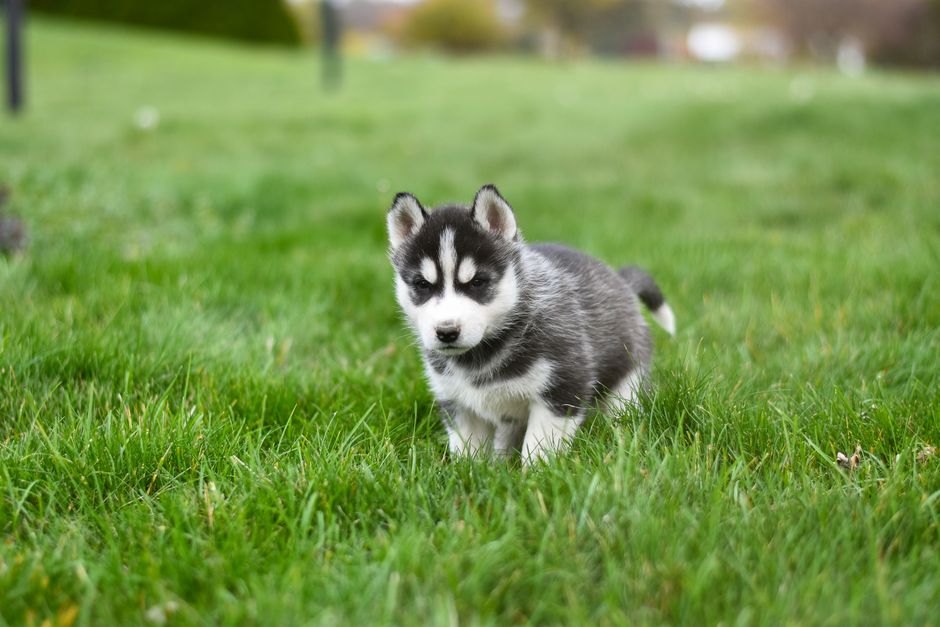
Key Qualities to Look for in a Husky Training Class
Positive Reinforcement Methods
Huskies respond best to reward-based training. Positive reinforcement (treats, praise, play) builds trust and eagerness. Avoid classes that rely on shock collars, prong collars, or dominance-based techniques. These can create fear and aggression in a sensitive breed.
Small Class Sizes and Individual Attention
Ideal Husky training classes limit enrollment to 6-8 dogs. This allows the trainer to address each dog’s specific challenges, especially high-distraction issues. Large classes can overwhelm a Husky and lead to overstimulation.
Focus on Socialization and Impulse Control
Huskies need to learn acceptable behavior around other dogs and people. Look for classes that include controlled socialization exercises and gradually increase distractions. Impulse control exercises (like “leave it” and “stay”) are crucial for safety.
Trainer Experience with Siberian Huskies
Ask the trainer directly about their experience with the breed. Have they trained Huskies before? Do they understand the breed’s unique mindset? A trainer who has worked with northern breeds will know how to motivate them without confrontation.
Structured Curriculum with Clear Goals
A good class follows a logical progression: from basic foundation skills (sit, stay, come) to advanced skills (loose-leash walking, recall under distraction). The curriculum should be transparent and measurable.
| Quality | Why It Matters for Huskies |
|---|---|
| Positive reinforcement | Builds trust and motivation; avoids fear-based responses |
| Small class size | Individual attention to manage stubbornness |
| Socialization focus | Reduces reactivity and improves impulse control |
| Breed-specific experience | Trainer knows how to handle independence and prey drive |
| Structured curriculum | Ensures progress and accountability |
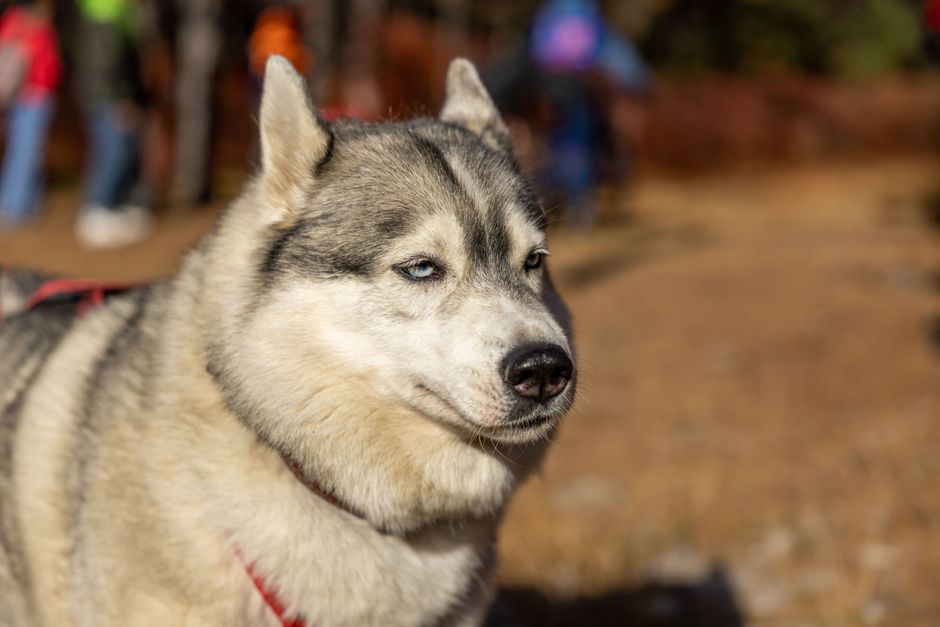
Types of Training Classes Suitable for Huskies
Puppy Kindergarten
For puppies (8-16 weeks), early socialization is critical. Look for classes that use gentle handling and teach bite inhibition. Husky puppies learn quickly but can be mouthy; a good class addresses this.
Basic Obedience (Beginner)
Focuses on sit, down, stay, come, and loose-leash walking. For Huskies, this class should emphasize proofing behaviors in different environments. Avoid classes that rush through these basics.
Advanced Obedience or “Canine Good Citizen” Prep
Once basics are solid, advanced classes work on off-leash reliability, distance commands, and complex distractions. Huskies enjoy mental challenges, so this is a good fit.
Agility or Nose Work
Huskies excel at activities that channel their energy. Agility classes provide physical exercise and mental stimulation. Nose work class taps into their scenting abilities and builds confidence. These can be great complements to obedience training.
Private Lessons or Behavior Modification
If your Husky has specific issues (like resource guarding or fearfulness), private sessions may be necessary. Ensure the trainer uses humane methods and understands the breed.
Red Flags When Choosing a Training Class
- Use of aversive tools: Avoid classes that promote shock, prong, or choke chains. These can cause physical and emotional harm.
- One-size-fits-all approach: Be wary of trainers who claim their method works for all breeds without acknowledging Husky-specific traits.
- Lack of transparency: If the trainer cannot clearly describe their methods or philosophy, look elsewhere.
- Overcrowded classes: A class with more than 10 dogs likely cannot give adequate attention.
- No observation allowed: A reputable trainer invites you to watch a class before committing.
Questions to Ask Before Enrolling
Arm yourself with these questions when contacting potential trainers:
- How many years have you been training dogs, and how many Huskies have you trained?
- What training methods do you use? Can you describe your approach to positive reinforcement?
- What is your class size and ratio of trainers to dogs?
- Do you offer a free trial or allow me to observe a class?
- How do you handle a stubborn or distracted dog during class?
- What happens if my Husky does not respond to a command?
- Do you offer follow-up support or resources for practice at home?
- Are you certified through an organization like the CCPDT, IAABC, or APDT?
Take note of red flags in their answers. A good trainer will be patient, detailed, and happy to address your concerns.
How to Prepare Your Husky for Training Classes
Before the first class, set your Husky up for success:
- Exercise beforehand: A tired Husky is more focused. Take your dog for a run or a long walk before class to burn off excess energy.
- Bring high-value treats: Use small, soft treats your Husky loves (cheese, hot dogs, liver). Avoid dry kibble if it doesn't motivate them.
- Arrive early: Allow your dog to sniff and explore the training area without other dogs present initially.
- Keep sessions short: At home, practice for just 5-10 minutes several times a day. Huskies have short attention spans.
- Stay calm and patient: Your attitude influences your dog. If you’re frustrated, your Husky may become anxious.
Conclusion
Selecting the best Husky training class requires research and careful evaluation, but the payoff is immense. A well-trained Husky is a joy to live with and proof of your commitment as an owner. Prioritize positive reinforcement, breed-specific experience, and a supportive learning environment. With the right class, you’ll not only teach your Husky essential skills but also strengthen the bond between you. Start your search today – your Husky’s best behavior awaits!