
Why Books Remain important for Husky Training
While online videos and forums offer quick tips, nothing beats the depth and structure of a well-written book. Siberian Huskies are intelligent, independent, and sometimes stubborn. A good book provides a step-by-step roadmap, explains the ‘why’ behind techniques, and helps you avoid common pitfalls. Below, we review the top training books specifically recommended for Husky owners.

Top 5 Books for Husky Training
1. The Complete Guide to Siberian Huskies by Mary Meier
Best for: New owners and comprehensive care. This book covers everything from puppy selection to advanced training. It includes detailed sections on housebreaking, crate training, and leash manners—all tailored to the Husky temperament. The author uses positive reinforcement methods and explains how to manage the breed’s high energy and prey drive.
- Key Takeaway: Step-by-step routines for daily training sessions.
- Pros: Easy to read, covers health and grooming too.
- Cons: Some sections are brief for experienced owners.
2. Training Your Siberian Husky by John B. Smith
Best for: Obedience and behavior modification. Smith focuses on common Husky issues like pulling, escaping, and selective hearing. His methods rely on clear communication and consistency. The book includes a 6-week training schedule and troubleshooting charts.
- Key Takeaway: Use your voice tone and posture to command respect.
- Pros: Practical solutions for stubborn behaviors.
- Cons: Lacks color photos; diagrams are hand-drawn.
3. Husky Training: A Fun and Force-Free Approach by Susan Grey
Best for: Positive reinforcement advocates. This modern guide uses clicker training, shaping, and reward-based methods. It explains how to motivate a Husky without punishment. Special chapters focus on recall, loose-leash walking, and tricks.
- Key Takeaway: Turn training into a game to hold your Husky’s attention.
- Pros: Step-by-step photos, includes downloadable cue cards.
- Cons: Not for owners who prefer traditional discipline.
4. The Husky Pup’s Owner’s Handbook by Laura Davis
Best for: Puppy-specific training (8 weeks to 1 year). This guide covers early socialization, teething issues, and basic commands. It provides a day-by-day schedule for the critical first months. Davis also addresses Husky-specific topics like howling and digging.
- Key Takeaway: Socialization outings must begin before 16 weeks.
- Pros: Compact, fits in a diaper bag; easy to reference on-the-go.
- Cons: Limited advanced content; focused only on puppyhood.
5. Husky Training: The Ultimate Guide to Raising a Well-Behaved Husky by Mark Peterson
Best for: Owners wanting a one-stop resource. Peterson combines obedience training, behavior correction, and even sled dog training tips. The book includes advice on mental stimulation and ‘job’ assignments to keep Huskies happy.
- Key Takeaway: A tired Husky is a good Husky—physical + mental exercise equally important.
- Pros: 300+ pages, covers dental care and nutrition too.
- Cons: Some sections feel repetitive.
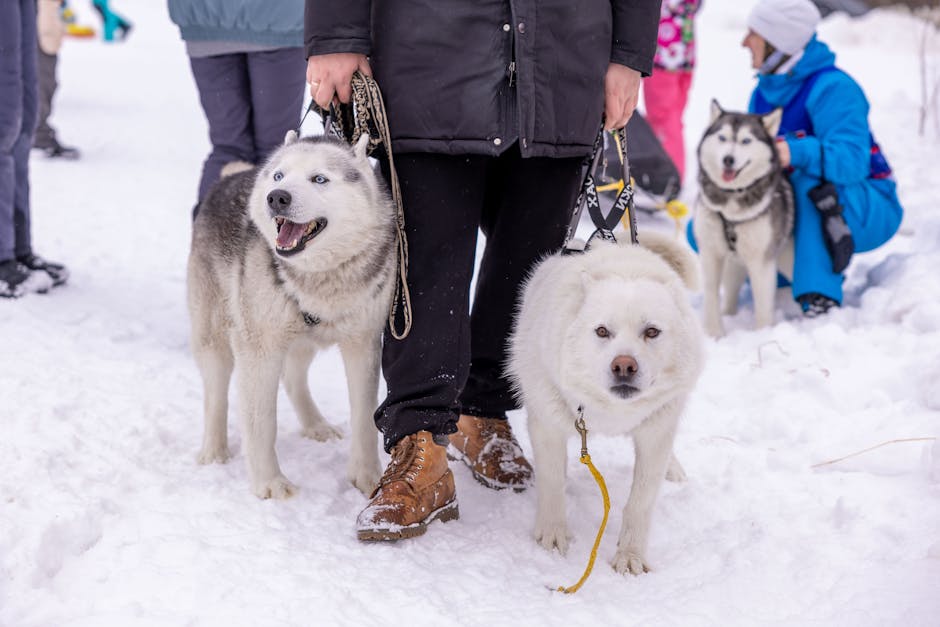
Comparison Table of Recommended Books
| Book | Best For | Training Style | Price Range |
|---|---|---|---|
| The Complete Guide to Siberian Huskies | New owners | Positive + balanced | $12–$18 |
| Training Your Siberian Husky | Behavior issues | Force-free but firm | $10–$15 |
| Husky Training: Fun & Force-Free | Positive reinforcement | Clicker training | $14–$20 |
| The Husky Pup’s Owner’s Handbook | Puppy training | Gentle guidance | $8–$12 |
| The Ultimate Guide to Raising a Well-Behaved Husky | Comprehensive | Mixed methods | $16–$25 |
How to Choose the Right Book for Your Husky
Consider your dog’s age and specific challenges. For a puppy, choose a book that focuses on early socialization and housebreaking. For an adult Husky that pulls on leash, select a title with detailed loose-leash walking techniques. If you’re new to the breed, a comprehensive guide covering all aspects is wise. Also, consider your training philosophy—are you strictly positive reinforcement, or open to balanced methods? Read sample chapters online to gauge the author’s tone.
Practical Tips from the Top Husky Training Books
- Consistency is key: Use the same commands and reward system every time.
- Keep sessions short: 5–10 minutes, 2-3 times a day, to match Husky attention spans.
- Exercise first: A tired Husky learns better. Always do a walk or play before training.
- Use high-value rewards: Cheese, chicken, or liver treats work best for this food-motivated breed.
- Never shout: Huskies respond poorly to harsh corrections; it can trigger stubbornness.
- Practice recall daily: Start in a low-distraction area and gradually add distractions.
- Socialize early: Expose your Husky to different people, dogs, and environments before 16 weeks.
Conclusion
Training a Siberian Husky is a rewarding journey that requires patience and knowledge. The books reviewed above offer tried-and-true methods to help you build a strong bond with your Husky. Whether you choose a comprehensive guide or a focused manual, the key is to apply the techniques consistently. Happy training!