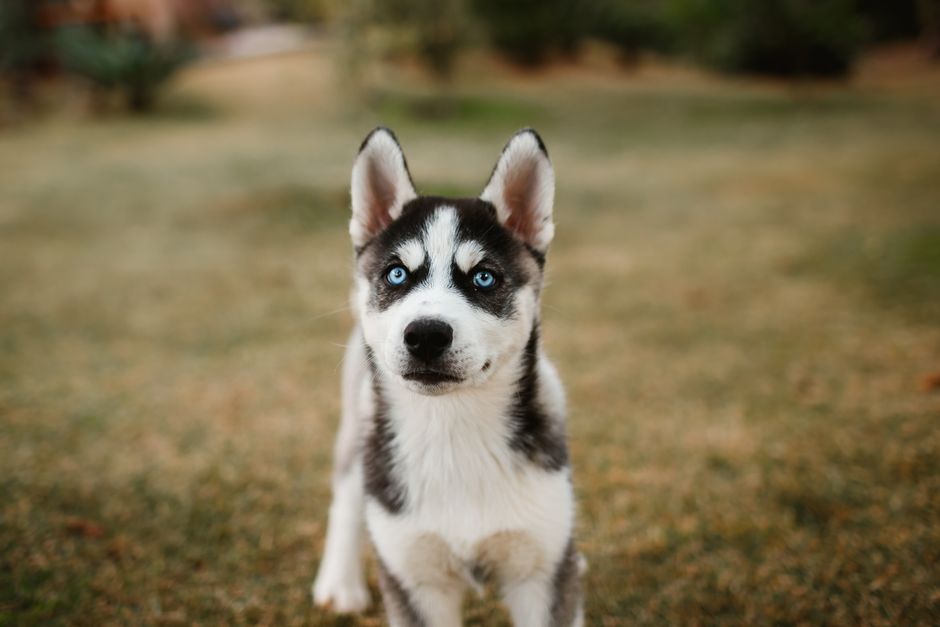
Why Grooming Your Husky Puppy Matters
Grooming a Siberian Husky puppy is not just about keeping them looking adorable; it's important for their health, comfort, and bonding. Huskies have a thick double coat that requires regular maintenance to prevent matting, reduce shedding, and avoid skin issues. Starting grooming early helps your puppy become familiar and cooperative. This guide covers everything you need to know—from brushing and bathing to nail trims and ear care.
Essential Grooming Tools for Your Husky Puppy
Before you begin, gather the right tools. Using improper equipment can damage your puppy's coat or cause discomfort. Here's what you'll need:
- Slicker brush: Removes loose undercoat and detangles.
- Undercoat rake: Reaches deep to pull out dead undercoat during shedding seasons.
- Metal comb with wide and fine teeth: For smoothing and checking for mats.
- Pin brush: Gentle for daily brushing and finishing.
- Deshedding tool: Optional but effective for heavy shedding.
- Dog-safe shampoo and conditioner: Preferably oatmeal-based or hypoallergenic.
- Nail clippers or grinder: Choose guillotine or scissor type for puppies.
- Ear cleaning solution and cotton balls.
- Soft toothbrush and dog toothpaste.
- High-quality towel or pet blow dryer (low heat setting).
Brushing Your Husky Puppy’s Coat
Understanding the Double Coat
Huskies have a dense, woolly undercoat for insulation and a longer, straight topcoat that repels water. This coat sheds heavily twice a year (blowing coat), but they shed moderately year-round. Regular brushing removes dead hair, prevents mats, and distributes natural oils.
Brushing Frequency
- Puppy (up to 6 months): Brush 2–3 times per week to get your puppy used to grooming.
- Outside of shedding season: 2–3 times per week.
- During shedding season (spring and fall): Daily brushing is important for manage the massive hair loss.
Step-by-Step Brushing Technique
- Start with a slicker brush: Gently work through the coat in sections, following the hair growth direction. Use light strokes to avoid scratching the skin.
- Use an undercoat rake (if needed): For heavy undercoat, use the rake gently, especially on the back and hindquarters. Avoid over-scraping on sensitive areas like the belly.
- Comb through with a metal comb: Check for tangles, especially behind ears, armpits, and tail. Use the wide-tooth side first, then fine-tooth to smooth.
- Finish with a pin brush: This gives a sleek finish and removes any remaining loose hair.
Tips for a Successful Brushing Session
- Always brush when your puppy is calm—after a walk or playtime.
- Use treats and positive reinforcement. Let them sniff the brush first, then reward for staying still.
- If you hit a mat, work it out with your fingers or use a detangling spray. Never yank or cut them out if close to skin.
- Pay extra attention to the ruff (neck) and trousers (back of legs) where mats commonly form.
Bathing Your Husky Puppy
How Often to Bathe
Huskies are clean dogs with little odor; over-bathing strips natural oils and dries out skin. Bathe only:
- Every 2–3 months, or when visibly dirty or smelly.
- During heavy shedding (bathing can help loosen dead hair).
- After rolling in something unpleasant.
Bathing Step-by-Step
- Brush first: Remove loose hair and mats before getting wet; wet mats tighten.
- Use lukewarm water: Fill a tub or use a shower nozzle. Avoid water in ears and eyes.
- Apply dog shampoo: Dilute if needed, and work into a lather from neck down. Do not use human shampoo.
- Rinse thoroughly: Shampoo residue can cause irritation. Rinse until water runs clear.
- Apply conditioner (optional): Helps with detangling and skin health. Rinse well.
- Dry completely: Towel dry thoroughly, then use a blow dryer on low heat. High heat can burn skin. Keep the dryer moving. Let your puppy get used to the noise gradually.
Bathing Tips
- Use a non-slip mat in the tub for safety.
- Place a cotton ball in each ear to prevent water entry.
- If your puppy is nervous, start with just wetting paws and legs, then work up.
- Never leave a wet husky outside in cold weather—the undercoat takes hours to dry completely.
Nail Trimming for Husky Puppies
Long nails can cause pain and affect gait. Trimming every 2–4 weeks is typical. Use sharp clippers or a grinder.
How to Trim Safely
- Hold the paw firmly but gently. Identify the quick (the pink area in light nails; in dark nails, look for a small grayish triangle or stop cutting when you see a black dot in the center).
- Cut at a 45-degree angle, just before the quick. For dark nails, cut small slivers until you see a black dot (the start of the quick).
- Have styptic powder or cornstarch on hand to stop bleeding if you cut too short.
- File rough edges with a nail file or use a grinder to smooth.
Tips
- Start by touching paws and playing with them daily from puppyhood.
- Trim after a walk when your puppy is tired.
- If using a grinder, let them hear the sound first without touching. Reward for calmness.
Ear and Eye Care
Ear Cleaning
Huskies have rose-shaped ears that are less prone to infections, but still need checks.
- Inspect weekly for redness, swelling, discharge, or odor.
- Use a vet-recommended ear cleaner. Soak a cotton ball and wipe the visible part of the ear. Never insert anything into the ear canal.
- If you see dirt buildup, you can gently wipe with a damp cotton ball. Do not over-clean as it can irritate.
- If your puppy shakes head excessively or scratches ears, consult your vet.
Eye Care
Huskies can have tear stains or debris. Wipe gently with a damp cloth or use a dog eye wipe. Check for redness or discharge. Some huskies have a condition called 'snow nose' (pigment loss) which is usually harmless.
Dental Care
Start brushing your husky puppy’s teeth early to prevent dental disease. Use toothpaste made for dogs (never human toothpaste).
- Brush at least 2–3 times a week, ideally daily.
- Use a soft-bristled toothbrush or finger brush.
- Introduce gradually: let them taste the paste, then lift lips, then brush a few teeth.
- Provide dental chews or toys as supplements.
- Consider professional cleaning if tartar builds up (your vet can advise).
Paw and Pad Care
Inspect paws after walks for cuts, debris, or cracked pads. In winter, snow and ice can collect between toes. In summer, hot pavement can burn pads.
- Trim hair between paw pads to prevent ice balls and matting.
- Apply paw balm in extreme weather to keep pads moisturized.
- Wipe paws after walks to remove dirt and chemicals.
Common Grooming Mistakes to Avoid
- Shaving or cutting the coat: Never shave a husky. Their double coat regulates temperature and protects from sun and cold. Shaving can cause permanent damage and overheating.
- Over-bathing: Leads to dry, flaky skin and increased shedding.
- Using human products: Shampoo, conditioner, or toothpaste for humans can irritate or be toxic.
- Brushing dry hair too aggressively: Causes breakage and skin irritation. Always brush gently, especially if there are tangles.
- Neglecting early socialization: If your puppy isn't used to grooming, it becomes a struggle. Start handling paws, ears, and mouth from day one.
Seasonal Grooming Tips
Spring (Blowing Coat)
Daily brushing with an undercoat rake and deshedding tool. Bathing can help loosen dead undercoat. Provide cool water and shade after brushing.
Summer
Don't shave! Provide plenty of water and avoid overexertion. Brush 2–3 times a week to remove loose hair. Use a cooling mat or wet towel.
Fall (Second Blow)
Similar to spring—increased brushing. Check for mats from wet leaves or mud. Clean ears if they get dirty from outdoor activities.
Winter
Huskies love cold, but dry indoor air can cause dandruff. Brush regularly to remove dead hair. Use a humidifier. Apply paw balm to protect from ice and salt. After walks, wash paws with warm water and dry thoroughly to prevent cracking.
When to Seek Professional Grooming
While most grooming can be done at home, consider professional help if:
- Your puppy has severe mats that you cannot safely remove.
- You are uncomfortable trimming nails.
- Your dog is extremely anxious during grooming.
- You want a tidy trim of the paw pads or sanitary areas.
Professional groomers can also identify skin issues early. Ask for a grooming session that includes a bath, brush, nail trim, ear cleaning, and hygienic trim.
Conclusion
Grooming your husky puppy is a wonderful bonding experience that promotes health and happiness. With consistent practice, the right tools, and lots of patience, your husky will learn to enjoy grooming sessions. Remember: never shave your husky, brush regularly, bathe sparingly, and handle sensitive areas with care. Your well-groomed husky will thank you with a beautiful coat and a wagging tail!
| Task | Frequency |
|---|---|
| Brushing (non-shedding season) | 2–3 times per week |
| Brushing (shedding season) | Daily |
| Bathing | Every 2–3 months or as needed |
| Nail trimming | Every 3–4 weeks |
| Ear cleaning | Weekly check, clean as needed |
| Teeth brushing | 2–3 times per week (ideal daily) |
| Paw inspection | After each walk |
| Professional grooming | Every 6–8 weeks (optional) |
Recommended Products for Your Husky
As an Amazon Associate, we earn from qualifying purchases. Learn more.
- Husky Grooming Kit — Check price on Amazon
- High-Velocity Dryer — Check price on Amazon
- Pet Clippers — Check price on Amazon
Frequently Asked Questions
When can Husky puppies leave their mother?
Not before 8 weeks — earlier weaning harms socialization. Many breeders hold to 10–12 weeks for stability.
How much sleep does a Husky puppy need?
Up to 18–20 hours a day. Over-tired puppies bite and crash; enforce naps in the crate.
When should vaccinations start?
The first round is usually at 6–8 weeks, then boosters every 3–4 weeks until 16 weeks. Avoid dog parks until complete.
Editor's Note
We've learned the hard way that husky puppies need a six-foot fence, not four. The escape artists we manage all started with a climbable boundary. Bury chicken wire along the line and thank us later.
Sources & Further Reading
HuskySpot researches each topic against recognized breed and veterinary authorities. The following organizations inform our content: