Understanding Why Huskies Chew
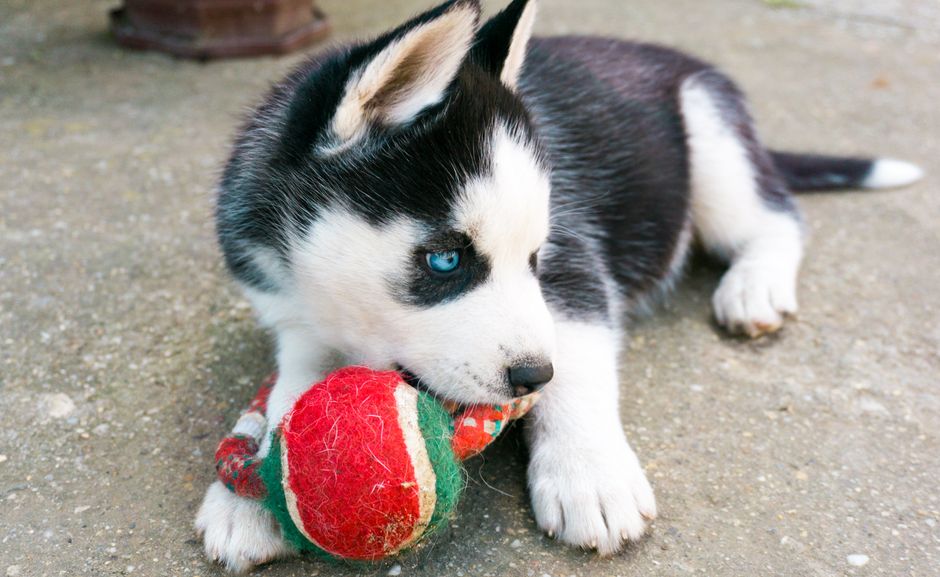
Chewing is a natural and instinctive behavior for all puppies, but Siberian Huskies have a particularly strong drive to chew. This stems from their heritage as working dogs bred for pulling sleds and enduring harsh conditions. In the wild, chewing helps keep teeth clean and jaws strong. For a Husky puppy, chewing serves multiple purposes: it relieves teething pain, provides mental stimulation, combats boredom, and helps explore their environment. Understanding these underlying reasons is the first step in managing and redirecting this behavior appropriately.
The Teething Phase in Husky Puppies
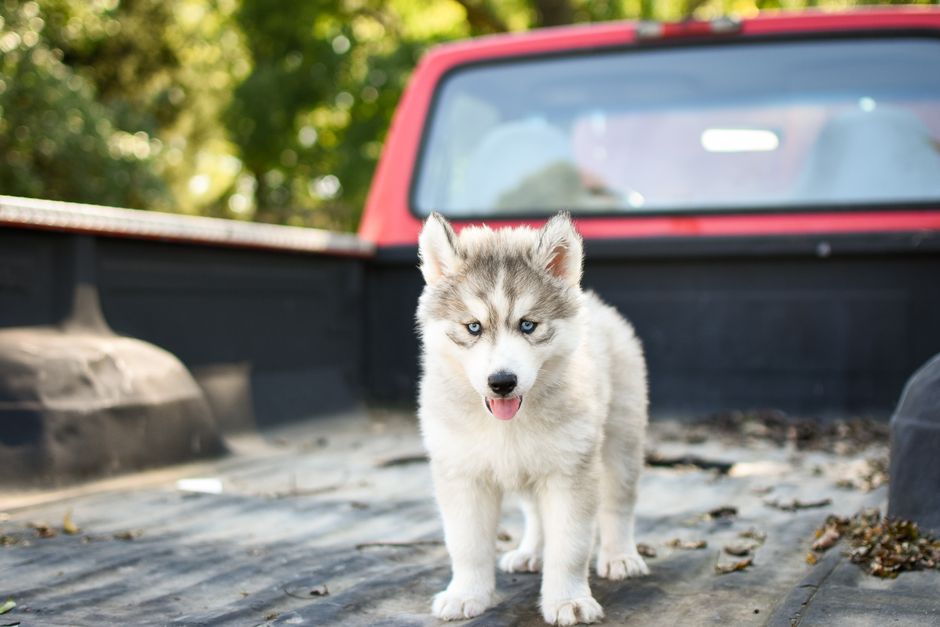
Husky puppies, like all canines, go through a teething phase that typically begins around 3 to 4 months of age and can last until they are 6 to 8 months old. During this time, their baby teeth fall out and are replaced by 42 adult teeth. This process is uncomfortable and even painful, causing puppies to seek relief by chewing on anything they can find. Common signs of teething include increased drooling, red and swollen gums, reluctance to eat hard food, and a strong urge to gnaw. As a Husky owner, your role is to provide safe and soothing outlets for this natural behavior.
Timeline of Teething
- 3-4 months: Incisors and canine teeth start to fall out.
- 4-5 months: Premolars begin to emerge.
- 5-6 months: Molars come in; most adult teeth are present by 7 months.
During this period, your Husky puppy will have an intense need to chew. Providing the right chew toys can make a huge difference in both their comfort and your furniture's safety.
Providing Appropriate Chew Toys
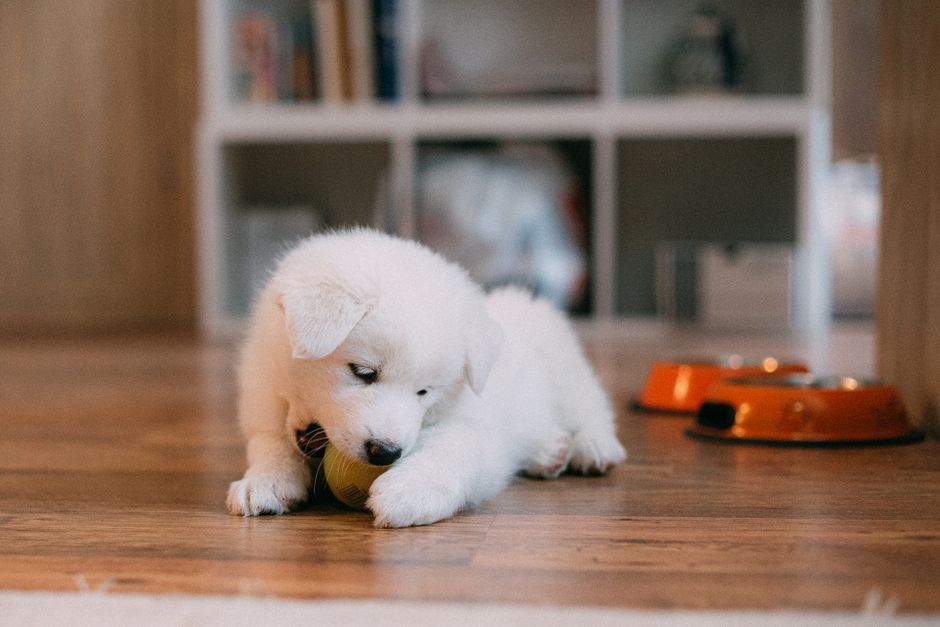
One of the most effective ways to manage your Husky's chewing is to offer several safe, durable, and engaging chew toys. Not all toys are created equal, and Huskies are notorious for being powerful chewers who can destroy flimsy toys quickly. Look for toys that are labeled for heavy chewers or designed for strong-jawed breeds.
Types of Chew Toys for Huskies
| Toy Type | Examples | Benefits |
|---|---|---|
| Rubber toys | Kong, Goughnuts, West Paw Zogoflex | Durable, can be stuffed with treats for mental stimulation. |
| Nylon bones | Nylabone Dura Chew, Benebone | Tough, non-splintering, helps clean teeth. |
| Antlers and hooves | Whole elk antlers, split deer antlers, beef hooves | Long-lasting, natural, rich in minerals. |
| Rope toys | Cotton or hemp ropes | Great for interactive play, helps floss teeth. |
| Freezable toys | Kong Puppy with frozen yogurt, silicone popsicles | Soothes sore gums during teething. |
It's important to rotate toys every few days to keep your puppy interested. Also, always supervise your puppy with any new toy to ensure they aren't able to chew off and swallow small pieces.
Training Your Husky Puppy Not to Chew Inappropriately
While providing appropriate chew items is essential, training your Husky to understand what is off-limits is equally important. The key is consistency, positive reinforcement, and redirection. Remember, punishment can backfire and cause fear or anxiety, which may worsen chewing.
Step-by-Step Training Method
- Puppy-proof your home: Remove tempting items like shoes, cords, and furniture corners. Use bitter apple spray on items that can't be moved.
- Supervise closely: Keep your Husky in a confined area (like a playpen) when unsupervised, with only safe toys available.
- Redirect immediately: When you catch your puppy chewing a forbidden object, calmly say “No” and give them an appropriate toy instead. Praise them when they take it.
- Offer rewards for good choices: Whenever you see your puppy voluntarily playing with their toys, reward with a treat or verbal praise. This reinforces the desired behavior.
- Teach “Leave it” and “Drop it”: These commands are invaluable. Start by treating your puppy for looking away from a forbidden item. Progress to using a toy as a temptation.
It's normal for Husky puppies to test boundaries. Stay patient and consistent. Most importantly, never physically force a toy into their mouth or yell. Positive methods yield the best long-term results.
Managing Your Home Environment
Your Husky's environment plays a huge role in their chewing habits. A bored Husky is a destructive Husky. These intelligent dogs need both physical exercise and mental stimulation. A tired puppy is less likely to seek out inappropriate chewing outlets.
Exercise and Enrichment
Huskies require at least 30-60 minutes of vigorous exercise daily. This can include walks, runs, fetch, or pulling games. Mental stimulation is equally important. Puzzle toys, treat-dispensing balls, and training sessions keep their minds occupied. Consider enrolling in puppy obedience classes or teaching advanced tricks like “speak” or “roll over”.
Create a Safe Space
Set up a puppy-proof area where your Husky can be left alone without access to off-limits items. A crate with a comfortable bed and a few toys is ideal. Crate training, when done positively, provides a den-like sanctuary that reduces anxiety and prevents destructive chewing when you cannot supervise.
Addressing Destructive Chewing
If your Husky puppy is engaging in destructive chewing despite your best efforts, it may be a sign of an underlying issue. Common causes include separation anxiety, boredom, lack of exercise, or even hunger. Assess your puppy's daily routine: are they getting enough physical activity? Are you leaving them alone for long periods? Destructive chewing can also be a symptom of teething discomfort that hasn't been properly addressed.
What to Do If Chewing Persists
- Increase exercise and playtime – a tired Husky is less likely to chew.
- Try interactive feeders – make mealtime a puzzle.
- Use calming aids – for anxious puppies, consider pheromone diffusers or calming treats.
- Consult a professional trainer – if behavior is extreme, a certified dog trainer can provide tailored strategies.
Remember, most Husky puppies grow out of excessive chewing as they mature and their adult teeth come in. But consistent training and meeting their needs are crucial throughout their development.
Health Considerations
While chewing is normal, excessive or obsessive chewing can sometimes indicate a health problem. For instance, a Husky that chews on hard surfaces repeatedly may be suffering from dental issues like a misaligned bite or painful tooth. Other possibilities include gastrointestinal discomfort (puppies may eat grass or non-food items) or nutritional deficiencies. If your puppy's chewing is accompanied by drooling, vomiting, or lethargy, consult a veterinarian. Regular check-ups should include a dental exam to ensure teeth are coming in properly.
Also, be aware that some chew toys can pose choking hazards or cause blockages. Always choose toys appropriate for your puppy's size and age. Avoid cooked bones, which can splinter, and rawhide products that may swell and cause intestinal obstructions. When in doubt, ask your vet for recommendations.
Final Tips for Success
Raising a Husky puppy is a rewarding challenge. Their chewing behavior is just one aspect of their spirited personality. With patience, proper training, and the right toys, you can guide your puppy toward good habits that last a lifetime. Remember to celebrate small wins – every time your puppy chooses their toy over your shoe, it's a step in the right direction. Stay consistent, provide plenty of exercise and mental stimulation, and don't hesitate to seek professional help if needed. Your Husky will grow into a well-behaved adult who still loves to chew – but only on their own toys!
Recommended Products for Your Husky
As an Amazon Associate, we earn from qualifying purchases. Learn more.
- Puppy Starter Kit — Check price on Amazon
- Puppy Crate — Check price on Amazon
- Puppy Toys — Check price on Amazon
Frequently Asked Questions
How do I socialize a Husky puppy?
Expose them to sounds, surfaces, people, and calm dogs before 16 weeks. Positive experiences now prevent fear later.
What should I feed a Husky puppy?
A large-breed puppy formula with controlled calcium supports steady growth and lowers dysplasia risk.
When should I spay or neuter?
Many vets suggest 6–12 months for Huskies to protect joint and hormone development. Discuss timing with your vet.
Editor's Note
We've found puppy-proofing saves more than shoes—it saves vet bills. Locked cabinets, cord covers, sago palm removed. The households we set up right in week one never had the ingestion scares the others did.
Sources & Further Reading
HuskySpot researches each topic against recognized breed and veterinary authorities. The following organizations inform our content: