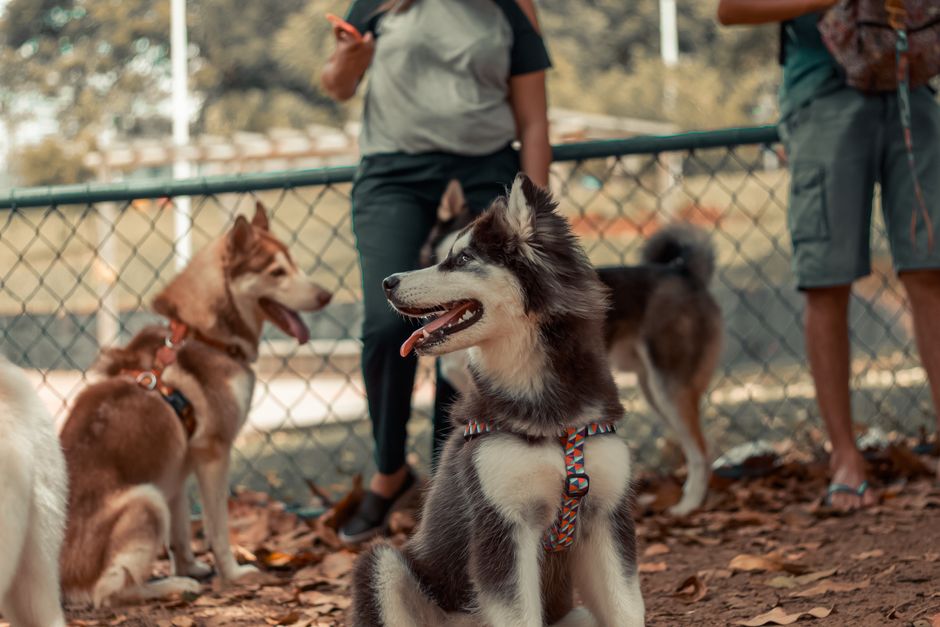
Why Socialization Matters for Your Husky Puppy
Socialization is the most critical aspect of raising a well-adjusted Siberian Husky. Without proper exposure to different people, animals, environments, and stimuli during the sensitive period (3–16 weeks), your puppy may develop fear, anxiety, or aggression. A well-socialized Husky is confident, friendly, and a joy to live with.
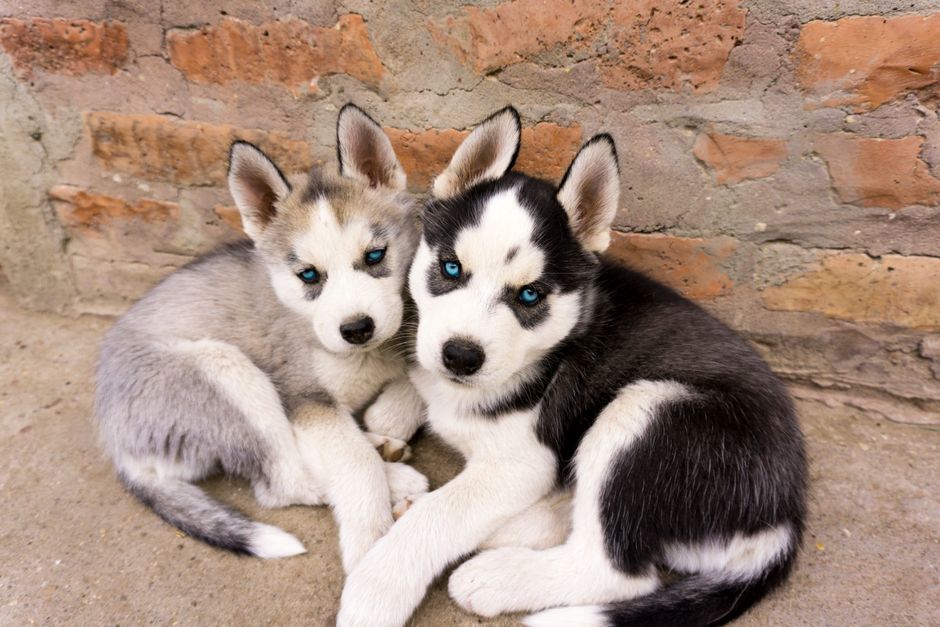
The Husky Puppy Socialization Checklist
Use this checklist to systematically introduce your puppy to several experiences. Always go at your puppy’s pace—positive associations are key. Reward calm behavior with treats and praise.
1. People
- Men, women, children (all ages)
- People wearing hats, sunglasses, helmets, or uniforms
- People using umbrellas, canes, or wheelchairs
- Different ethnicities and ages (babies to seniors)
- People with facial hair or tattoos
2. Other Animals
- Vaccinated, friendly adult dogs of various sizes and breeds
- Puppy playdates with similar-aged puppies (supervised)
- Cats (if handled properly, using barriers initially)
- Other pets like rabbits, guinea pigs, birds (from a safe distance)
3. Environments & Surfaces
- Indoors: different flooring (tile, wood, carpet), stairs
- Outdoors: grass, concrete, gravel, sand, mud, snow
- Parks, sidewalks, busy streets, quiet trails
- Veterinary clinic, pet store, grooming salon
- Elevator, escalator (once fully vaccinated and comfortable)
4. Sounds & Objects
- Traffic noise, sirens, construction sounds
- Vacuum cleaner, hairdryer, blender, doorbell
- Moving objects: skateboards, bicycles, strollers, wagons
- Umbrellas opening, balloons popping, fireworks (from a distance)
5. Handling & Grooming
- Gentle touch all over: paws, ears, mouth, tail
- Brushing, nail trimming, ear cleaning, teeth brushing
- Wearing a collar, harness, or leash
- Being held or restrained by a stranger (e.g., vet)
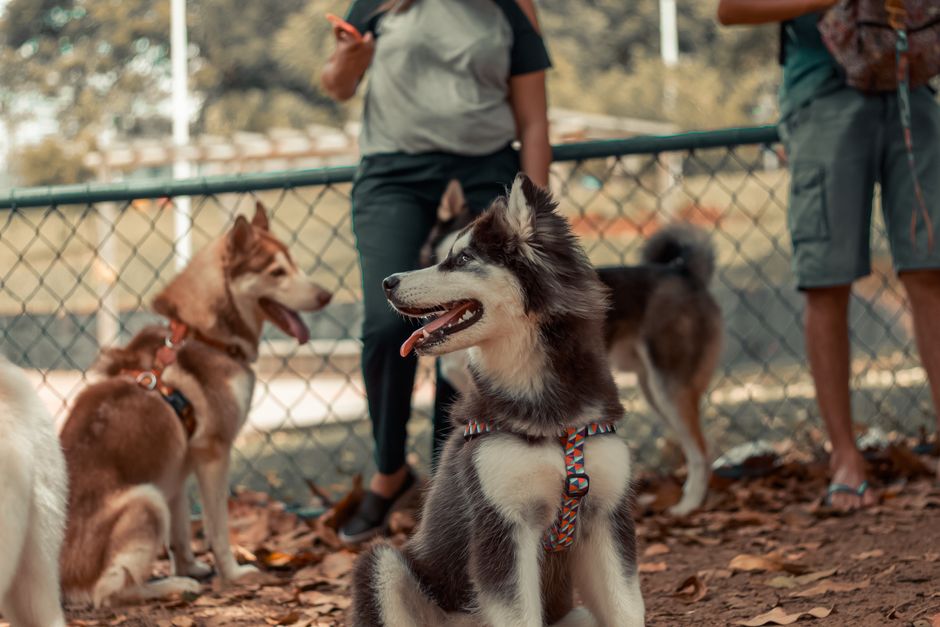
Socialization Schedule: Week by Week
| Age | Focus | Examples |
|---|---|---|
| 3–5 weeks | Littermate interaction | Play, bite inhibition, canine communication |
| 5–8 weeks | Human handling, novel objects | Gentle handling, toys, different surfaces |
| 8–11 weeks | New environments, people | Car rides, meeting strangers, puppy class |
| 11–16 weeks | Advanced experiences | Busy areas, animals, sounds, outings |
Note: Until your puppy is fully vaccinated (around 16 weeks), avoid areas with unknown dog feces or high-traffic dog parks. Use a puppy sling or carrier for safe exposure.
Practical Tips for Successful Socialization
- Start early: Begin at 3 weeks, but the prime period is 3–16 weeks. Even if older, start now—but be patient.
- Keep it positive: Use high-value treats and a happy tone. Never force your puppy into a scary situation.
- Watch for fear: Signs include tucked tail, cowering, hiding, or freezing. Back off and try a less intense version.
- Use classical conditioning: Pair new stimuli with something amazing (treats, play).
- Socialize with caution for health: Carry your puppy in public until fully vaccinated, or use a clean cart.
- Enroll in a puppy class: A well-run class provides controlled exposure and prevents behavior issues.
- Expose to different weather: Rain, snow, wind—but ensure your puppy is comfortable and dry.
- Practice alone time: Short periods in a crate or pen to prevent separation anxiety.
Common Socialization Mistakes to Avoid
- Flooding: Overwhelming your puppy by exposing to too much too fast.
- Negative experiences: Avoid dog parks with uncontrolled, large dogs that might bully your puppy.
- Isolation: Keeping your puppy at home until vaccines are complete leads to under-socialization.
- Ignoring breed traits: Huskies are independent and can be stubborn. Use high-value rewards and keep sessions short.
Conclusion
Socializing your Husky puppy is an ongoing process that lays the foundation for a happy, confident dog. Use this checklist, go at your puppy’s pace, and always make new experiences positive. The effort you invest now will repay you with a wonderful canine companion for years to come.
Recommended Products for Your Husky
As an Amazon Associate, we earn from qualifying purchases. Learn more.
- Puppy Starter Kit — Check price on Amazon
- Puppy Crate — Check price on Amazon
- Puppy Toys — Check price on Amazon
Frequently Asked Questions
What should I buy before a Husky puppy?
A crate, chew toys, a harness (not a collar for pulling), a groomer-grade brush, and puppy food. Skip the tiny water bowl — they grow fast.
How do I housebreak a Husky puppy?
Take them out every hour, after meals, and on waking; reward immediately. Crate overnight so they won't soil their den.
When can Husky puppies leave their mother?
Not before 8 weeks — earlier weaning harms socialization. Many breeders hold to 10–12 weeks for stability.
Editor's Note
We've raised enough husky puppies to respect the eight-to-twelve-week window above everything else. The owners who pushed a hundred new experiences in those weeks have the confident adults; the ones who waited got the fearful ones.
Sources & Further Reading
HuskySpot researches each topic against recognized breed and veterinary authorities. The following organizations inform our content: