Bringing home a Siberian Husky puppy is an exciting adventure. Those bright blue eyes, boundless energy, and fluffy coat make them irresistible. But along with cuddles and playtime comes the responsibility of ensuring your new family member stays healthy. The first vet visit is a crucial milestone in your husky puppy's life, setting the foundation for years of well-being. This comprehensive guide covers everything you need to know about your husky puppy's first trip to the veterinarian, from scheduling to vaccinations and beyond.
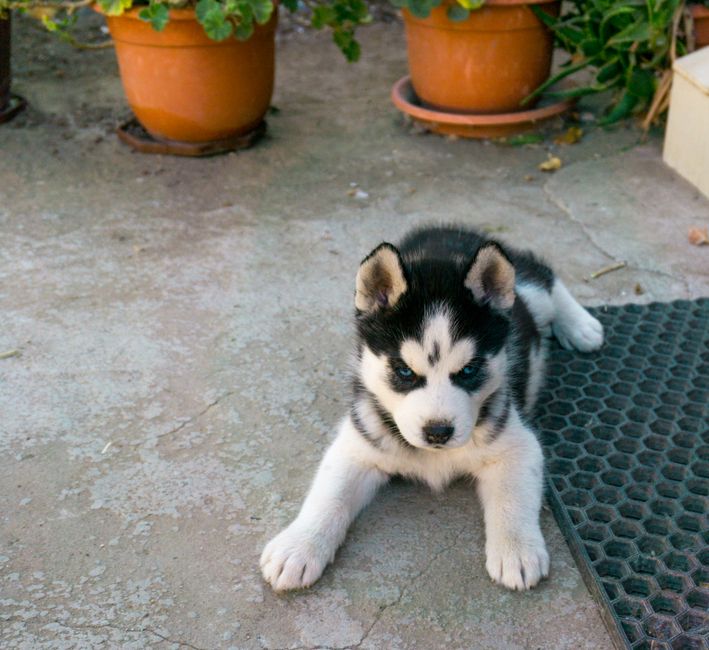
Why the First Vet Visit is Crucial for Your Husky Puppy
Your husky puppy may look healthy and playful, but underlying health issues aren't always visible. The first vet visit accomplishes several important goals:
- Early detection of health problems: Conditions like hip dysplasia, eye disorders, or congenital heart issues can be caught early.
- Vaccination schedule: Puppies need a series of vaccines to protect against deadly diseases like distemper, parvovirus, and rabies.
- Deworming and parasite prevention: Many puppies have intestinal worms or fleas that need treatment.
- Nutritional guidance: Your vet can recommend the best diet for a growing husky.
- Behavioral advice: Discuss potty training, socialization, and teething.
- Establish a relationship: A good rapport with your vet makes future visits less stressful.
When to Schedule the First Vet Visit
Timing is everything. Ideally, your husky puppy should see a vet within the first few days of bringing them home. Most breeders send puppies home at 8 weeks old, so schedule the appointment for around 8–10 weeks of age. If you adopted an older puppy, go as soon as possible. Puppies are vulnerable to infections, and delays can be dangerous.
Tip: Avoid scheduling the visit right after a stressful event like a long car ride. Give your puppy a day or two to settle in, but don't wait more than a week.
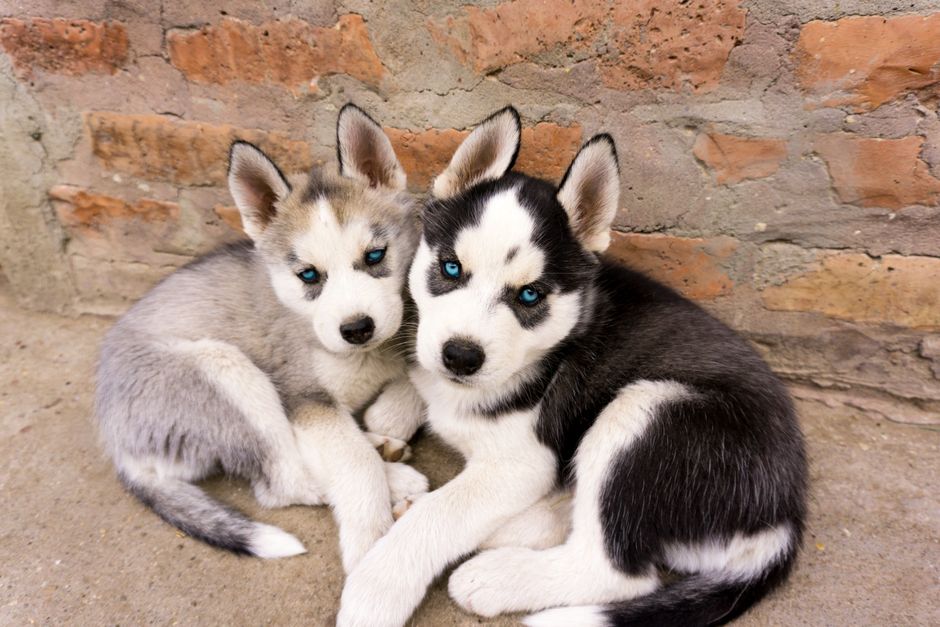
What to Expect During the First Vet Visit
Initial Physical Examination
The vet will perform a thorough nose-to-tail check, including:
- Weighing and measuring your puppy
- Checking eyes, ears, nose, and mouth
- Listening to heart and lungs
- Palpating the abdomen and joints
- Inspecting skin and coat for parasites
- Checking for hernias or other abnormalities
Vaccinations
Your husky puppy will receive a combination vaccine (DHPP) that protects against distemper, hepatitis, parvovirus, and parainfluenza. Depending on age and local laws, a rabies vaccine may be given later. The vet will set a booster schedule. Here's a typical vaccination timeline:
| Age | Vaccine |
|---|---|
| 6–8 weeks | DHPP (first dose) |
| 10–12 weeks | DHPP booster, optional Bordetella |
| 14–16 weeks | DHPP booster, rabies (first dose) |
| 12–16 months | DHPP booster, rabies booster |
Deworming and Fecal Exam
Most puppies have roundworms or hookworms. The vet will ask for a fresh stool sample to check for parasites and prescribe a dewormer if needed.
Microchipping and Spay/Neuter Discussion
Many vets recommend microchipping at the first visit for permanent identification. They'll also discuss the optimal time for spaying or neutering your husky.
How to Prepare Your Husky Puppy for the First Vet Visit
A calm, positive experience helps your husky associate the vet with good things. Follow these tips:
- Bring a familiar blanket or toy: The scent of home comforts your puppy.
- Use a carrier or leash: Keep your puppy secure and prevent escapes.
- Arrive with a partially full bladder: Your vet may need a urine sample, but don't force it.
- Bring treats and praise: Reward calm behavior throughout the visit.
- Stay calm yourself: Dogs pick up on your emotions. Breathe and be positive.
- Bring all paperwork: Vaccination records from the breeder, adoption contract, and any medical history.
Questions to Ask Your Vet
Come prepared with a list. Great questions include:
- How much should my husky puppy eat and how often?
- What type of food is best for a Siberian Husky?
- When can I start puppy classes or socialization?
- What signs of illness should I watch for?
- What flea, tick, and heartworm prevention do you recommend?
- When should I start brushing my puppy's teeth?
- How do I safely exercise my husky without hurting joints?
Cost of the First Vet Visit
Prices vary by location and clinic, but expect to pay between $50–$150 for the exam. Vaccinations add $20–$40 each, deworming around $20–$50, and a fecal test about $25–$45. Microchipping costs $40–$60. Total first visit can range from $150–$300. Some clinics offer puppy packages that bundle services at a discount. Pet insurance can help offset future costs.
Follow-Up Care After the First Visit
Your vet will give you a vaccination schedule and possibly a deworming timeline. Keep a record of all vaccines and treatments. Schedule the next visit as recommended. Meanwhile, watch for any side effects from vaccines (mild lethargy is normal) and call the vet if you see severe reactions like vomiting or swelling.
Between visits, focus on proper nutrition, socialization, and training. Your husky puppy will need another vet visit in 3–4 weeks for boosters. Regular check-ups every few weeks until 16 weeks are common. After that, annual visits are sufficient.
Common Health Issues in Husky Puppies to Discuss
Siberian Huskies are generally healthy but prone to certain conditions. Bring these up at the first visit:
- Hip dysplasia: A genetic condition that affects the hip joint. Ask about screening.
- Progressive Retinal Atrophy (PRA): An eye disease leading to blindness. Request an eye exam.
- Hypothyroidism: Common in adult huskies, but early signs can be monitored.
- Zinc deficiency: Huskies have unique nutritional needs; zinc is important.
Recommended Products for Your Husky
As an Amazon Associate, we earn from qualifying purchases. Learn more.
- Puppy Starter Kit — Check price on Amazon
- Puppy Crate — Check price on Amazon
- Puppy Toys — Check price on Amazon
Final Thoughts
The first vet visit for your husky puppy is more than a medical checkup—it's the start of a partnership between you, your puppy, and your veterinarian. By preparing properly, asking the right questions, and following recommended care, you'll give your Siberian Husky the best possible start. Remember, a healthy puppy is a happy puppy, and your husky's vibrant energy and loyalty will reward you for years to come.