Bringing home a Siberian Husky puppy is an exciting experience, but their vocal nature can sometimes be overwhelming. Husky puppies are known for their distinct barks, howls, and whines, which are part of their communication repertoire. Understanding why your husky puppy barks and how to manage it effectively is key to a harmonious household. In this guide, we'll explore the reasons behind husky puppy barking and provide practical training tips to help you curb excessive noise.
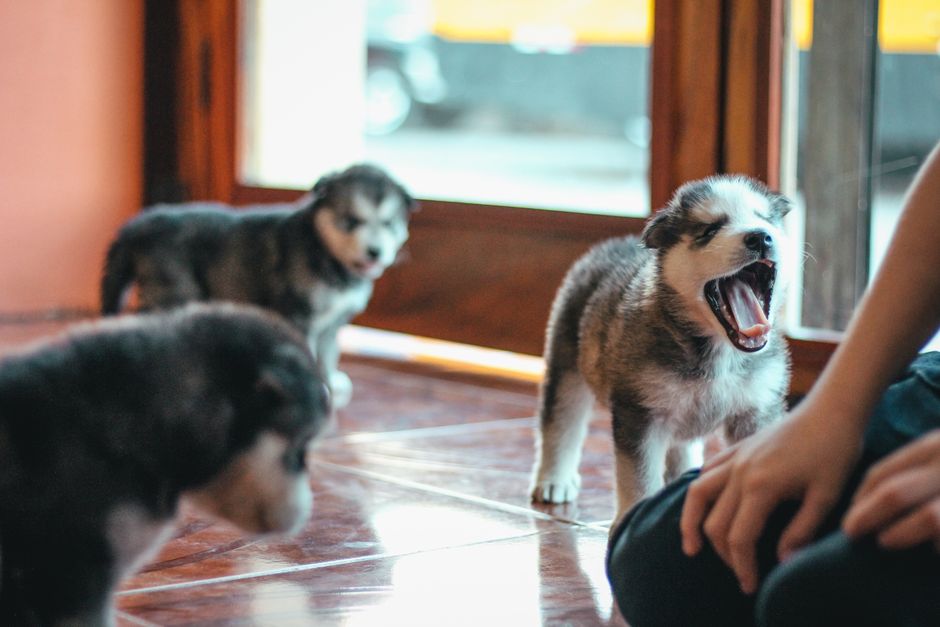
Why Do Husky Puppies Bark?
Husky puppies bark for various reasons, and it's important to interpret their vocalizations correctly. Common triggers include:
- Communication: Huskies use barking to express excitement, greet you, or alert you to something new in their environment.
- Boredom or Loneliness: A husky puppy left alone for long periods may bark out of frustration or to seek attention.
- Excitement: Playtime, meeting new people, or seeing other animals can trigger exuberant barking.
- Anxiety: Separation anxiety or fear of loud noises can lead to persistent barking.
- Attention-Seeking: If barking gets your attention, your puppy learns it's an effective strategy.
Understanding the underlying cause is the first step toward addressing the behavior.
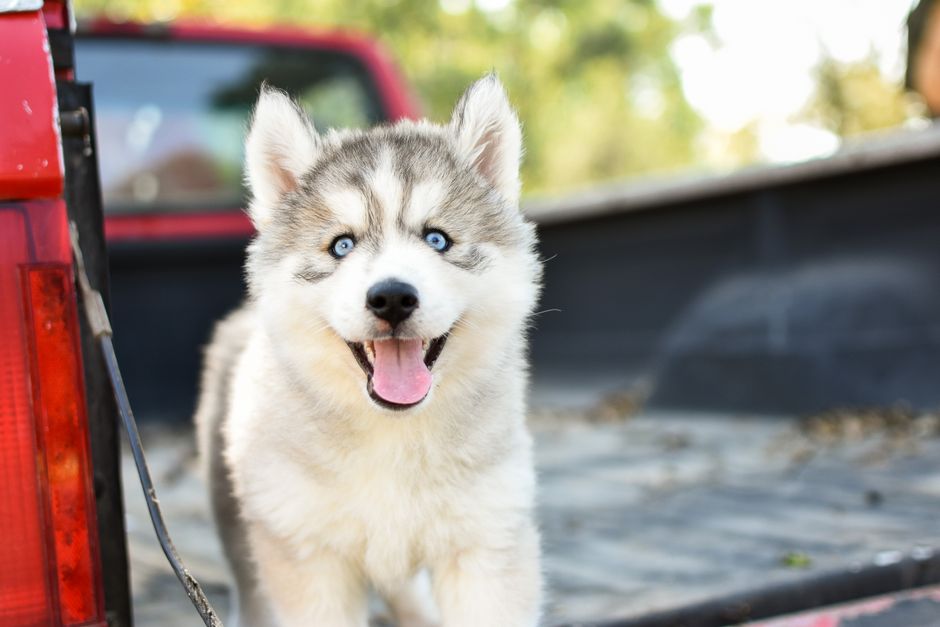
Understanding Husky Vocalizations
Huskies are a vocal breed, and barking is just one of many sounds they make. Here's a breakdown:
- Barks: Short, sharp barks often indicate excitement or alertness. Continuous barking may signal boredom or anxiety.
- Howls: Huskies are famous for their howls, which can be a form of long-distance communication or a response to sirens.
- Whines: Whining usually indicates frustration, fear, or a desire for something (food, walk, attention).
- Rumbles and Groans: Soft vocalizations often accompany relaxation or contentment.
Recognizing these sounds helps you respond appropriately to your puppy's needs.
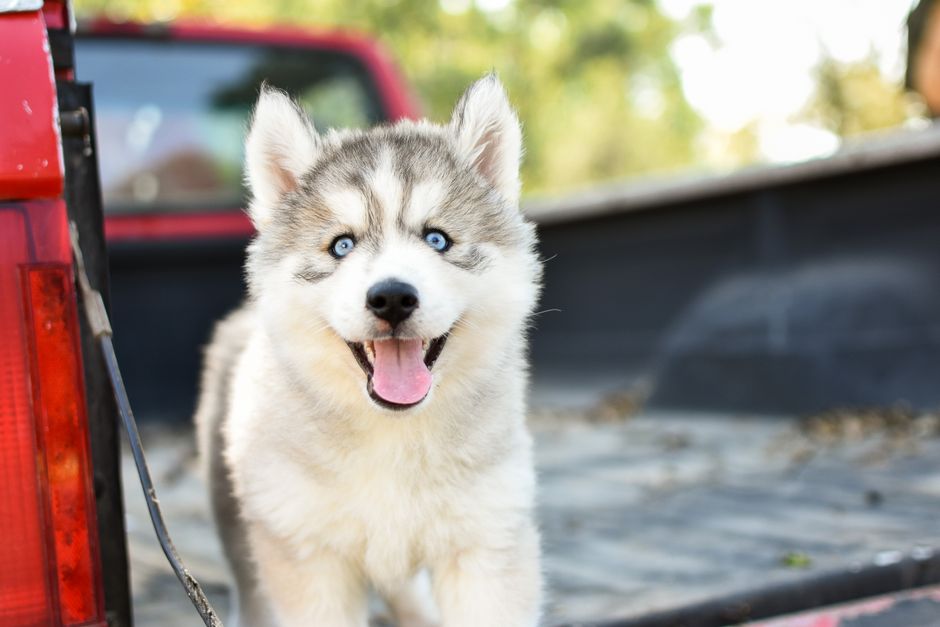
How to Manage Excessive Barking
Managing husky puppy barking requires a combination of environmental management, training, and patience. Here are proven strategies:
Provide Adequate Exercise and Mental Stimulation
A tired husky is a quiet husky. Husky puppies have high energy levels and need daily exercise (walks, runs, play sessions) and mental challenges (puzzle toys, training games). A bored puppy is more likely to bark excessively.
Use Positive Reinforcement Training
Teach your puppy the 'quiet' command using treats and praise. When your puppy barks, wait for a pause, then say 'quiet' and reward. Gradually increase the duration of silence before rewarding.
Desensitize to Triggers
If your puppy barks at specific stimuli (e.g., doorbell, passing dogs), expose them to the trigger at a low intensity while rewarding calm behavior. Slowly increase intensity over time.
Manage the Environment
Limit your puppy's access to windows or doors where they can see triggers. Use white noise machines or calming music to mask outside sounds.
Avoid Punishment
Yelling or punishing your puppy for barking can increase anxiety and worsen the behavior. Instead, focus on rewarding quiet moments.
Training Your Husky Puppy to Be Quiet
Consistent training is essential. Follow these steps:
- Reward Calm Behavior: Whenever your puppy is quiet, offer praise and a treat. This reinforces that silence is rewarding.
- Teach 'Speak' and 'Quiet': First, teach your puppy to bark on cue (say 'speak' when they bark). Then teach 'quiet' by rewarding them when they stop barking after the command.
- Practice in Different Environments: Once your puppy understands the command at home, practice in more distracting settings.
- Use a Cue for Silence: Use a consistent word like 'enough' or 'quiet' and always reward compliance.
- Increase Duration: Gradually extend the time your puppy must be quiet before receiving a reward.
Training sessions should be short (5-10 minutes) and positive. Never force your puppy to the point of frustration.
Common Mistakes to Avoid
- Inconsistency: Allowing barking sometimes but not others confuses your puppy. Set clear rules and stick to them.
- Ignoring the Root Cause: Simply trying to stop barking without addressing the underlying need (e.g., exercise, attention) will not work long-term.
- Using Anti-Bark Devices: Shock collars or spray collars can harm your puppy and damage trust. Positive methods are more effective and humane.
- Over-Attention During Barking: If you give attention when your puppy barks (even negative attention), you reinforce the behavior. Ignore barking and reward silence.
When to Seek Professional Help
If your husky puppy's barking is excessive, doesn't improve with training, or is accompanied by destructive behavior or signs of distress, consult a professional dog trainer or veterinary behaviorist. They can assess for underlying anxiety or other issues and create a tailored plan.
Remember, husky puppies are intelligent and social animals. With patience, understanding, and consistent training, you can manage their barking and enjoy a peaceful relationship. Embrace their vocal nature while guiding them toward appropriate behavior.
Recommended Products for Your Husky
As an Amazon Associate, we earn from qualifying purchases. Learn more.
- Puppy Starter Kit — Check price on Amazon
- Puppy Crate — Check price on Amazon
- Puppy Toys — Check price on Amazon
Frequently Asked Questions
How do I socialize a Husky puppy?
Expose them to sounds, surfaces, people, and calm dogs before 16 weeks. Positive experiences now prevent fear later.
What should I feed a Husky puppy?
A large-breed puppy formula with controlled calcium supports steady growth and lowers dysplasia risk.
When should I spay or neuter?
Many vets suggest 6–12 months for Huskies to protect joint and hormone development. Discuss timing with your vet.
Editor's Note
We've found puppy-proofing saves more than shoes—it saves vet bills. Locked cabinets, cord covers, sago palm removed. The households we set up right in week one never had the ingestion scares the others did.
Sources & Further Reading
HuskySpot researches each topic against recognized breed and veterinary authorities. The following organizations inform our content: