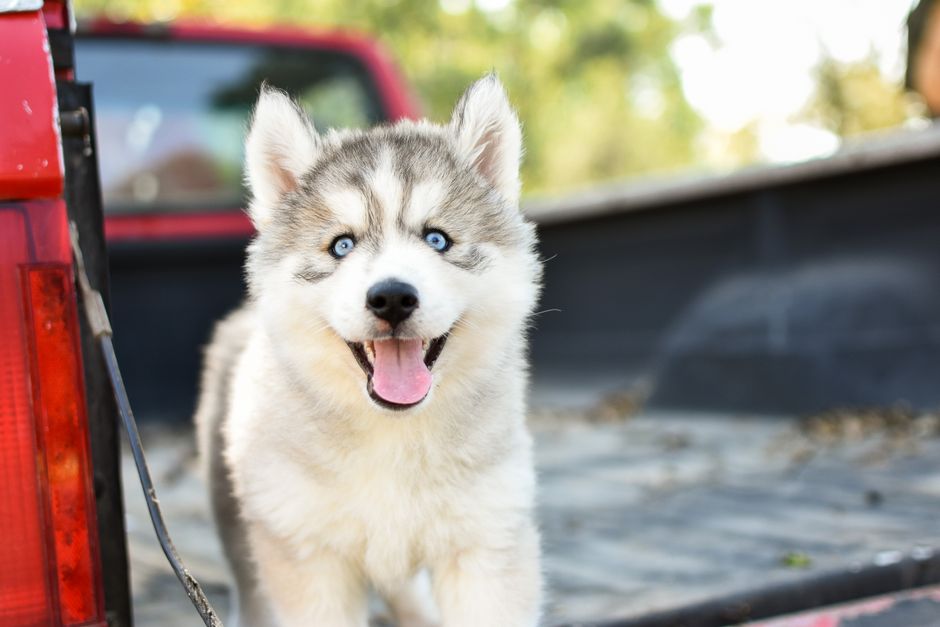
Why Walking Is Crucial for Your Husky Puppy
Siberian Huskies are a high-energy breed known for their endurance and love of running. Starting a proper walking schedule early helps channel that energy, prevents destructive behavior, and strengthens your bond. But husky puppies have delicate growing joints and bones—overdoing it can cause long-term issues. This guide covers age-appropriate distances, training tips, and a sample weekly schedule to set your pup up for success.
Age-Appropriate Walking Schedule
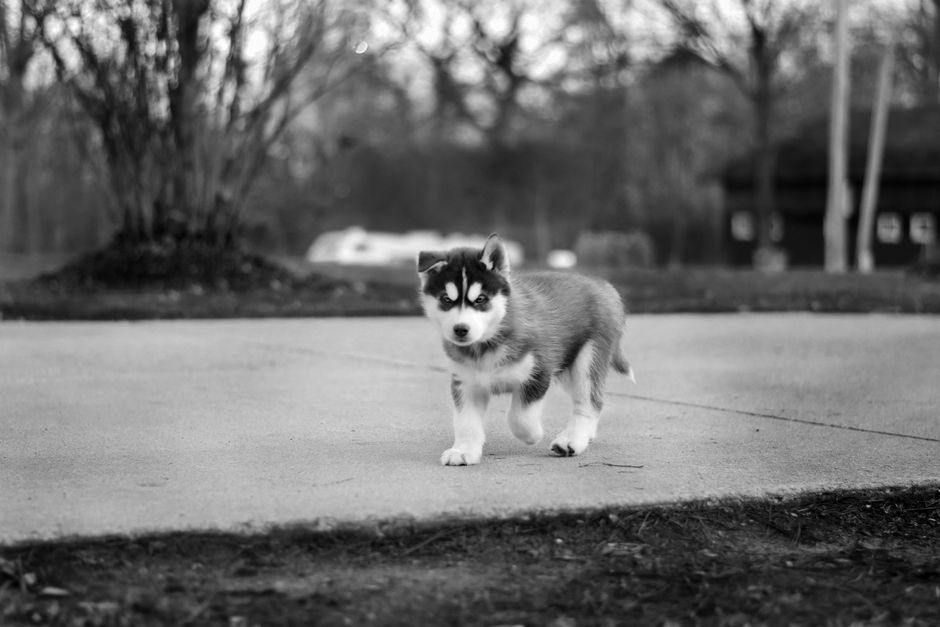
A good rule of thumb is the “5-minute rule”: walk your puppy for 5 minutes per month of age, once or twice a day. Below is a detailed breakdown.
8–12 Weeks Old (First Walks)
At this age, focus on socialization, not distance. Keep walks under 10 minutes. Let your pup explore on a loose leash, and introduce them to different surfaces, sounds, and sights. Carry them if they seem tired. Avoid sidewalks on hot days.
3–4 Months
Increase to 15–20 minute walks, twice a day. Your puppy’s vaccinations should be complete, so you can explore parks and quiet trails. Start basic leash training (see next section). Watch for signs of fatigue like lagging behind or lying down.
4–6 Months
Walks can be 20–30 minutes, twice daily. Begin adding short slow jogs (1–2 minutes) if your vet approves. Continue socialization with other dogs and people. Always end with a calm cool-down.
6–12 Months (Adolescence)
Your husky will have bursts of energy. Walks of 30–45 minutes twice a day are typical. You can incorporate brisk walking, light jogging, or uphill climbs. Monitor joints—avoid repetitive high-impact activities until growth plates close (around 12–18 months).
12+ Months (Adult)
Full-grown huskies need at least 1–2 hours of exercise daily. The walking schedule can include two longer walks (45–60 minutes each) plus off-leash play in a safe area. Always adjust based on weather and your dog’s individual needs.
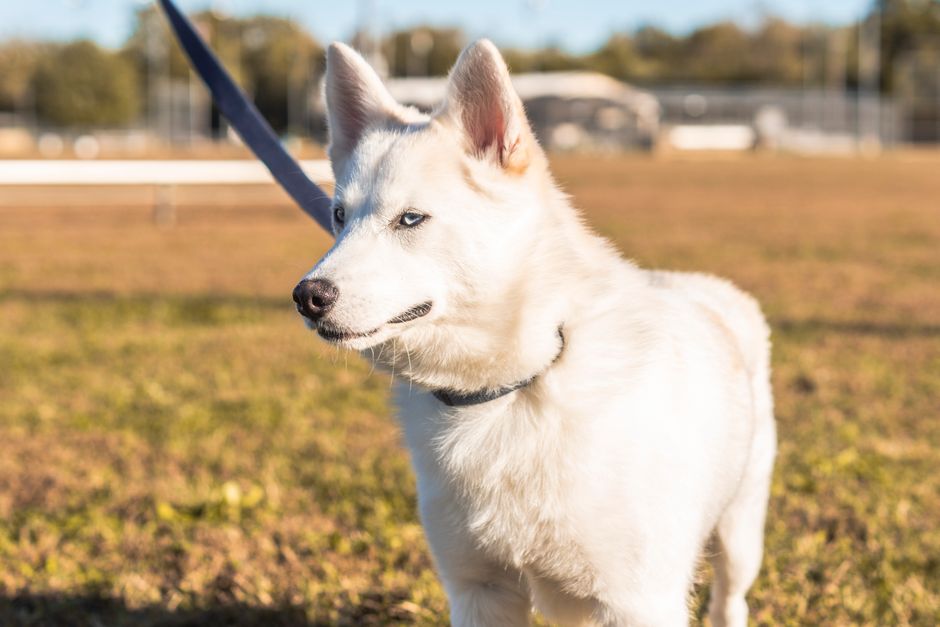
How Long Should You Walk a Husky Puppy?
Use this quick-reference table:
| Age | Total Daily Walk Time | Frequency |
|---|---|---|
| 8–12 weeks | 15–20 min | 2 short walks |
| 3–4 months | 30–40 min | 2 walks |
| 4–6 months | 40–60 min | 2 walks |
| 6–12 months | 60–90 min | 2 walks |
| 12+ months | 90–120+ min | 2–3 walks |
Always split total time into multiple sessions. Puppies have small bladders and need frequent potty breaks.
Leash Training Tips for Husky Puppies
Huskies are independent and strong—start leash training as soon as you bring them home.
- Use a harness, not a collar. A harness protects their neck and reduces pulling. Opt for a front-clip harness for better control.
- Start indoors. Let your puppy wear the harness for short periods. Attach the leash and let them drag it around to get used to the sensation.
- Reward loose leash walking. Every time the leash is slack, offer a high-value treat. Stop walking when they pull—only move forward when the leash loosens.
- Practice “watch me.” Teach your pup to make eye contact on cue. This redirects attention back to you during distractions.
- Be consistent. Use the same commands (“let’s go,” “easy”) and never let pulling succeed in reaching a desired spot.
Exercise Needs vs. Over-Exercise Risks
Husky puppies have boundless energy, but their bones are still developing. Over-exercising can lead to hip dysplasia, elbow dysplasia, and growth plate injuries. Avoid these common pitfalls:
- No forced running. Let your puppy choose the pace. Avoid leashed jogging until they are at least 12 months old.
- No high jumps. Skip agility jumps or rough play on stairs until growth plates close.
- Watch the heat. Huskies are built for cold weather. In warm climates, walk early morning or evening, and always bring water.
- Signs of over-exertion: excessive panting, drooling, unwillingness to walk, limping, or lying down. If you see these, stop and rest.
Mentally stimulating activities (puzzle toys, nose work) are excellent alternatives on rest days.
Safety Tips for Walking Your Husky Puppy
- Paw care: Check paws after walks for cuts or ice buildup. Use paw balm in winter and avoid hot pavement in summer (test with your hand—if it’s too hot for you, it’s too hot for them).
- Identification: Huskies are escape artists. Ensure your puppy wears a collar with ID tags and is microchipped.
- Leash and harness: Use a sturdy 4–6 foot leash (avoid retractable leashes for training). A no-pull harness is recommended.
- Weather extremes: In cold weather, a dog coat may be needed for short-haired puppies. In rain, dry them thoroughly to avoid skin issues.
- Socialization: Expose your puppy to different environments, but avoid crowded dog parks until fully vaccinated and well-behaved on leash.
Sample Weekly Husky Puppy Walking Schedule (4–6 Months)
This schedule balances exercise, training, and rest. Adjust based on your puppy’s energy and your routine.
| Day | Morning Walk | Afternoon/Evening Walk | Notes |
|---|---|---|---|
| Monday | 20 min loose leash | 15 min + 5 min training | Focus on “heel” |
| Tuesday | 25 min slow exploration | 20 min + socialization (meet calm dogs) | Practice greeting |
| Wednesday | 15 min brisk + 10 min sniffing | 20 min play in backyard | Mental stimulation day |
| Thursday | 20 min loose leash | 25 min with short jog (1–2 min) | Only if vet approved |
| Friday | 30 min varied terrain | 15 min + training | Work on recall |
| Saturday | 25 min park visit | 30 min interactive walk | Let puppy choose route |
| Sunday | 15 min easy stroll | 10 min + lots of play | Rest day – mental games |
Conclusion
A well-planned husky puppy walking schedule sets the foundation for a healthy, happy adult dog. Remember to prioritize quality over quantity—focus on leash manners, safety, and bonding. Adjust distances based on your puppy’s individual development, and always consult your veterinarian before starting any strenuous exercise. With patience and consistency, your husky will become a perfect walking companion.
Recommended Products for Your Husky
As an Amazon Associate, we earn from qualifying purchases. Learn more.
- Puppy Starter Kit — Check price on Amazon
- Puppy Crate — Check price on Amazon
- Puppy Toys — Check price on Amazon
Frequently Asked Questions
What should I feed a Husky puppy?
A large-breed puppy formula with controlled calcium supports steady growth and lowers dysplasia risk.
When should I spay or neuter?
Many vets suggest 6–12 months for Huskies to protect joint and hormone development. Discuss timing with your vet.
What should I buy before a Husky puppy?
A crate, chew toys, a harness (not a collar for pulling), a groomer-grade brush, and puppy food. Skip the tiny water bowl — they grow fast.
Editor's Note
One pattern we track: adolescent regression around the first birthday. Training that was solid at eleven months falls apart at thirteen. We warn owners to hold the line, not relax it, and the rough patch passes faster.
Sources & Further Reading
HuskySpot researches each topic against recognized breed and veterinary authorities. The following organizations inform our content: