Bringing home a Siberian Husky puppy is an exciting experience, but it often comes with sleepless nights. Your adorable fur baby may cry, whine, or howl when left alone in their crate or bed. This guide explains why husky puppies cry at night and provides proven solutions to help both you and your puppy get the rest you deserve.
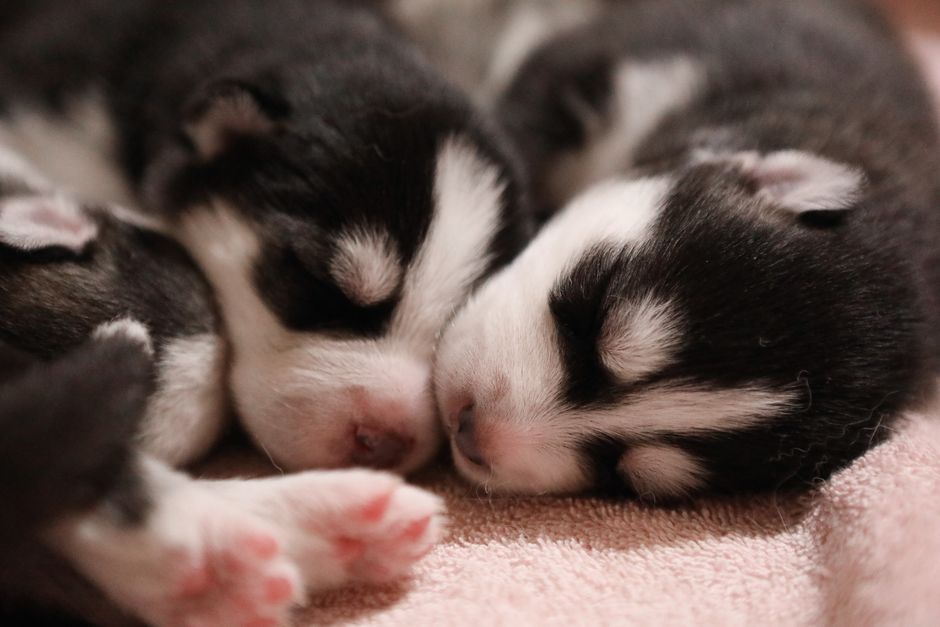
Why Is My Husky Puppy Crying at Night? Understanding the Common Causes
Husky puppies are highly social and intelligent, which means they can be prone to nighttime crying. Common reasons include:
- Separation anxiety: Your puppy may feel scared or lonely when left alone.
- Need to potty: Young puppies have small bladders and may need to go out during the night.
- Hunger or thirst: An empty stomach or dry mouth can disturb their sleep.
- Discomfort: The crate or bed might be too cold, hot, or unfamiliar.
- Teething pain: Teething can cause discomfort, leading to crying.
- Excess energy: A puppy that hasn't burned off energy may be restless.
Understanding the root cause is the first step to solving the problem.
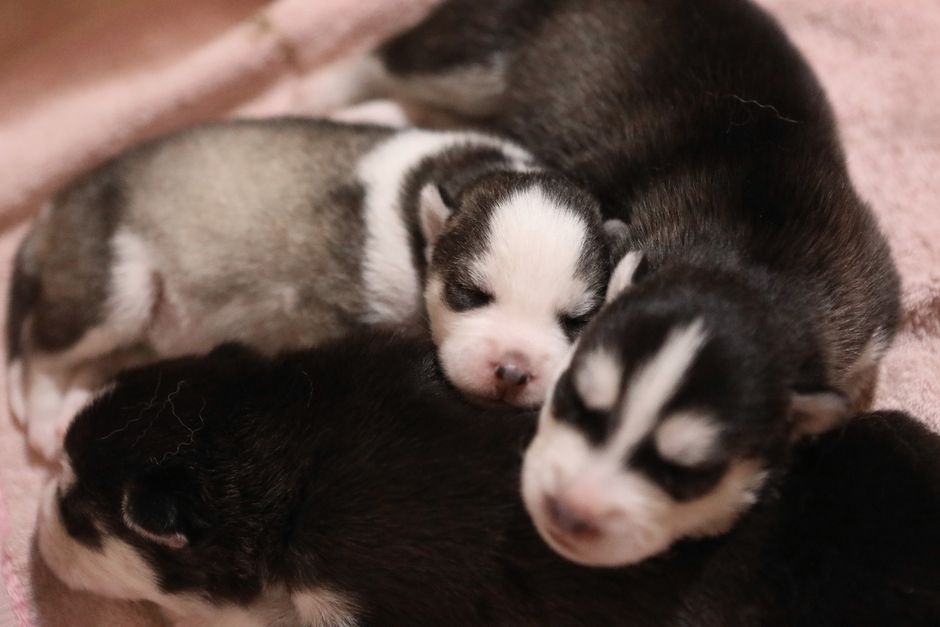
The Importance of Establishing a Bedtime Routine
Dogs thrive on routine. A consistent bedtime ritual signals to your husky puppy that it's time to sleep. Follow these steps:
- Set a fixed bedtime: Choose a time that works for both of you and stick to it every night.
- Wind down: About 30 minutes before bed, reduce activity. Engage in calm play or a gentle training session.
- Last potty break: Take your puppy outside one last time to empty their bladder.
- Provide comfort: Give a safe chew toy or a blanket with your scent.
- Use a cue: Say a phrase like “time for bed” to associate with sleeping.
Consistency helps your puppy feel secure and reduces anxiety.
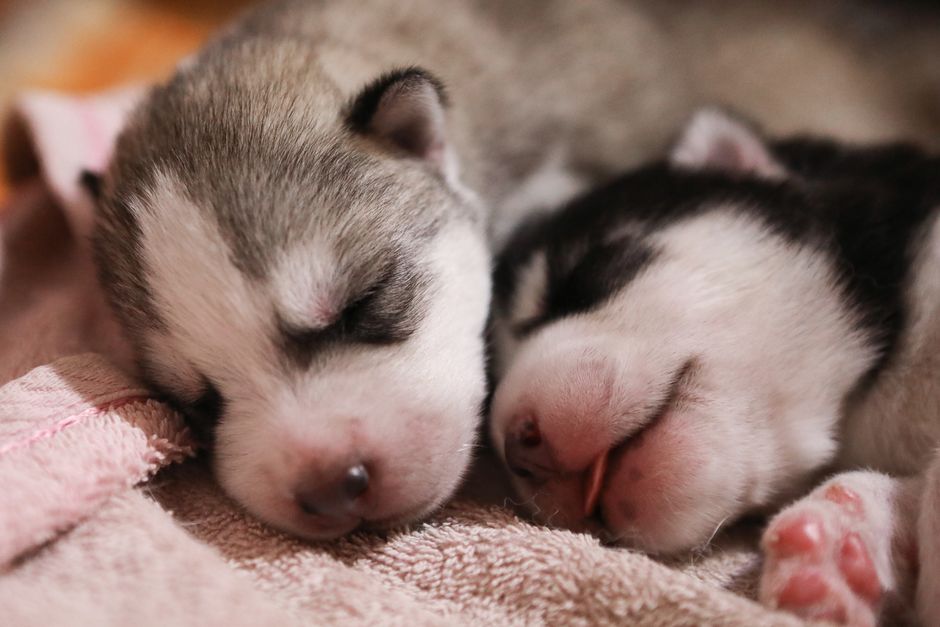
Crate Training Your Husky Puppy for Nighttime Comfort
Crate training provides a den-like space that many puppies find comforting. To make the crate a positive place:
- Introduce gradually: Let your puppy explore the crate during the day with treats and toys.
- Feed meals inside: Place the food bowl near the crate, then gradually move it inside.
- Use positive reinforcement: Reward calm behavior in the crate.
- Keep the crate in your bedroom: Initially, place the crate near your bed so your puppy feels your presence.
- Cover the crate: A light blanket can create a cozy, den-like atmosphere.
| Age | Nighttime Potty Breaks |
|---|---|
| 8-10 weeks | Every 2-3 hours |
| 10-12 weeks | Every 3-4 hours |
| 3-6 months | Once or twice per night |
| 6+ months | Can usually sleep through the night |
Adjust based on your puppy's individual needs.
How to Comfort a Crying Husky Puppy Without Reinforcing the Behavior
It's natural to want to comfort your crying puppy, but you must do it wisely to avoid encouraging the crying. Tips:
- Wait for a pause: If your puppy cries, wait 10-15 seconds for a moment of silence before responding.
- Use a calm voice: Say “quiet” or “good night” in a soothing tone.
- Give a gentle pat: A brief pat through the crate bars can reassure without overstimulating.
- Do not pick up or play: Avoid rewarding crying with attention or playtime.
- Use a comfort object: A stuffed toy or a heartbeat simulator can help.
The goal is to teach your puppy that crying does not lead to immediate attention, but being quiet does.
When to Ignore the Crying and When to Respond
Ignoring can be effective, but only after ensuring needs are met. Follow this decision guide:
- Respond immediately if: Your puppy is very young (under 10 weeks), has not been pottied recently, or sounds distressed (screaming, frantic).
- Try ignoring if: You've just taken them out, they've had food/water, and the cry is a whine or intermittent. Wait for a lull, then reward silence.
- Never ignore a health-related cry: If your puppy is in pain or sick, respond and consult a vet.
Gradually, your puppy will learn that quiet behavior leads to comfort and eventual sleep.
Addressing Separation Anxiety in Husky Puppies
Huskies are pack animals and can develop separation anxiety. Signs include excessive crying, destructive behavior, and panting.
Strategies to reduce anxiety:
- Practice short separations: Leave your puppy alone for a few minutes during the day, then return calmly.
- Use a pheromone diffuser: Products like Adaptil can create a calming environment.
- Provide mental stimulation: Puzzle toys, frozen Kongs, or snuffle mats keep your puppy occupied.
- Consider a companion: If possible, another dog can provide comfort (but only if you're prepared).
For severe cases, consult a professional trainer or veterinarian.
Proper Exercise and Feeding Schedule to Reduce Nighttime Crying
A tired puppy sleeps better. Ensure your husky puppy gets appropriate exercise for their age:
- Age-appropriate exercise: 5 minutes of structured play per month of age, twice a day (e.g., a 3-month-old gets 15 minutes).
- Evening play session: 1-2 hours before bedtime, engage in active play but avoid overstimulation right before.
- Feeding schedule: Feed the last meal at least 2 hours before bed to allow digestion.
- Last water intake: Remove water bowl 1-2 hours before bedtime to reduce nighttime potty needs.
A balanced routine prevents midnight hunger and pent-up energy.
Health Issues That May Cause Nighttime Crying
Sometimes crying is a sign of a medical problem. Watch for:
- Teething pain: Provide frozen teething toys or wet washcloths.
- Ear infections or allergies: Scratching or head shaking may indicate discomfort.
- Gastrointestinal issues: Diarrhea, vomiting, or bloating can cause distress.
- Parasites: Worms can cause abdominal pain.
- Urinary tract infections: Frequent crying and straining to urinate warrant a vet visit.
If your puppy's crying is accompanied by lethargy, loss of appetite, or unusual behavior, consult your veterinarian.
What Not to Do: Common Mistakes Owners Make
- Don't punish crying: Yelling or hitting increases fear and anxiety.
- Don't give in immediately: Rushing to your puppy reinforces that crying gets attention.
- Don't let your puppy sleep in your bed (if you plan otherwise): This can create dependency and make future crate training harder.
- Don't skip the potty break: No matter how tired you are, always take your puppy out before bed.
- Don't change routines: Inconsistency confuses your puppy and prolongs crying.
Avoid these pitfalls to set your puppy up for success.
Frequently Asked Questions about Husky Puppy Crying at Night
How long does it take for a husky puppy to stop crying at night?
Most puppies adjust within a few days to a week with consistent training. Some may take two weeks or longer.
Should I let my husky puppy cry it out?
For short periods, yes. But always ensure basic needs are met first. Extreme or prolonged crying may indicate a problem.
What if my husky puppy cries in the crate but not in my bed?
That's normal. Use crate training techniques to make the crate a positive space. Never give in, or the crying will persist.
Can I use a heating pad or warm water bottle?
Only if it's a pet-safe product. A warm (not hot) water bottle wrapped in a towel can soothe your puppy, but ensure it doesn't cause burns.
When should I seek professional help?
If crying persists for more than 3-4 weeks despite consistent training, or if your puppy shows signs of severe anxiety (destruction, self-harm, loss of appetite), consult a veterinarian or certified dog behaviorist.
Conclusion: Patience and Consistency Are Key
Nighttime crying is a common phase for husky puppies, but with understanding and a structured approach, you can help your puppy sleep through the night. Remember to meet their physical needs, provide a comforting environment, and respond to crying in a way that encourages quiet behavior. Each puppy is different, so be patient and adjust your methods as needed. In a few weeks, you'll both enjoy restful nights and a stronger bond.
Recommended Products for Your Husky
As an Amazon Associate, we earn from qualifying purchases. Learn more.
- Puppy Starter Kit — Check price on Amazon
- Puppy Crate — Check price on Amazon
- Puppy Toys — Check price on Amazon
Editor's Note
We've recommended early socialization classes to every husky puppy owner we work with. The pack-oriented ones who learned dog language young handle the dog park calmly; the isolated ones arrive reactive and stressed.
Sources & Further Reading
HuskySpot researches each topic against recognized breed and veterinary authorities. The following organizations inform our content: