Introduction
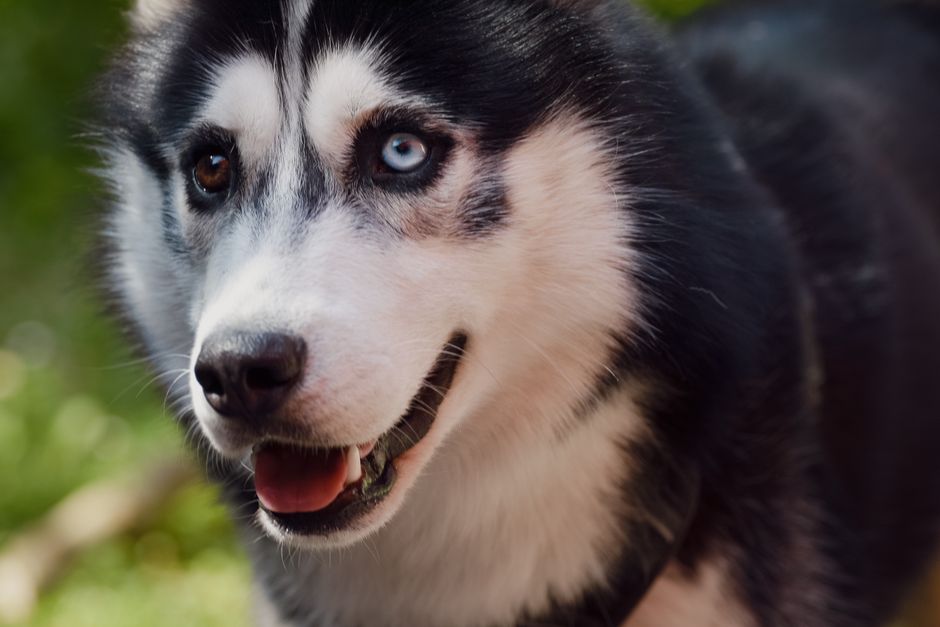
As a Siberian Husky owner, you may notice your dog’s eyes frequently watering—a condition known as epiphora. While occasional tearing is normal, persistent watery eyes can indicate underlying health issues that require attention. This comprehensive guide explores the causes, symptoms, treatments, and prevention of watery eyes in Huskies, helping you keep your furry friend comfortable and healthy.
What Are Watery Eyes in Huskies?
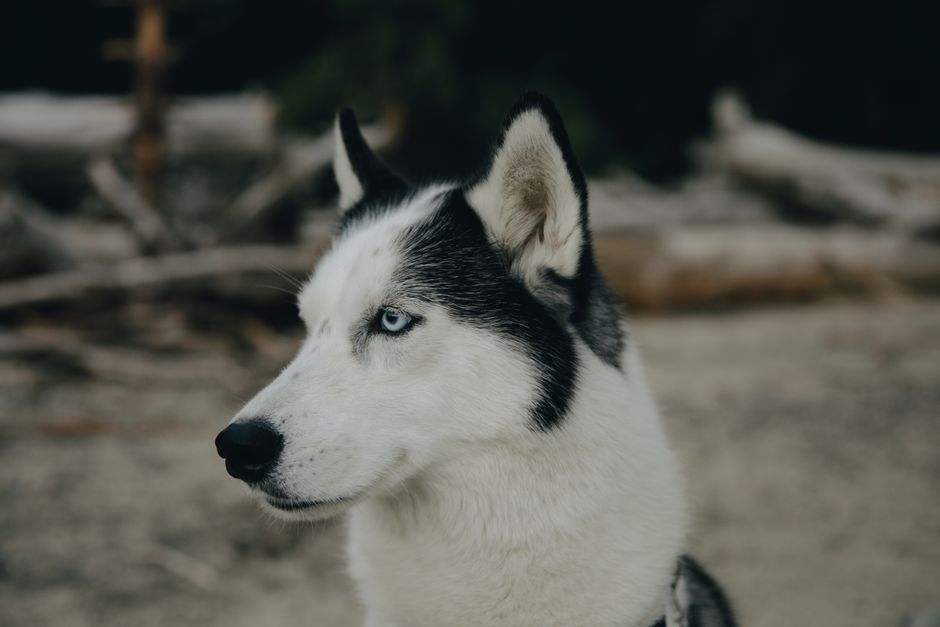
Watery eyes, or epiphora, refers to an overflow of tears onto the face. In Huskies, this often appears as tear stains or dampness around the eyes. Tears normally drain through the nasolacrimal ducts into the nose, but when these ducts are blocked or tear production is excessive, overflow occurs. Huskies are prone to this due to their brachycephalic-like facial structure (though not fully brachycephalic) and genetic predispositions to eye problems.
Common Causes of Watery Eyes in Huskies
1. Allergies
Huskies can suffer from environmental allergies (pollen, dust, mold) or food allergies. Allergic reactions cause inflammation and excessive tearing.
2. Blocked Tear Ducts
Congenital narrow tear ducts or obstructions from debris, infection, or trauma prevent proper drainage, leading to overflow.
3. Eye Infections
Bacterial or viral infections (e.g., conjunctivitis) stimulate tear production. Symptoms often include redness, discharge, and squinting.
4. Corneal Ulcers or Scratches
Foreign objects, trauma, or dry eye can cause corneal damage, triggering reflex tearing. This is painful and requires urgent vet care.
5. Entropion (Inward Rolling Eyelid)
Huskies are predisposed to entropion, where the eyelid rolls inward, causing eyelashes to rub the cornea. This results in chronic irritation and tearing.
6. Dry Eye (Keratoconjunctivitis Sicca)
Autoimmune destruction of tear glands reduces tear production, paradoxically causing sticky discharge and secondary infections that mimic watery eyes.
7. Glaucoma
Increased intraocular pressure causes pain, redness, and tearing. This is an emergency that can lead to blindness.
| Cause | Symptoms | Treatment |
|---|---|---|
| Allergies | Itchy eyes, sneezing, seasonal occurrence | Antihistamines, avoid allergens |
| Blocked tear ducts | Constant tears, no redness | Flushing, surgery if needed |
| Infections | Yellow/green discharge, redness | Antibiotic eye drops |
| Corneal ulcer | Squinting, cloudiness, pawing at eye | Veterinary emergency, medication |
| Entropion | Frequent blinking, tearing | Surgery to correct eyelid |
Symptoms to Watch For
- Persistent wetness or tear stains on the face
- Redness or swelling around the eye
- Discharge (clear, yellow, green, or bloody)
- Squinting or blinking excessively
- Pawing at the eye or rubbing face on surfaces
- Cloudiness or change in eye color
- Visible third eyelid protrusion
Note any changes in behavior, such as decreased appetite or lethargy, as eye pain can cause systemic upset.
When to See a Vet
Immediate veterinary attention is needed if your Husky shows:
- Sudden onset of tearing with squinting or pain
- Yellow/green discharge indicating infection
- Cloudy eyes or visible injury
- Eye bulging or asymmetry
- Loss of appetite or lethargy
For chronic mild tearing, schedule a vet visit within a few days to rule out underlying issues. Delay can worsen conditions like glaucoma or corneal ulcers.
Home Care and Prevention
Regular Grooming
Keep the hair around the eyes trimmed to reduce irritation. Clean the face daily with a warm, damp cloth to prevent tear stain buildup.
Diet and Supplements
Some Huskies benefit from changing to a diet low in common allergens (e.g., chicken, grains). Omega-3 fatty acids can reduce inflammation.
Eye Hygiene
Use vet-approved saline wipes or artificial tears to flush irritants. Never use human eye drops without vet approval.
Environmental Control
Reduce exposure to dust, smoke, and pollen. Use air purifiers and wash bedding frequently.
Treatment Options
Treatment depends on the cause:
- Allergies: Antihistamines (like Benadryl, vet dosing only), immunotherapy, or dietary changes.
- Blocked tear ducts: Vet may flush the ducts under sedation; chronic cases may require surgical placement of a stent.
- Infections: Antibiotic or antifungal ointments/ drops. Complete the full course.
- Corneal ulcers: Topical antibiotics, pain medication, and possibly an Elizabethan collar to prevent rubbing.
- Entropion: Surgical correction is the only permanent solution.
- Dry eye: Life-long use of artificial tears and immunosuppressive drugs like cyclosporine.
- Glaucoma: Emergency treatment to lower pressure; many cases eventually require eye removal.
Always follow your vet’s recommendations and never self-medicate.
Frequently Asked Questions
Q: Are watery eyes normal in Huskies?
A: Occasional tearing is normal, but persistent wetness indicates a problem.
Q: Can I use over-the-counter eye drops?
A: Only saline lubricants are safe. Medicated drops require vet prescription.
Q: How can I prevent tear stains?
A: Keep the face clean, trim hair, and address underlying causes. Some use topical stain removers but treat the root cause first.
Q: Is surgery always needed for blocked tear ducts?
A: No—first flushing may clear the obstruction. Surgery is a last resort.
Conclusion
Watery eyes in your Husky can stem from minor irritations to serious eye diseases. Early detection and proper veterinary care are key to preserving your dog’s vision and comfort. Observe your pet’s eyes daily, keep their face clean, and seek professional advice if symptoms persist. With attentive care, your Husky can enjoy clear, healthy eyes and a happy life.
Recommended Products for Your Husky
As an Amazon Associate, we earn from qualifying purchases. Learn more.
- Healthy Dog Treats — Check price on Amazon
- Dental Chews — Check price on Amazon
- Training Treats — Check price on Amazon
Editor's Note
We've seen coat condition flag internal problems weeks before other symptoms. A suddenly dull, thinning double coat sent three of our clients to the vet for issues nothing else had revealed yet.
Sources & Further Reading
HuskySpot researches each topic against recognized breed and veterinary authorities. The following organizations inform our content: