As a Siberian Husky owner, it can be alarming when your normally energetic and playful dog starts showing signs of illness. One common concern is whether your Husky has caught a cold. While dogs do not catch the same cold viruses as humans, they can suffer from upper respiratory infections that produce similar symptoms. This comprehensive guide will help you identify husky cold symptoms, differentiate them from more serious conditions, and provide effective home care and prevention strategies.
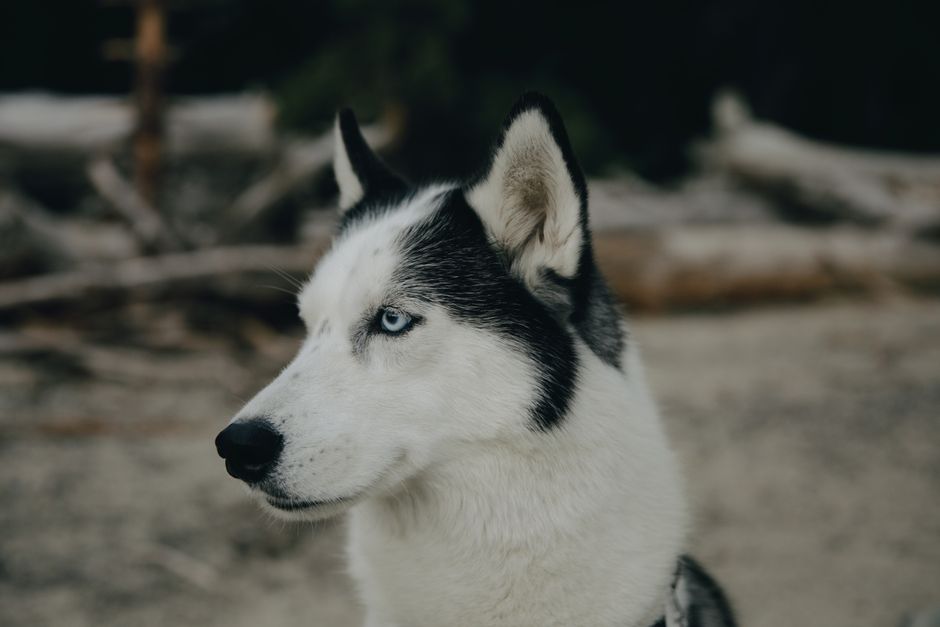
Understanding Canine Colds in Huskies
Canine infectious respiratory disease complex (CIRDC), commonly known as 'kennel cough,' is the primary cause of cold-like symptoms in dogs. Huskies are not immune, especially if they frequent dog parks, boarding facilities, or grooming salons. The condition is usually caused by a combination of viruses (parainfluenza, adenovirus) and bacteria (Bordetella bronchiseptica). It spreads through airborne droplets or contaminated surfaces.
Unlike human colds, which are rarely serious, canine respiratory infections can progress to pneumonia if untreated. However, most healthy adult Huskies recover within 1-2 weeks with proper care.
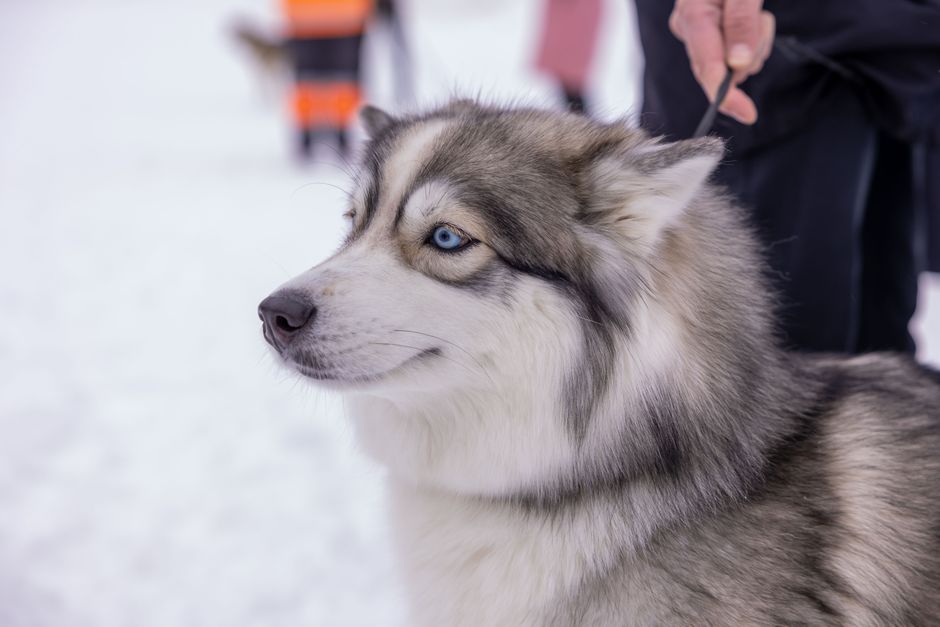
Common Cold Symptoms in Siberian Huskies
Recognizing the signs early can help you take prompt action. Here are the most frequent symptoms:
- Runny nose: Clear or slightly cloudy nasal discharge. If it turns yellow or green, it may indicate a secondary bacterial infection.
- Sneezing: Frequent sneezing, often with nasal discharge.
- Coughing: A dry, hacking cough that may sound like gagging. Unlike kennel cough's classic 'honking' cough, a Husky's cold cough can be milder.
- Watery eyes: Clear discharge from the eyes, sometimes accompanied by redness or swelling.
- Lethargy: Your Husky may be less active and sleep more than usual.
- Loss of appetite: A temporary decrease in interest in food.
- Mild fever: Normal temperature for dogs is 101-102.5°F. Anything above 103°F warrants a vet visit.
- Sore throat: Your dog may swallow frequently, drool, or show discomfort when eating dry food.
Table: Cold Symptoms vs. Serious Illness Indicators
| Symptom | Likely Cold | Possible Serious Issue |
|---|---|---|
| Cough | Dry, occasional, non-productive | Wet, productive, frequent, or honking |
| Nasal discharge | Clear or slightly cloudy | Thick yellow/green, bloody |
| Energy level | Mildly lethargic but still responsive | Extreme fatigue, unresponsive |
| Appetite | Decreased but will still eat treats | Complete refusal to eat or drink |
| Temperature | Below 103°F | Above 103°F, especially with other signs |
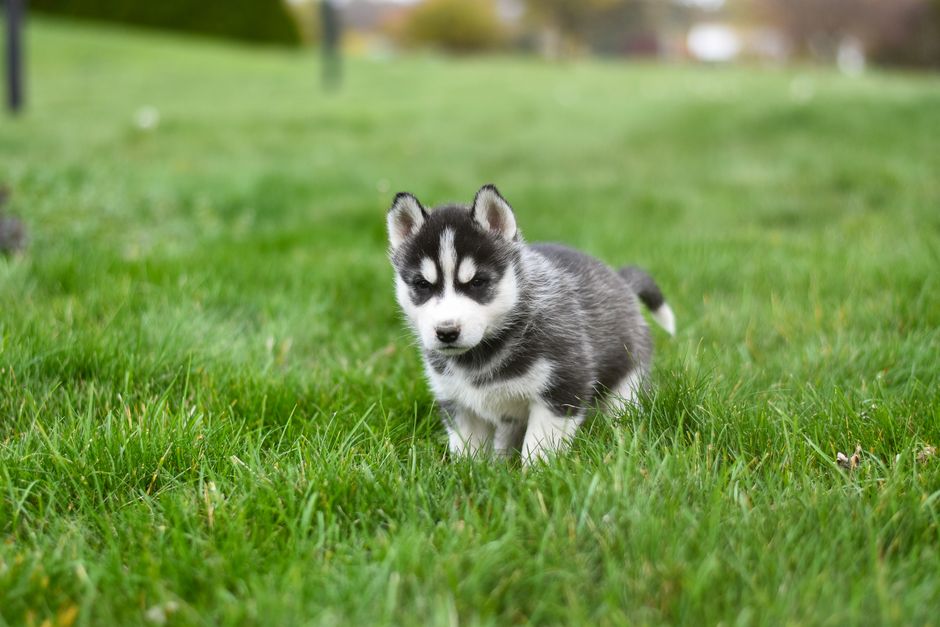
How to Tell If Your Husky Has a Cold vs. More Serious Illnesses
Several conditions mimic cold symptoms. Differentiating them is crucial:
- Kennel Cough: Persistent honking cough, often around other dogs. Vaccination can reduce severity but not guarantee prevention.
- Canine Influenza: High fever, frequent cough, nasal discharge, and sometimes pneumonia. More severe than a cold.
- Allergies: Itchy eyes, sneezing, but usually no fever or lethargy. Seasonal or environmental triggers.
- Distemper (early stage): Runny nose, cough, fever, but also conjunctivitis and lethargy. Unvaccinated dogs at risk.
- Bordetella: Harsh cough, but sometimes mild symptoms like a cold.
If your Husky has a high fever, labored breathing, bloody discharge, or refuses water, seek veterinary care immediately.
Home Care for a Husky with a Cold
Most mild colds resolve with supportive care. Here's how to help your Husky recover:
Rest and Comfort
Ensure a warm, quiet place to sleep away from drafts. Limit exercise to short bathroom breaks only.
Hydration and Nutrition
Encourage drinking. Add low-sodium chicken broth to water if needed. Offer bland food like boiled chicken and rice to stimulate appetite.
Humidity and Steam
Place a humidifier near your Husky's resting area or let them sit in a steamy bathroom for 10-15 minutes to ease congestion.
Cleanliness
Wipe away nasal discharge with a soft, damp cloth. Clean eye discharge with a warm washcloth. Disinfect bedding and toys to prevent reinfection.
Natural Remedies
Honey (0.5-1 tsp for a Husky) can soothe a cough - only if your dog is over 1 year old. Never give honey to puppies under 12 months.
Avoid over-the-counter human cold medications; many are toxic to dogs. Only use vet-approved treatments.
When to See a Veterinarian
Even with home care, certain red flags require professional attention:
- Symptoms worsen after 5-7 days
- High fever >103°F
- Difficulty breathing or noisy breathing
- Refusing food or water for more than 24 hours
- Thick yellow/green or bloody nasal discharge
- Extreme lethargy or collapse
- Coughing up blood
- Underlying health conditions (e.g., heart disease, diabetes)
Your vet may prescribe antibiotics (if bacterial), cough suppressants, or anti-inflammatory medications. They can also run tests to rule out more serious diseases.
Preventing Colds in Siberian Huskies
While you can't eliminate all risks, these steps reduce the chances:
- Vaccinations: Keep upto date with kennel cough, distemper, and influenza vaccines.
- Avoid sick dogs: Skip dog parks if outbreaks occur. Quarantine new dogs for 10-14 days.
- Good nutrition: A balanced diet strengthens the immune system. Consider adding probiotics for gut health.
- Supplements: Some owners use immune boosters like echinacea, but consult your vet first.
- Hygiene: Wash hands after handling other dogs. Disinfect crate bowls and toys regularly.
- Stress reduction: A stressed Husky is more susceptible to illness. Maintain a calm routine.
Frequently Asked Questions
Can I catch a cold from my Husky?
No, human cold viruses do not affect dogs, and canine respiratory viruses are not transmissible to humans.
Can my Husky get cold from being outside in winter?
Cold weather itself doesn't cause a cold, but stress from extreme temperatures can weaken immunity, making them more vulnerable to infections. Provide proper shelter and limited exposure during harsh weather.
How long does a Husky cold last?
Typically 7-14 days. With supportive care, most dogs improve within a week. Persistent symptoms beyond two weeks should be checked by a vet.
Should I give my Husky vitamin C for a cold?
Dogs produce their own vitamin C, so supplementation is rarely needed unless recommended by your vet. High doses can cause digestive upset.
Final Thoughts: Husky cold symptoms can be unsettling, but with careful observation and proper care, your furry friend will likely recover smoothly. Always trust your instincts—if your Husky seems off, a quick vet check can bring peace of mind. Remember, prevention through vaccinations and a healthy lifestyle is the best medicine.
Recommended Products for Your Husky
As an Amazon Associate, we earn from qualifying purchases. Learn more.
- Healthy Dog Treats — Check price on Amazon
- Dental Chews — Check price on Amazon
- Training Treats — Check price on Amazon
Editor's Note
We've noticed senior huskies get written off too soon. The seven-year-old who 'slowed down' often just needed a joint supplement and lighter exercise, not a goodbye. Biannual checks changed outcomes for clients we manage.
Sources & Further Reading
HuskySpot researches each topic against recognized breed and veterinary authorities. The following organizations inform our content: