As a Siberian Husky owner, you rely on your dog's bright, alert eyes to communicate and explore the world. When those eyes turn cloudy, it can be alarming. Cloudy eyes in Huskies are not uncommon, but they can signal anything from normal aging to serious health conditions. This comprehensive guide will help you understand the causes of husky cloudy eyes, what you can do about them, and when to seek veterinary care.
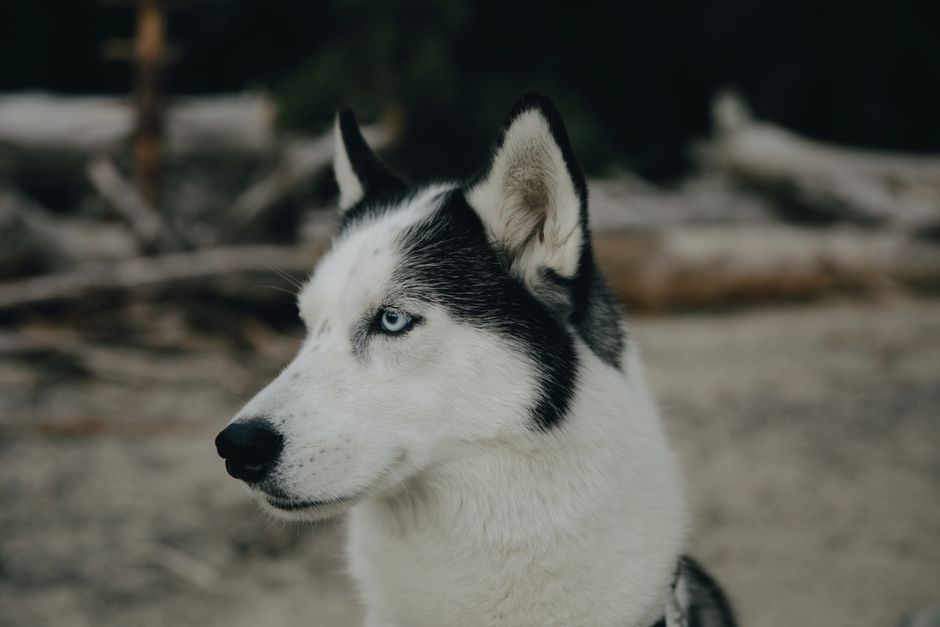
What Are Cloudy Eyes in Huskies?
Cloudy eyes refer to a loss of transparency in one or both of your Husky's eyes, making them appear hazy, milky, or bluish. The cloudiness can be in the cornea (the clear front surface), the lens (inside the eye), or the aqueous humor (fluid within the eye). While some cloudiness is a normal part of aging, it can also indicate disease. Siberian Huskies are predisposed to certain eye conditions due to their genetics, so understanding the possible causes is crucial for timely treatment.
Common Causes of Cloudy Eyes in Siberian Huskies
Here are the most frequent reasons for cloudy eyes in Huskies, ranging from benign to serious:
1. Cataracts
Cataracts are a leading cause of cloudy eyes in Huskies. They occur when the lens of the eye becomes opaque, blocking light from reaching the retina. Hereditary cataracts are common in the breed, often appearing before one year of age. They can also develop due to diabetes, trauma, or old age. Cloudiness from cataracts is usually white or grayish and can progress to complete blindness if untreated. Surgical removal is the only effective treatment.
2. Nuclear Sclerosis
Nuclear sclerosis (also called lenticular sclerosis) is a normal age-related change where the lens becomes denser and slightly bluish-gray. It typically affects dogs over six years old. Unlike cataracts, nuclear sclerosis does not severely impair vision, and the dog can still see well. It appears as a uniform haze throughout the lens. No treatment is needed, but regular vet check-ups are important to distinguish it from cataracts.
3. Glaucoma
Glaucoma is a painful condition caused by increased pressure within the eye (intraocular pressure). This pressure damages the optic nerve and can lead to blindness. Cloudiness in glaucoma often comes with redness, squinting, tearing, and a dilated pupil. Primary glaucoma is inherited in Siberian Huskies, making them prone. Emergency veterinary care is required to reduce pressure and save vision. Treatment includes medications and sometimes surgery.
4. Corneal Edema
Corneal edema occurs when fluid accumulates in the cornea, causing a hazy, blue appearance. It can result from trauma, infection, ulcers, or endothelial dystrophy. Huskies with corneal edema may also show blinking, tearing, or rubbing the eye. If the underlying cause is treated (e.g., antibiotic for infection, surgery for corneal ulcer), the cloudiness may improve. Chronic cases might need specialized eyedrops.
5. Uveitis
Uveitis is inflammation of the inner eye, often causing a cloudy, red, or painful eye. It can be triggered by infections, autoimmune disease, trauma, or cancer. In addition to cloudiness, you might notice squinting, light sensitivity, and a small pupil. Treating uveitis involves addressing the cause and using anti-inflammatory medications. Untreated uveitis can lead to glaucoma or cataracts.
6. Dry Eye (Keratoconjunctivitis Sicca)
Dry eye results from insufficient tear production, leading to inflammation and corneal damage. The eye may appear dull, red, and cloudy with a thick, sticky discharge. Siberian Huskies can develop immune-mediated dry eye. Treatment includes artificial tears and medications to stimulate tear production. Managing dry eye prevents secondary infections and cloudiness.
Symptoms to Watch For
Cloudiness alone may not tell the whole story. Look for accompanying signs that indicate severity:
- Eye redness or swelling
- Excessive tearing or discharge
- Squinting or blinking more than usual
- Rubbing the eye against surfaces
- Bumping into objects or hesitation in new environments
- Change in eye color (bloodshot, yellowish)
- Pupil size asymmetry or change in shape
If your Husky shows any of these alongside cloudiness, see a vet promptly.
Diagnosing Cloudy Eyes in Huskies
Your veterinarian will perform a thorough eye exam, including:
- Slit-lamp examination: to evaluate the cornea, lens, and anterior chamber.
- Tonometry: to measure intraocular pressure (to rule out glaucoma).
- Schirmer tear test: to check tear production (for dry eye).
- Fluorescein stain: to detect corneal ulcers or scratches.
- Ophthalmoscopy: to examine the retina and optic nerve.
Blood tests may be recommended if systemic disease (like diabetes) is suspected.
Treatment Options for Cloudy Eyes
Treatment depends entirely on the cause:
| Cause | Treatment |
|---|---|
| Cataracts | Surgical removal (phacoemulsification) – highly effective if caught early. |
| Nuclear sclerosis | None needed; monitor annually. |
| Glaucoma | Emergency: reduce pressure with topical medications (e.g., dorzolamide, timolol), oral drugs, or surgery. |
| Corneal edema | Treat underlying cause; hyperosmotic eyedrops (e.g., sodium chloride 5%) to reduce swelling. |
| Uveitis | Anti-inflammatory drops (steroids or NSAIDs), plus treatment of root cause. |
| Dry eye | Artificial tears, cyclosporine (Optimmune) to stimulate tears, antibiotics for infection. |
Always follow your vet's prescription. Some conditions require life-long management.
When to See a Veterinarian
You should schedule a veterinary appointment immediately if:
- The cloudiness appears suddenly
- Your Husky seems painful (squinting, pawing at eye)
- There is redness or discharge
- You notice vision loss
- The eye looks bulging or asymmetrical
Even gradual cloudiness in an older dog should be checked annually to differentiate normal aging from disease.
Preventing Eye Problems in Your Husky
While not all eye conditions can be prevented, these steps reduce risks:
- Breed from health-tested parents: Ensure your Husky's parents have been screened for hereditary eye diseases (e.g., by the Canine Eye Registration Foundation - CERF).
- Regular veterinary exams: Annual eye exams help catch issues early.
- Proper nutrition: A balanced diet rich in antioxidants (vitamins C, E, beta-carotene) supports eye health.
- Avoid trauma: Keep your Husky away from hazards like sharp objects and rough play that could injure the eye.
- Clean environment: Keep sleeping areas free of dust and irritants.
- Monitor for allergies: Allergies can lead to eye rubbing and secondary infections.
If your Husky has a known predisposing condition like dry eye, follow your vet's maintenance plan diligently.
Frequently Asked Questions
Are cloudy eyes in Huskies always a sign of blindness?
No. Nuclear sclerosis does not significantly affect vision, and early cataracts may still allow some sight. However, advanced cataracts, glaucoma, and severe corneal disease can cause blindness. Prompt diagnosis improves outcomes.
Can diet cure cataracts in Huskies?
No. There is no evidence that diet reverses cataracts. Surgery is the only proven treatment. However, a healthy diet may slow progression of other eye diseases.
Is surgery safe for older Huskies?
Yes, cataract surgery is safe for most healthy older dogs. Your vet will perform a pre-anesthetic workup to assess risk.
How can I tell if my Husky is in pain from cloudy eyes?
Signs include squinting, tearing, rubbing the eye, avoiding light, or acting lethargic. If you observe these, seek immediate veterinary care.
Your Siberian Husky's eyes are a window to their health. By understanding the causes of cloudy eyes and acting quickly, you can help your Husky maintain good vision and comfort. Always consult your veterinarian for any eye concerns, and keep up with regular check-ups to catch problems early.
Recommended Products for Your Husky
As an Amazon Associate, we earn from qualifying purchases. Learn more.
- Healthy Dog Treats — Check price on Amazon
- Dental Chews — Check price on Amazon
- Training Treats — Check price on Amazon
Editor's Note
Our editors keep a poison cheat-sheet on the fridge: grapes, xylitol, onions, antifreeze. We've talked more than one panicked owner down from a grape incident. Knowing the number for poison control beats Googling it mid-crisis.
Sources & Further Reading
HuskySpot researches each topic against recognized breed and veterinary authorities. The following organizations inform our content: