Spring is a beautiful time of year, but for many Siberian Huskies, it brings a season of discomfort due to allergies. Just like humans, dogs can suffer from seasonal allergies triggered by pollen, mold, and other environmental factors. While Huskies are generally healthy dogs, their thick double coat and sensitive skin can make them prone to allergic reactions. This guide will help you recognize, treat, and prevent spring allergies in your Husky, ensuring they enjoy the season as much as you do.
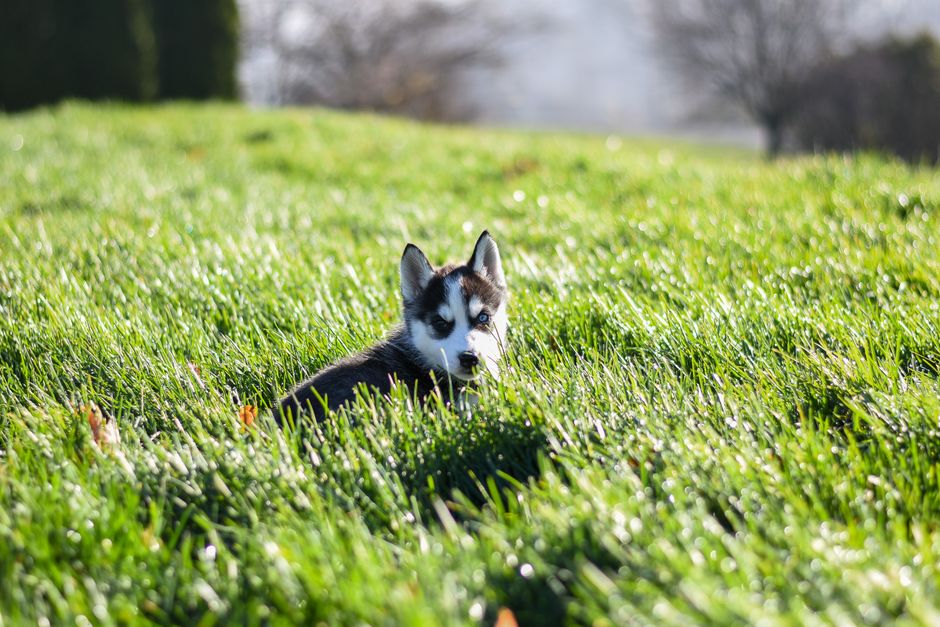
What Are Spring Allergies in Huskies?
Spring allergies in Huskies are hypersensitive reactions to environmental allergens that are more prevalent during the spring months. These allergens enter the body through inhalation, skin contact, or ingestion, triggering an immune response. Unlike food allergies, which occur year-round, seasonal allergies are typically cyclical. Huskies with atopic dermatitis (a genetic predisposition to allergies) are especially vulnerable. The condition is often referred to as canine atopy.
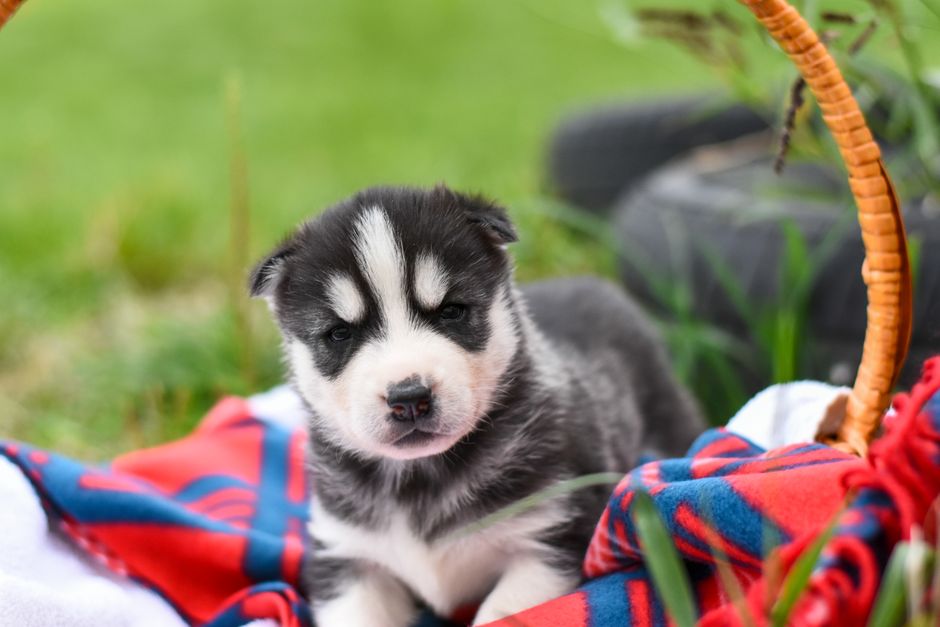
Common Symptoms of Spring Allergies in Huskies
Recognizing the signs early can help you manage your Husky's discomfort. Symptoms may vary from mild to severe and often affect the skin, ears, and respiratory system.
- Excessive scratching, licking, or chewing – especially on paws, belly, armpits, and face.
- Red, inflamed, or flaky skin – hot spots may develop from constant chewing.
- Itchy, runny eyes – conjunctivitis or watery discharge.
- Sneezing and coughing – nasal discharge or reverse sneezing.
- Ear infections – recurrent yeast or bacterial infections due to inflammation.
- Hair loss – thinning patches from excessive grooming.
- Changes in behavior – restlessness, irritability, or lethargy.
Because Huskies have a dense coat, allergies may go unnoticed until the dog is groomed or bathed. Regular skin checks are recommended.
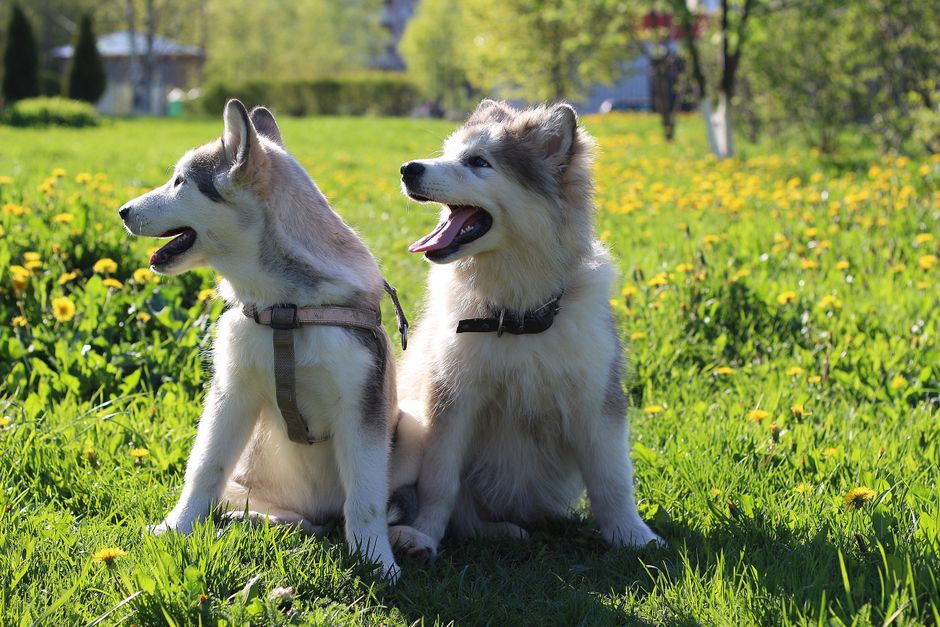
Common Spring Allergens Affecting Huskies
Several environmental triggers peak during spring. Here is a table of the most common allergens:
| Allergen | Source | Peak Period |
|---|---|---|
| Tree pollen | Oak, birch, maple, cedar | Early spring |
| Grass pollen | Timothy, Bermuda, ryegrass | Late spring |
| Weed pollen | Ragweed, sagebrush | Late summer/fall (but can start in spring) |
| Mold spores | Damp soil, compost, decaying leaves | Warm, wet weather |
| Dust mites | Indoor dust – levels increase with spring cleaning | Year-round, but spring cleaning stirs them up |
Additionally, flea allergies can mimic seasonal allergies, as fleas become more active in spring. Ensure your Husky is on year-round flea prevention.
How to Diagnose Spring Allergies in Your Husky
If you suspect your Husky has spring allergies, a veterinarian will conduct a thorough examination. Diagnosis typically involves ruling out other causes first:
- Eliminate fleas and parasites – check for flea dirt and skin scrapes.
- Skin cytology – to identify bacterial or yeast infections secondary to allergies.
- Food elimination trial – to rule out food allergies (8-12 weeks on a novel protein diet).
- Allergy testing – either intradermal skin testing or blood (serum) IgE testing. Skin testing is more accurate for environmental allergies.
Note that testing is not always necessary; if symptoms are seasonal and respond to antihistamines, a presumptive diagnosis of seasonal allergies can be made.
Treatment and Management Options
Managing spring allergies in Huskies involves a combination of medical treatment and environmental control. Because Huskies have a tendency toward skin dryness, choose treatments that do not strip natural oils.
Veterinary Treatments
- Antihistamines – commonly used include Benadryl (diphenhydramine) or Zyrtec (cetirizine). Always consult your vet for proper dosing, as some antihistamines are not safe for dogs.
- Omega-3 fatty acids – fish oil supplements can reduce inflammation and improve skin barrier function.
- Topical therapies – medicated shampoos (e.g., with oatmeal, chlorhexidine, or ketoconazole) and sprays to soothe itchy skin.
- Steroids – prednisone or other corticosteroids for severe cases, but long-term use is avoided due to side effects.
- Immunotherapy (allergy shots or drops) – desensitization therapy tailored to your dog's specific allergens; highly effective but requires commitment.
- Newer options – Apoquel (oclacitinib) and Cytopoint (lokivetmab) are targeted treatments that relieve itching quickly with fewer side effects than steroids.
Home Remedies and Prevention
- Regular bathing – once a week during allergy season using a hypoallergenic or medicated shampoo. Avoid over-bathing, as it can dry out the skin.
- Wipe paws after walks – use a damp cloth or pet-safe wipes to remove pollen from fur and between toes.
- Use a HEPA air purifier – indoors to reduce airborne allergens.
- Keep windows closed – on high pollen days.
- Wash bedding weekly – in hot water with hypoallergenic detergent.
- Groom regularly – brushing removes loose fur and allergens trapped in the coat. Use a deshedding tool.
- Consider a diet rich in antioxidants – blueberries, sweet potatoes, and leafy greens can support the immune system.
- Moisturize dry nose and paws – with coconut oil or pet-safe balms.
When to See a Veterinarian
While mild allergies can be managed at home, certain signs warrant professional attention:
- Intense scratching causing self-trauma (sores, bleeding)
- Hair loss in patches
- Chronic ear infections
- Lethargy or loss of appetite
- Difficulty breathing
- Signs of secondary skin infection (pus, odor, crusting)
A veterinarian can provide a definitive diagnosis and create a tailored treatment plan. Allergies left untreated can lead to permanent skin damage and behavioral issues.
Frequently Asked Questions
Can Huskies grow out of spring allergies?
No, generally dogs do not outgrow allergies. Allergies tend to worsen with age as the immune system accumulates sensitivities.
Are some Husky lines more prone to allergies?
Yes, there is a genetic component. Working line Huskies may have fewer skin issues than show lines, but any Husky can develop allergies.
Can I give my Husky human antihistamines?
Only under veterinary guidance. Some human antihistamines (like Claritin) contain xylitol or other toxic ingredients. Benadryl (diphenhydramine) is generally safe but dosage is weight-dependent.
Is it safe to use essential oils for Husky allergies?
Many essential oils are toxic to dogs, especially if ingested or applied undiluted. Always consult a holistic veterinarian before using alternative therapies.
By understanding your Husky's unique needs and taking proactive steps, you can help them thrive during spring. With the right combination of treatment and management, your Siberian Husky can enjoy the blooming season allergy-free.
Recommended Products for Your Husky
As an Amazon Associate, we earn from qualifying purchases. Learn more.
- Husky Care Essentials — Check price on Amazon
- Best-Selling Dog Gear — Check price on Amazon
- Newest Husky Products — Check price on Amazon
Editor's Note
We've seen coat condition flag internal problems weeks before other symptoms. A suddenly dull, thinning double coat sent three of our clients to the vet for issues nothing else had revealed yet.
Sources & Further Reading
HuskySpot researches each topic against recognized breed and veterinary authorities. The following organizations inform our content: