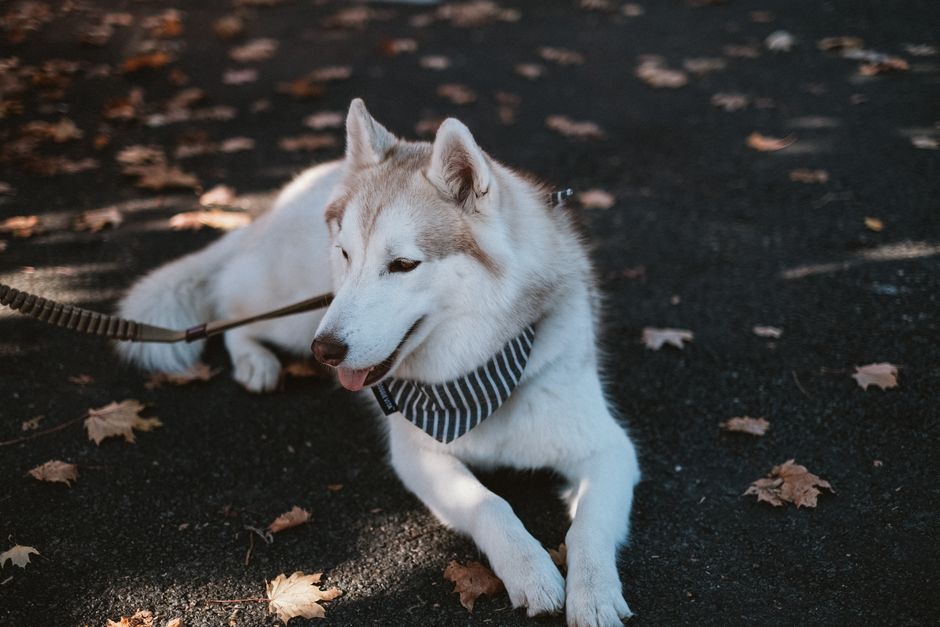
Understanding Husky Shedding
Siberian Huskies are renowned for their stunning double coats, but with that beauty comes a significant amount of shedding. Unlike many breeds that shed lightly throughout the year, Huskies are seasonal shedders, meaning they blow their entire undercoat two to three times a year. This guide will help you handle the shedding season, manage the fur, and keep your Husky healthy and comfortable.
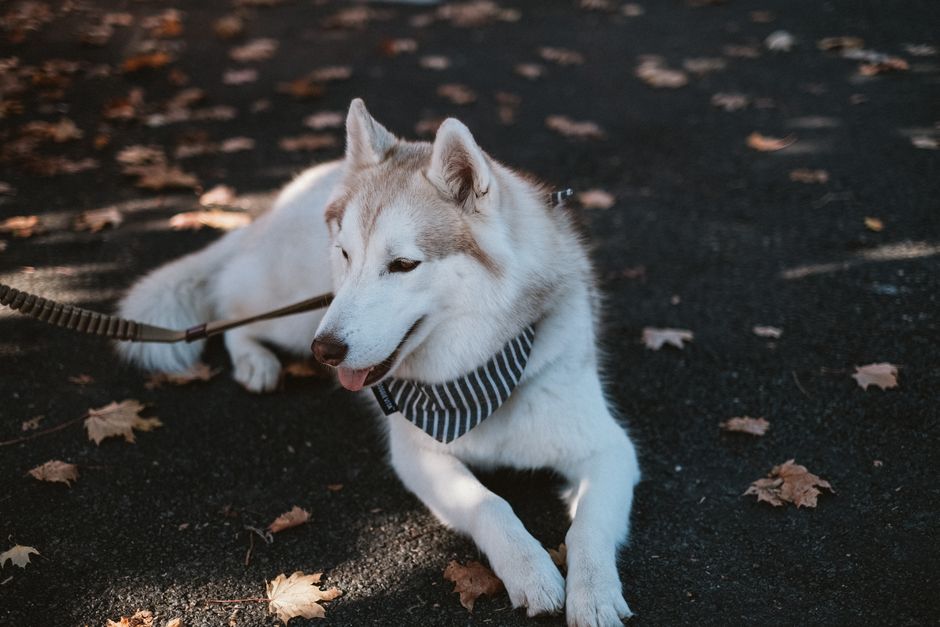
When Does Shedding Season Occur?
Huskies typically shed heavily in the spring (as temperatures rise) and again in the fall (as they prepare for winter). Some may also have a less intense shed in the summer. The exact timing depends on climate, genetics, and individual factors. In warmer regions, shedding can be more frequent.
| Season | Shedding Intensity | Duration |
|---|---|---|
| Spring | Heavy (blowing winter coat) | 3-4 weeks |
| Fall | Heavy (growing winter coat) | 3-4 weeks |
| Year-round | Light to moderate | Continuous |
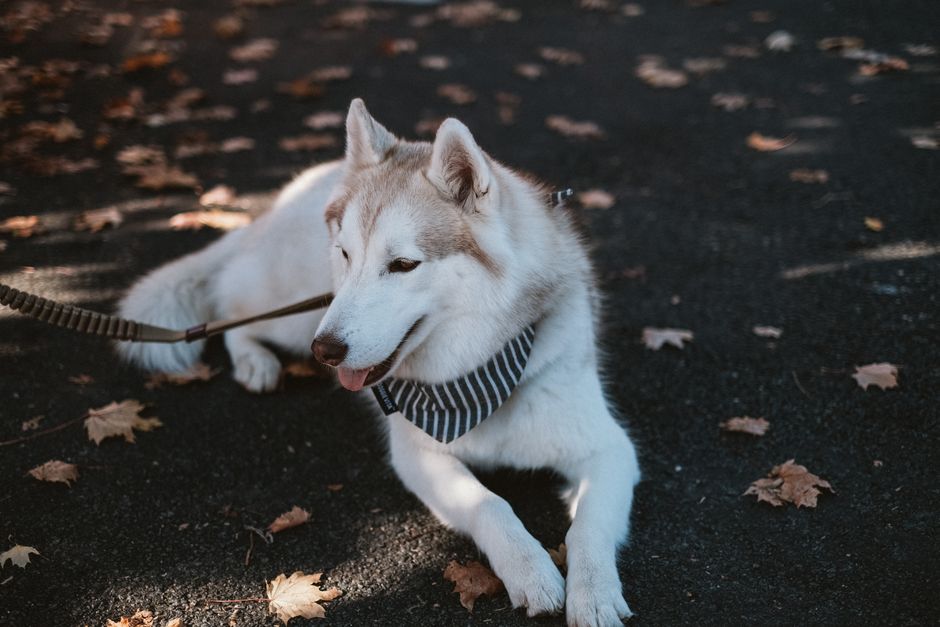
How Much Do Huskies Shed?
Prepare for a lot of fur! During peak shedding, you can easily fill a trash bag with fur from a single brushing session. The undercoat is fine and fluffy, while the guard hairs are longer and coarser. Expect fur tumbleweeds around your home, even with regular vacuuming.
Managing Shedding: Grooming Tips
Brushing
Brushing is your best defense against fur everywhere. Use an undercoat rake or a slicker brush to remove loose hair. During shedding season, brush daily. For maintenance, twice a week is sufficient.
- Undercoat rake: Best for removing dead undercoat.
- Slicker brush: Good for detangling and removing surface hair.
- Furminator: Use with caution (can damage coat if overused).
Bathing
Bathing your Husky 2-3 times during heavy shedding helps loosen fur. Use a gentle dog shampoo and conditioner. Follow up with a thorough blow-dry (cool setting) to blow out more loose hair.
Diet and Supplements
A healthy diet reduces excessive shedding. Ensure your Husky gets high-quality protein, omega-3 and omega-6 fatty acids, and essential vitamins.
- Omega-3 supplements (fish oil): Improves coat health and reduces inflammation.
- Biotin and zinc: Support hair growth.
- Hydration: Always provide fresh water.
Dealing with Fur Around the Home
Invest in a good vacuum (pet-specific), use lint rollers, and wash bedding and furniture covers frequently. Air purifiers can help reduce airborne fur and dander. Consider using furniture covers or slipcovers.
When to Worry About Excessive Shedding
While shedding is normal, sudden or patchy hair loss could indicate health issues like allergies, parasites, or hormonal imbalances. Consult a vet if you notice bald spots, skin irritation, or changes in behavior.
Conclusion
Husky shedding season is manageable with the right tools and routine. Embrace the fluff and a healthy coat means a happy Husky. Regular grooming not only reduces shedding but strengthens your bond with your dog.
Real Owner Experiences: Navigating Husky Health Challenges
Learning from other owners' experiences with husky health issues can help you recognize problems early and advocate effectively at the vet:
Eye Issues: Early Detection Stories
Many husky owners report that eye problems were first noticed as subtle changes: "I noticed a slight cloudiness in her left eye in certain lighting that wasn't there before"—caught a juvenile cataract at 18 months, surgery preserved vision. "He started hesitating on stairs at night when he'd always raced down"—diagnosed with progressive retinal atrophy at age 5. "She was squinting and tearing from one eye, and I almost dismissed it as allergies"—corneal ulcer that required emergency treatment. The lesson from these stories: annual CERF exams by a veterinary ophthalmologist are not optional for huskies. Your regular vet's eye exam during an annual visit is not equivalent to a specialist evaluation.
Skin Problems: The Diagnostic Journey
Skin issues in huskies are notoriously difficult to diagnose because symptoms overlap. One owner's experience: "We spent two years treating 'allergies' with apoquel, cytopoint, special shampoos, and elimination diets. Nothing worked consistently. A new vet tested for zinc deficiency, and within six weeks of zinc supplementation, her skin was 90% improved. She had zinc-responsive dermatosis, not allergies, the entire time." Key takeaway: If standard allergy treatments aren't working, ask about ZRD testing. Similarly, hypothyroidism in huskies often presents as skin problems (hair loss, recurrent infections) rather than the classic weight gain. A full thyroid panel (not just T4) is warranted for persistent skin issues.
Pet Insurance for Huskies: Is It Worth It?
Based on claims data analysis and owner experiences, pet insurance is strongly recommended for Siberian Huskies. A breed predisposed to eye conditions (cataract surgery: $3,000-5,000 per eye), orthopedic issues (hip dysplasia management: $1,500-6,000; TPLO surgery for CCL tears: $3,500-6,000), and skin conditions (chronic management of ZRD, allergies, hot spots), a single major health event can exceed years of premiums. Recommended coverage: 80-90% reimbursement, annual deductible of $250-500, and unlimited annual coverage if available. Enroll when your husky is young and healthy—pre-existing conditions are not covered. Companies frequently recommended by husky owners: Trupanion (direct vet payment option), Healthy Paws (no payout limits), and Embrace (wellness rewards add-on). Average premium for a young healthy husky: $35-60/month.
Building a Relationship With Your Vet
Husky owners recommend: Schedule "happy visits"—brief, treat-filled vet visits when nothing is wrong, so your husky doesn't associate the clinic only with scary procedures. Bring a list of questions and concerns—don't rely on memory during a rushed appointment. Ask for a written summary of findings and recommendations. If you're not comfortable with your vet's experience with northern breeds, seek a second opinion—it's your right as a pet owner. Know your nearest 24-hour emergency vet before you need it. Keep your husky's medical records (vaccination history, blood work results, medication history) in a folder or accessible digital format.
Scientific Background and Research
Understanding the science behind husky care helps owners make informed decisions rather than following trends or myths. Here is what peer-reviewed veterinary research tells us about caring for Siberian Huskies:
- Exercise physiology: A 2020 study published in the Journal of Veterinary Internal Medicine examined the metabolic adaptations of sled dogs, finding that huskies can burn up to 12,000 calories per day during peak working conditions—roughly 8 times their resting metabolic rate. This extreme metabolic flexibility is unique among dog breeds and explains why pet huskies with inadequate exercise often develop behavioral problems—their bodies are primed for work that never comes.
- Cold adaptation: Research from the University of Alaska Fairbanks documented that Siberian Huskies can maintain core body temperature at ambient temperatures as low as -60°F (-51°C) through a combination of their double coat, countercurrent heat exchange in their paws, and metabolic heat production. This adaptation means huskies are far more comfortable in cold than most owners realize—and conversely, they struggle more in heat than many realize.
- Genetic diversity: A 2015 study in PLOS Genetics analyzing the genomes of 161 dog breeds found that Siberian Huskies retain more ancestral genetic diversity than most modern breeds, sharing more DNA with the 35,000-year-old Taimyr wolf than breeds like German Shepherds or Golden Retrievers. This genetic heritage may explain many breed-specific traits, including their independence, problem-solving ability, and strong prey drive.
- Coat genetics: The distinctive husky coat is controlled by multiple genes, including MC1R (red/yellow pigment), ASIP (agouti banding), and MITF (white spotting). A 2018 study by Embark Veterinary identified the genetic basis for blue eyes in huskies as a duplication near the ALX4 gene on chromosome 18—a mutation absent in most other blue-eyed breeds.
Step-by-Step Action Plan
Use this practical, evidence-based approach to apply the information in this guide:
- Week 1: Assessment. Evaluate your husky's current situation objectively. Write down what is working and what is not. Track symptoms, behaviors, or feeding patterns for at least 7 days before making changes. Use a journal or phone notes to record observations.
- Week 2: Baseline. Establish a consistent routine before introducing changes. Same feeding times, same exercise schedule, same training protocols. You cannot measure improvement without a stable baseline.
- Week 3-4: Implement one change at a time. Whether it is a new diet, a new training method, or a new supplement, change only ONE variable. Changing multiple things simultaneously makes it impossible to know what helped or hurt.
- Week 5-6: Evaluate results. Compare your husky's condition or behavior to the baseline. Are things improving, staying the same, or getting worse? Document objectively—photos, videos, and notes are more reliable than memory.
- Week 7-8: Adjust or continue. If improvement is seen, stay the course. If not, adjust ONE variable and repeat the evaluation cycle. If problems persist or worsen, consult your veterinarian with your documented observations—this information is invaluable for diagnosis.
Warning Signs: When to Seek Immediate Help
While many husky care issues can be managed at home with proper knowledge, certain signs demand professional intervention—today, not next week:
- Any sudden behavior change, especially in an adult dog (possible neurological issue, pain, or illness)
- Loss of appetite for more than 48 hours (huskies are self-regulating eaters, but prolonged refusal is abnormal)
- Diarrhea combined with vomiting (rapid dehydration risk)
- Blood in stool or vomit
- Pale or blue-tinged gums (emergency—indicates poor oxygenation or blood loss)
- Distended, hard abdomen with unproductive retching (possible bloat—immediate emergency)
- Any eye issue involving cloudiness, squinting, discharge, or visible third eyelid—eye problems in huskies can progress from minor to blinding within 24-48 hours
- Limping that persists more than 48 hours or any non-weight-bearing lameness
- Seizures, collapse, or loss of consciousness
- Difficulty breathing, excessive panting without exercise, or respiratory distress
Cost Considerations and Budgeting
Responsible husky ownership requires financial preparation. Here is a realistic breakdown of costs associated with the topics covered in this guide:
- Prevention is cheaper than treatment. Annual checkups ($200-400), quality food ($400-600/year), and preventatives ($200-400/year) cost far less than treating advanced disease. A single emergency surgery (foreign body removal: $1,500-4,000; GDV surgery: $3,000-6,000) costs more than 5-10 years of preventive care.
- Training investment pays lifelong dividends. A 6-week group training class ($150-300) prevents behavioral problems that would cost thousands in property damage, professional behaviorist fees, or—worst case—surrender to a shelter.
- Equipment quality matters. Spending $50 on a durable harness that lasts 3 years is cheaper than replacing a $20 harness every 6 months. Investing in a high-quality crate prevents escape-related injuries and destruction.
- Insurance or savings? Pet insurance ($35-60/month) provides predictable costs for unpredictable events. Alternatively, setting aside $50-100/month in a dedicated pet emergency fund builds a safety net. Either approach is valid—having neither is not.
- Budget for the unexpected. Even with insurance or savings, budget for deductibles ($250-500/incident), co-pays (10-20%), and items insurance does not cover (pre-existing conditions, preventive care on some plans, prescription food).
Additional Resources and Continuing Education
Staying informed is one of the best things you can do for your husky. Recommended resources:
- Veterinary resources: Veterinary Partner (veterinarypartner.vin.com)—vet-reviewed articles on hundreds of conditions. American Kennel Club Canine Health Foundation (akcchf.org)—research updates on breed-specific health issues.
- Training and behavior: American Veterinary Society of Animal Behavior (avsab.org)—position statements on training methods backed by science. Fear Free Pets (fearfreepets.com)—certification program for low-stress handling, with resources for owners.
- Breed community: Siberian Husky Club of America (shca.org)—the AKC parent club, with breeder referrals and health information. Local husky meetup groups—find them on Meetup.com or Facebook. Shared experiences with local owners are invaluable.
- Nutrition: Tufts University Petfoodology (vetnutrition.tufts.edu)—evidence-based pet nutrition information from board-certified veterinary nutritionists. World Small Animal Veterinary Association (wsava.org)—global nutrition guidelines.
- Emergency preparedness: ASPCA Animal Poison Control (888-426-4435)—save this number in your phone. Pet Poison Helpline (855-764-7661)—alternative poison control. Know the location and phone number of your nearest 24-hour emergency veterinary hospital.
FAQ
How do I know if I am doing enough for my husky?
Signs you are meeting your husky's needs: healthy weight with visible waist and palpable ribs; minimal destructive behavior; willingness to engage in training; relaxed body language at home; consistent appetite and normal stools; good coat condition without excessive shedding or skin issues. If you are checking off most of these, you are likely doing a great job. Huskies that are under-exercised, under-stimulated, or nutritionally deprived will show you—through behavior, coat condition, and overall demeanor.
What is the single most important thing I can do for my husky's health and happiness?
Consistency. Consistent exercise. Consistent training. Consistent feeding. Consistent veterinary care. Huskies thrive on routine and predictability. When their physical and mental needs are met consistently, most behavioral and health problems either never develop or are far easier to manage. The husky owners who struggle the most are usually those with inconsistent schedules, rules, and attention. The ones who thrive have made their husky's needs a consistent, non-negotiable part of their daily lives.
Recommended Products for Your Husky
As an Amazon Associate, we earn from qualifying purchases. Learn more.
- Husky Care Essentials — Check price on Amazon
- Best-Selling Dog Gear — Check price on Amazon
- Newest Husky Products — Check price on Amazon
Editor's Note
We've handled the bloat scare more times than we can count. The rule we drilled into every client: no exercise for an hour after meals. A distended belly with unproductive retching is an ER trip, not a wait-and-see.
Sources & Further Reading
HuskySpot researches each topic against recognized breed and veterinary authorities. The following organizations inform our content: