As a devoted Siberian Husky owner, you want to provide the best care for your spirited and intelligent companion. One of the most important aspects of responsible pet ownership is regular veterinary care. But how often should Huskies visit the vet? The answer depends on several factors, including your Husky's age, health status, and lifestyle. This comprehensive guide will break down the ideal vet visit schedule for Huskies at every life stage, along with practical tips to keep your furry friend healthy and happy.
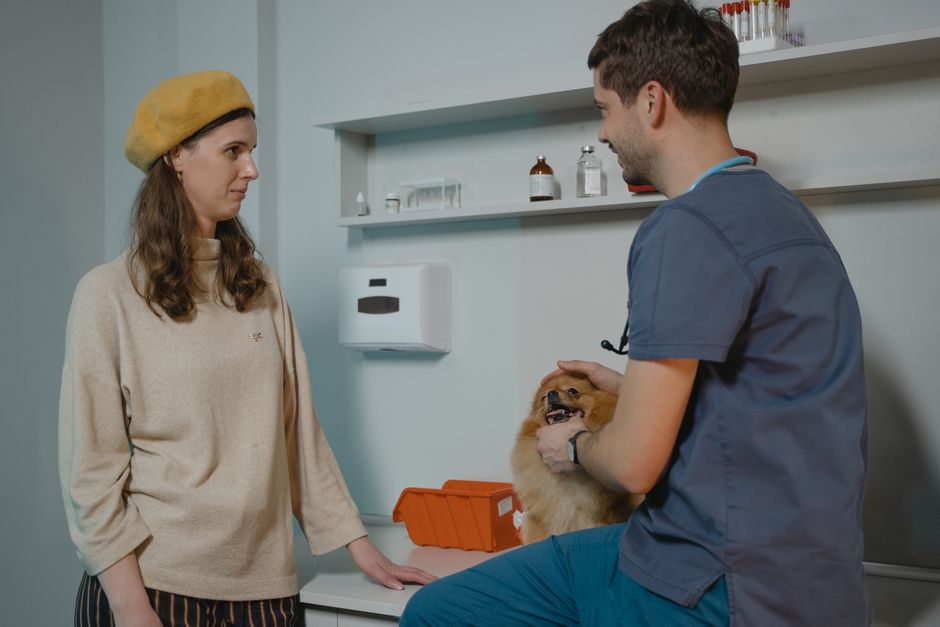
General Guidelines for Vet Visit Frequency
For most healthy Huskies, the standard recommendation is an annual wellness exam. However, puppies, seniors, and dogs with chronic conditions may require more frequent visits. Here's a quick overview:
| Life Stage | Recommended Frequency |
|---|---|
| Puppy (0-1 year) | Every 3-4 weeks until 16-20 weeks old for vaccinations; then at 6 months for spay/neuter |
| Adult (1-7 years) | Annual wellness exam |
| Senior (7+ years) | Twice yearly |
These are general guidelines. Your veterinarian may recommend a different schedule based on your Husky's individual needs.
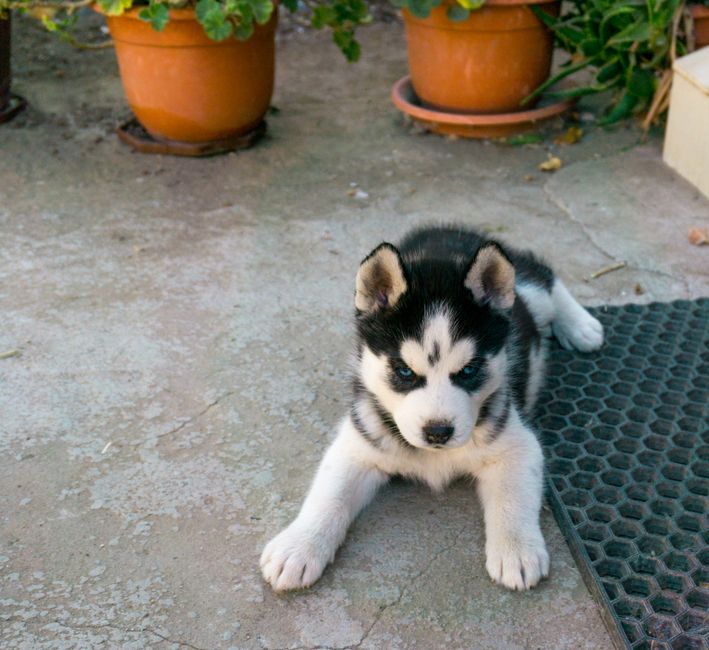
Puppy Vet Visits: Building a Foundation for Health
Your Husky puppy will need several vet visits in their first few months to ensure they start life healthy. The typical schedule includes:
- First visit (6-8 weeks): Initial examination, deworming, and first round of vaccinations (DHPP).
- Follow-up visits (every 3-4 weeks until 16-20 weeks): booster vaccinations, fecal exams, and discussions about diet, behavior, and training.
- 6-month visit: Spay or neuter surgery is often performed at this age, along with a pre-surgical exam.
Puppies are particularly vulnerable to infectious diseases, so completing the vaccination series on time is crucial. Your vet will also check for common puppy issues like parasites, hip dysplasia (common in Huskies), and dental development.
Vaccination Schedule for Husky Puppies
Your vet will follow a standard vaccination protocol, but Huskies may have specific needs. Core vaccines include distemper, parvovirus, adenovirus, and rabies. Non-core vaccines (e.g., bordetella) may be recommended if your Husky will be around other dogs frequently.
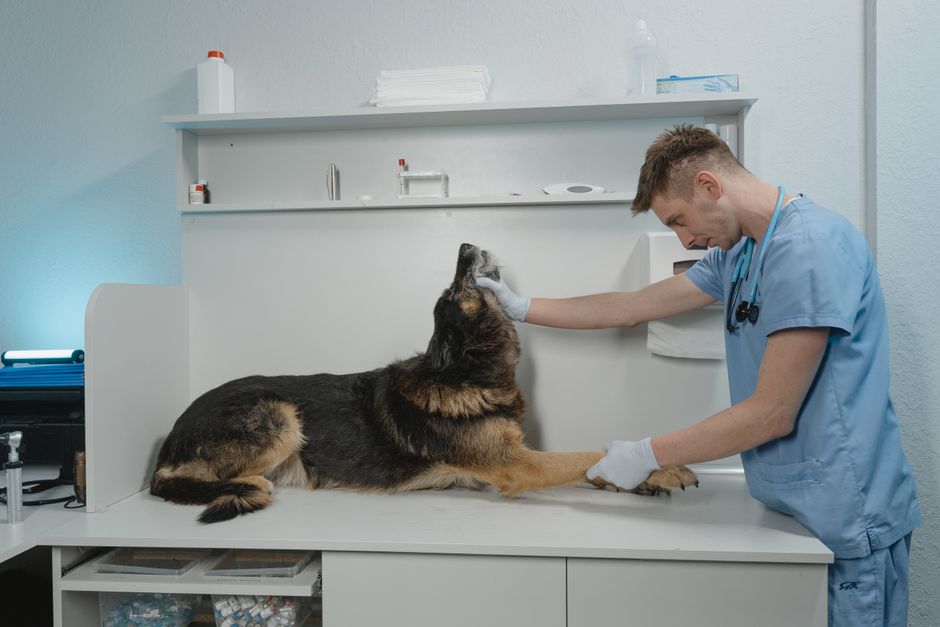
Adult Husky Vet Visits: Annual Checkups Matter
Once your Husky reaches adulthood (1-7 years), annual vet visits are typically sufficient. However, don't skip these appointments—they are key to catching potential problems early. During a wellness exam, your vet will:
- Perform a thorough physical examination (eyes, ears, teeth, heart, lungs, joints, skin).
- Update vaccinations as needed (usually every 1-3 years depending on the vaccine).
- Test for heartworms and parasites (yearly fecal exam).
- Discuss nutrition, weight management, and exercise.
- Perform blood work if recommended, especially for Huskies predisposed to certain conditions.
Huskies are generally hardy dogs, but they are prone to hip dysplasia, eye disorders (cataracts, progressive retinal atrophy), and autoimmune diseases. Annual exams allow your vet to monitor for these issues.
Senior Husky Vet Visits: Twice a Year for Optimal Health
Huskies are considered seniors at around 7 years of age. Larger breeds often age faster, and your vet may recommend twice-yearly visits. Senior checkups are more comprehensive and may include:
- Blood and urine tests to assess organ function (kidneys, liver, thyroid).
- Dental cleaning or assessment for periodontal disease.
- Joint evaluation for arthritis (common in older Huskies).
- Weight and muscle condition checks.
- Vision and hearing tests.
Early detection of age-related diseases can significantly improve your Husky's quality of life. Your vet may also adjust diet and supplements (e.g., glucosamine) to support aging joints.
Factors That Influence Vet Visit Frequency
While the above schedules are standard, several factors may require more frequent visits:
- Chronic health conditions: Huskies with allergies, epilepsy, hypothyroidism, or other ongoing issues need regular monitoring.
- Lifestyle: If your Husky is highly active, participates in dog sports, or goes to daycare, they may need more frequent parasite checks and physical exams to prevent injuries.
- Travel: If you plan to travel with your Husky, you may need health certificates or additional vaccinations.
- Breed-specific concerns: Huskies are predisposed to certain conditions like zinc-responsive dermatitis and eye problems. Your vet might recommend more frequent eye exams.
Signs Your Husky Needs an Unscheduled Vet Visit
Even with regular checkups, you should watch for these signs that warrant an immediate vet visit:
- Lethargy or sudden decrease in energy
- Loss of appetite or weight loss
- Vomiting or diarrhea lasting more than 24 hours
- Coughing, sneezing, or nasal discharge
- Limping or reluctance to move
- Frequent urination or accidents in the house
- Excessive scratching, hair loss, or skin redness
- Eye discharge, cloudiness, or squinting
- Behavioral changes (aggression, anxiety, confusion)
Trust your instincts—if something seems off, it's better to be safe and schedule a visit.
What to Expect During a Routine Vet Visit
Knowing what happens during a vet visit can ease both you and your Husky's anxiety. Here's a typical flow:
- Check-in: Provide an update on your Husky's diet, exercise, and any changes since the last visit.
- Physical exam: The vet will check your Husky from nose to tail, including temperature, heart rate, and respiration.
- Vaccinations: If due, vaccines will be administered.
- Diagnostics: Fecal exam, blood work, or urine test if recommended.
- Discussion: The vet will share findings and answer your questions.
- Plan: Schedule next visit and any follow-up treatments (e.g., dental cleaning).
Preparing Your Husky for a Vet Visit
Huskies can be strong-willed and sometimes anxious. Make the experience positive:
- Socialize your Husky to being handled early (touch their paws, ears, mouth).
- Bring high-value treats to reward calm behavior.
- Use a harness instead of a collar for better control.
- Visit the vet clinic for a non-urgent visit just to say hello and get treats.
- Stay calm yourself—your Husky picks up on your emotions.
Cost of Vet Visits and How to Afford Them
Vet care can be expensive, but regular checkups are an investment in your Husky's health. Typical costs:
- Puppy series: $300–$600 total (vaccines, exams, deworming).
- Annual wellness exam: $50–$150 per visit.
- Vaccinations: $20–$60 each (core vaccines).
- Senior blood work: $100–$300.
- Dental cleaning: $300–$1,500 (depending on complexity).
To manage costs, consider pet insurance, which can cover unexpected illnesses and injuries. Some clinics offer wellness plans that bundle care for a monthly fee. You can also set aside a pet emergency fund.
Conclusion
So, how often should Huskies visit the vet? For most, annual checkups are the baseline, but puppies and seniors need more frequent care. By adhering to a proper vet visit schedule, you can catch health issues early, ensure your Husky stays up to date on vaccinations, and build a trusting relationship with your veterinarian. Remember, your Husky relies on you to advocate for their health—regular vet visits are a key part of that responsibility. Combine them with a healthy diet, regular exercise, and lots of love, and your Siberian Husky will thrive for many years to come.
Recommended Products for Your Husky
As an Amazon Associate, we earn from qualifying purchases. Learn more.
- Husky Care Essentials — Check price on Amazon
- Best-Selling Dog Gear — Check price on Amazon
- Newest Husky Products — Check price on Amazon
Frequently Asked Questions
Are Huskies prone to eye problems?
Yes — cataracts and progressive retinal atrophy occur in the breed. Annual eye exams by a veterinary ophthalmologist are wise.
How do I maintain dental health?
Brush teeth 2–3 times weekly, offer dental chews, and schedule professional cleanings. Small breeds aren't the only ones with tartar.
What flea and tick prevention is best?
Oral or topical preventives from your vet beat OTC products. Tick-borne disease is rising in many Husky-friendly climates.
Editor's Note
We've noticed senior huskies get written off too soon. The seven-year-old who 'slowed down' often just needed a joint supplement and lighter exercise, not a goodbye. Biannual checks changed outcomes for clients we manage.
Sources & Further Reading
HuskySpot researches each topic against recognized breed and veterinary authorities. The following organizations inform our content: