Understanding Your Husky's Skin
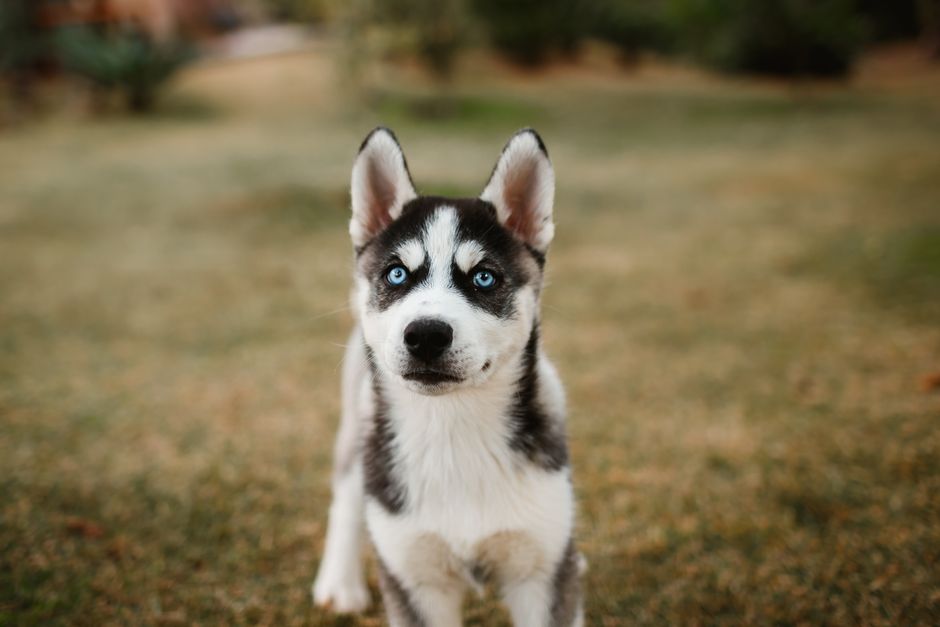
The Siberian Husky is a double-coated breed with a thick undercoat and a longer topcoat. Their skin is naturally rich in oils that help repel dirt and water. However, this unique coat can also trap moisture and debris, making Huskies prone to skin infections. A healthy husky skin should be pink or black (depending on pigmentation), free of flakes, bumps, or redness.
Common Causes of Skin Infections in Huskies
Huskies can develop skin infections due to several factors:
- Allergies: Food allergies (e.g., chicken, beef, grains) or environmental allergens (pollen, dust mites) can cause itching and secondary infections.
- Moisture: Incomplete drying after swimming or bathing can lead to bacterial or fungal overgrowth.
- Parasites: Fleas, mites (demodex, sarcoptes), and ticks can trigger intense scratching and infection.
- Hormonal Imbalances: Hypothyroidism or Cushing's disease can weaken skin defenses.
- Poor Nutrition: Deficiencies in omega-3 fatty acids, zinc, or vitamin E impair skin health.
Types of Skin Infections
Bacterial Infections (Pyoderma)
Superficial bacterial infections cause pustules, red bumps, and crusting. Deep pyoderma can lead to painful boils and draining tracts. Common bacteria include Staphylococcus pseudintermedius.
Fungal Infections (Yeast Dermatitis)
Malassezia yeast overgrowth results in greasy, smelly skin with red-brown staining, especially in folds and ears. It often accompanies allergies.
Parasitic Infections
Mange (demodectic or sarcoptic) causes hair loss, intense itching, and scabbing. Ringworm (dermatophytosis) is a contagious fungal infection that creates circular bald patches.
Symptoms to Watch For
Early detection is key. Common signs include:
- Excessive scratching, licking, or biting at skin
- Redness, bumps, pustules, or crusts
- Hair loss, especially patchy areas
- Greasy or flaky skin
- Unpleasant odor (yeasty or musty)
- Thickened, darkly pigmented skin (chronic cases)
- Hot spots (acute moist dermatitis)
| Sign | Possible Infection Type |
|---|---|
| Pustules and crusts | Bacterial |
| Greasy, smelly skin | Yeast (fungal) |
| Circular bald spots | Ringworm (fungal) |
| Intense itching, no lesions initially | Allergies or parasites |
Diagnosis: When to See a Vet
If you notice any symptoms lasting more than a few days, consult your veterinarian. Diagnosis methods include:
- Skin cytology: Tape impression or swab to check for bacteria, yeast, and inflammatory cells.
- Skin scrape: For mites.
- Fungal culture: For ringworm.
- Blood tests and allergy testing: To identify underlying causes like hypothyroidism or food allergies.
Treatment Options
Medications
- Antibiotics: Oral or topical (e.g., cephalexin, clindamycin) for bacterial infections.
- Antifungals: Ketoconazole or itraconazole for yeast; topical miconazole or chlorhexidine shampoos.
- Antiparasitics: Prescription flea/tick prevention; ivermectin for mange.
- Anti-itch medications: Apoquel, Cytopoint, or steroids for symptomatic relief.
Topical Therapy
Medicated shampoos with chlorhexidine, ketoconazole, or oatmeal are very effective. Bathe your Husky 2-3 times a week initially, then taper. Follow the label instructions and ensure thorough rinsing.
Home Care
- Keep affected areas clean and dry.
- Use an Elizabethan collar to prevent licking.
- Apply veterinarian-recommended sprays or wipes between baths.
Home Remedies and Natural Support
Note: Always consult your vet before trying home remedies, as some may worsen the infection.
- Omega-3 fatty acids: Fish oil supplements (1,000 mg per 10 lbs daily) reduce inflammation and improve skin barrier.
- Probiotics: Support gut health and immune function.
- Coconut oil: Topical application may soothe but can trap moisture – use sparingly.
- Aloe vera: Pure gel can calm irritated skin.
Avoid undiluted tea tree oil, vinegar, or hydrogen peroxide as they can damage skin.
Prevention Tips
- Brush your Husky's coat 2-3 times a week to remove dirt and distribute oils.
- Dry thoroughly after swimming or baths – use a high-velocity dryer or towel dry.
- Feed a balanced diet rich in quality protein and essential fatty acids.
- Keep up with monthly flea/tick prevention year-round.
- Minimize stress; provide plenty of exercise and mental stimulation.
- Regularly clean ears and skin folds with a vet-approved cleanser.
Diet and Nutrition for Healthy Skin
A hypoallergenic diet (novel protein or hydrolyzed) may be needed if food allergies are suspected. Key nutrients for husky skin health include:
- Zinc: Often deficient in Huskies; supplement with zinc methionine (5-10 mg daily) under vet guidance.
- Vitamin E: Antioxidant that supports skin repair.
- Biotin: B vitamin for coat condition.
| Nutrient | Food Sources |
|---|---|
| Omega-3 Fatty Acids | Salmon, sardines, fish oil, flaxseed |
| Zinc | Lean meats, pumpkin seeds, zinc supplement |
| Vitamin E | Sunflower oil, almonds, spinach |
When to Seek Emergency Care
Most skin infections can be managed at home with vet guidance. However, seek immediate care if:
- Your Husky is lethargic or running a fever.
- Infection spreads rapidly despite treatment.
- There are deep open wounds or draining tracts.
- Your dog is unable to eat, drink, or rest due to itching.
Frequently Asked Questions
Can husky skin infections be passed to humans?
Some infections like ringworm and sarcoptic mange are zoonotic. Wash hands after handling and treat your pet promptly.
How long does treatment take?
Mild infections improve within 1-2 weeks. Chronic or deep infections may require months of treatment.
Should I shave my Husky's coat during infection?
No, shaving can damage the double coat and affect temperature regulation. Instead, trim hair around affected areas if recommended by your vet.
Recommended Products for Your Husky
As an Amazon Associate, we earn from qualifying purchases. Learn more.
- Healthy Dog Treats — Check price on Amazon
- Dental Chews — Check price on Amazon
- Training Treats — Check price on Amazon
Editor's Note
We've noticed senior huskies get written off too soon. The seven-year-old who 'slowed down' often just needed a joint supplement and lighter exercise, not a goodbye. Biannual checks changed outcomes for clients we manage.
Sources & Further Reading
HuskySpot researches each topic against recognized breed and veterinary authorities. The following organizations inform our content: