Proper nutrition is the cornerstone of your Siberian Husky's health and longevity. While these dogs are known for their athletic build and boundless energy, they are also prone to obesity if not fed appropriately. Understanding your husky's calorie needs is important for maintaining an ideal body condition, supporting joint health, and preventing weight-related diseases. This comprehensive guide will walk you through everything you need to know about calculating and adjusting your husky's daily caloric intake.
Understanding Husky Metabolism
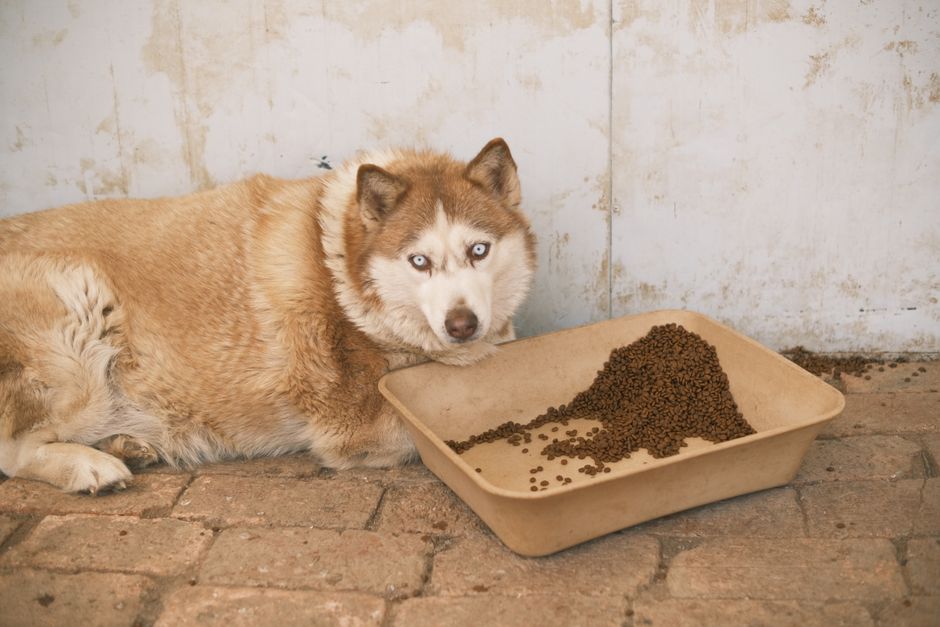
Siberian Huskies are a medium-sized working breed originally developed to pull sleds over long distances in harsh Arctic conditions. Their metabolism is highly efficient, allowing them to burn calories rapidly during work but also store energy when food is plentiful. This evolutionary trait means that in a domestic setting, without the intense exercise of sled pulling, huskies can easily gain weight if overfed. Their metabolic rate is influenced by genetics, age, and muscle mass.
Factors Affecting Calorie Needs
No two huskies have identical calorie requirements. The following factors must be considered when determining the right amount of food:
- Age: Puppies, adults, and seniors have vastly different energy needs.
- Weight and Body Condition Score (BCS): Overweight dogs need fewer calories; underweight dogs need more.
- Activity Level: A couch potato husky vs. a canine athlete require different intake.
- Spay/Neuter Status: Neutered dogs often have a 20-30% lower calorie need due to hormonal changes.
- Climate: Huskies can adjust to cold, but extreme heat may reduce appetite and calorie burn.
Calculating Daily Caloric Intake
A general formula to estimate your husky's daily calorie requirement is the Resting Energy Requirement (RER) multiplied by an activity factor. RER = 70 x (body weight in kg)^0.75. For an average 50 lb (22.7 kg) husky, RER is approximately 70 x (22.7^0.75) ≈ 70 x 11.5 ≈ 805 calories. Multiply by an activity factor:
| Activity Level | Factor | Daily Calories (50 lb) |
|---|---|---|
| Sedentary (mostly indoors) | 1.2 | 966 |
| Moderate (daily walks + play) | 1.4 | 1,127 |
| Active (running, hiking, training) | 1.6 | 1,288 |
| Highly active (sledding, agility) | 2.0 | 1,610 |
These numbers are estimates; monitor your dog's weight and adjust accordingly.
Calorie Needs for Puppies vs Adults vs Seniors
Puppies (Under 1 Year)
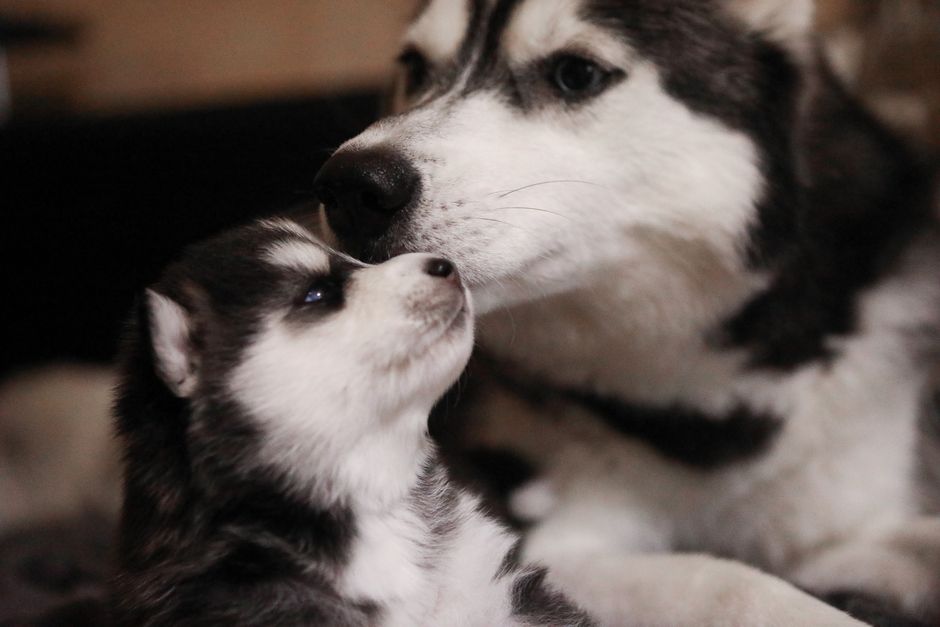
Growing husky puppies require more calories per pound of body weight than adults. They need ~2-3 times the RER to support rapid growth. Feed a high-quality puppy formula three times a day until 6 months, then twice daily. Overfeeding can cause rapid growth leading to joint issues.
Adults (1-7 Years)
Most adult huskies do well on 1,000-1,400 calories per day, depending on activity. Observe waist tuck and rib feel. You should easily feel ribs without excess fat covering.
Seniors (7+ Years)
Older huskies often have slower metabolisms and reduced activity. Calorie needs may drop to 800-1,000 calories daily. Switch to a senior formula with lower fat and higher fiber to prevent obesity and support digestion.
Feeding Schedule and Portion Control
Consistency is key. Feed your husky at the same times each day, typically two meals for adults. Use a measuring cup or kitchen scale to ensure accuracy. Avoid free-feeding; it often leads to overeating. Divide daily calories evenly between meals.
Adjusting Calories for Weight Loss or Gain
For weight loss: Reduce daily calories by 10-20% from maintenance. Replace treats with low-calorie options like green beans or carrots. Increase exercise gradually.
For weight gain: Add 10-20% more calories from high-quality sources. Include healthy fats (fish oil) or high-protein snacks. Ensure no underlying medical issue.
Best Foods for Husky Calorie Management
Choose a diet with:
- High-quality animal protein (chicken, fish, lamb) as first ingredient.
- Moderate fat (12-18%) – huskies need some fat for coat health, but excess leads to weight gain.
- Limited carbohydrates – avoid fillers like corn, wheat, soy.
- Look for AAFCO-approved complete and balanced formulas.
Treats and Extras
Treats should not exceed 10% of daily calorie intake. Many commercial treats are high in calories. Read labels: a small biscuit can be 20-50 calories. Use training treats sparingly. Healthy options include freeze-dried meat, dehydrated sweet potato, or small pieces of apple (no seeds).
Signs of Overfeeding or Underfeeding
Check your husky's body condition score weekly:
- Underweight: ribs, spine, hip bones visible; no body fat; see from a distance.
- Ideal: ribs easily felt with slight fat cover; waist visible behind ribs when viewed from above; abdominal tuck.
- Overweight: ribs hard to feel; visible fat deposits; no waist; belly sag.
Seasonal Calorie Adjustments
In winter, some huskies may need 10-15% more calories to maintain body heat if they spend significant time outdoors. In summer, appetite may decrease due to heat; monitor weight and adjust accordingly. Always consult your vet before major changes.
Consult Your Veterinarian
Every husky is unique. Your veterinarian can help determine a precise calorie target based on your dog's health status, breed-specific needs, and lifestyle. Regular weigh-ins and body condition assessments are essential. If your husky has a medical condition (e.g., hypothyroidism, diabetes), professional guidance is crucial.
By understanding and applying these principles, you can ensure your Siberian Husky maintains a healthy weight, enjoys abundant energy, and lives a long, vibrant life.
Recommended Products for Your Husky
As an Amazon Associate, we earn from qualifying purchases. Learn more.
- Husky Care Essentials — Check price on Amazon
- Best-Selling Dog Gear — Check price on Amazon
- Newest Husky Products — Check price on Amazon
Frequently Asked Questions
How do I maintain dental health?
Brush teeth 2–3 times weekly, offer dental chews, and schedule professional cleanings. Small breeds aren't the only ones with tartar.
What flea and tick prevention is best?
Oral or topical preventives from your vet beat OTC products. Tick-borne disease is rising in many Husky-friendly climates.
What health problems do Huskies have?
Main concerns are hip dysplasia, eye conditions (cataracts, PRA), and hypothyroidism. Reputable breeders screen with OFA and CERF.
Editor's Note
One thing we always tell new owners: learn your husky's normal. Gum color, breathing rate, stool consistency. The owners who knew the baseline caught real emergencies fast; the ones who didn't lost precious hours.
Sources & Further Reading
HuskySpot researches each topic against recognized breed and veterinary authorities. The following organizations inform our content: