If you own a Siberian Husky, you may have noticed your furry friend occasionally licking their paws. While some licking is normal grooming behavior, excessive paw licking can indicate an underlying issue. This comprehensive guide will explore the reasons behind husky paw licking, how to identify problems, and practical solutions to keep your dog healthy and happy.
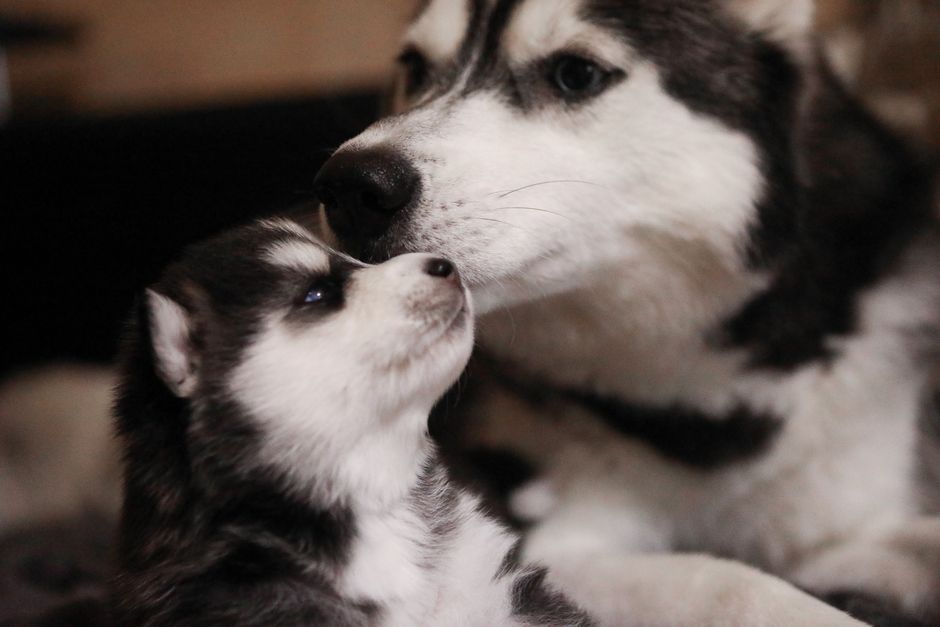
Why Do Siberian Huskies Lick Their Paws Excessively?
Paw licking in Huskies can stem from various causes, ranging from mild irritations to serious health conditions. Understanding the root cause is important for effective treatment. Common reasons include:
- Allergies: Huskies are prone to environmental allergens (pollen, mold, dust mites) and food allergies (beef, chicken, dairy, grains). Allergic reactions often cause itchy paws, leading to licking.
- Injuries: Cuts, scrapes, splinters, or insect bites on the paw pads or between toes can trigger licking as the dog tries to soothe the area.
- Boredom or Anxiety: Huskies are intelligent, high-energy dogs. Lack of mental or physical stimulation can lead to obsessive behaviors like paw licking. Separation anxiety is another common trigger.
- Parasites: Fleas, ticks, or mites can cause intense itching, especially around the paws. Mange (demodectic or sarcoptic) often affects the paws.
- Dry Skin or Paw Pad Issues: Harsh weather, walking on hot pavement or rough terrain, or nutritional deficiencies can lead to dry, cracked paw pads, prompting licking.
- Yeast or Bacterial Infections: Moisture trapped between toes can cause yeast or bacterial overgrowth, resulting in redness, odor, and constant licking.
Common Health Issues Related to Paw Licking in Huskies
Excessive paw licking can lead to secondary health problems if left unaddressed. Here are some conditions associated with chronic licking:
- Pododermatitis: Inflammation of the paw skin, often caused by allergies, infections, or autoimmune disorders. Symptoms include swelling, redness, and discharge.
- Yeast Dermatitis: Yeast infections thrive in moist environments, causing a distinct musty odor, greasy skin, and brownish discharge between toes.
- Hot Spots (Acute Moist Dermatitis): Licking can create a cycle of moisture and irritation, leading to painful, oozing hot spots.
- Interdigital Cysts: Hair follicle infections or foreign bodies can cause painful cysts between toes, making dogs lick or chew the area.
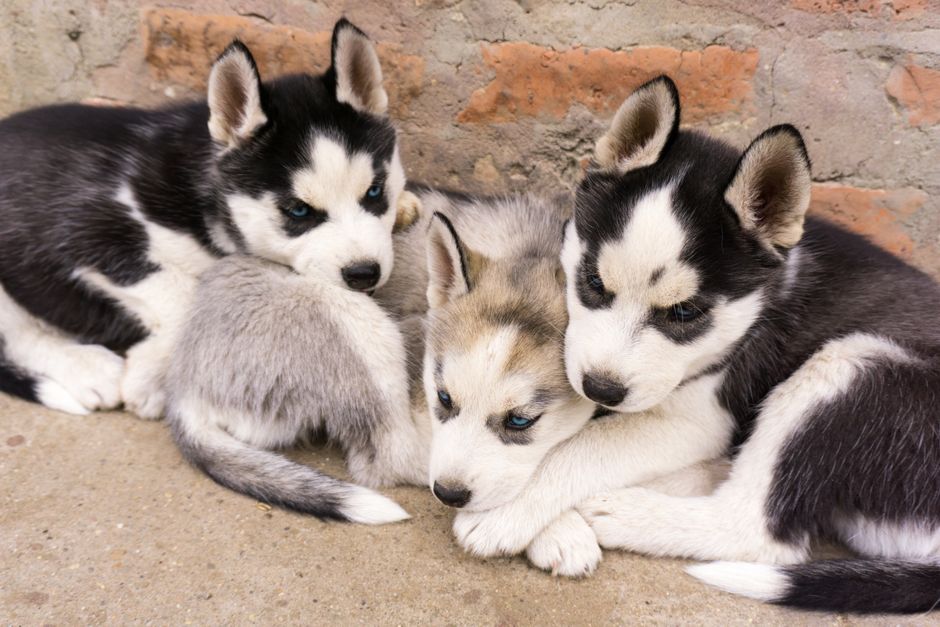
How to Identify the Cause of Husky Paw Licking
Observing your Husky's behavior and performing a thorough paw inspection can help pinpoint the issue. Follow these steps:
- Examine the Paw: Check for cuts, swelling, redness, foreign objects (grass awns, thorns), or abnormal discharge. Look between toes and around nails.
- Note Licking Patterns: Does your Husky lick after walks (possible allergies or irritants)? At night (possible anxiety)? Constantly (infection or injury)?
- Evaluate Environment: Recent changes in diet, weather, or household products? Exposure to new carpet cleaners, lawn chemicals, or plants?
- Check for Parasites: Use a flea comb to search for fleas or flea dirt. Look for redness on the belly or inner thighs as signs of flea allergy dermatitis.
- Consult a Veterinarian: If you cannot identify the cause or if licking persists, a vet can perform skin scrapings, allergy tests, or prescribe medication.
Practical Tips to Stop Your Husky from Licking Their Paws
Once you identify the cause, you can implement solutions. Here are actionable tips:
Allergies
- Switch to a limited-ingredient or hydrolyzed protein diet recommended by your vet.
- Wipe your Husky's paws after walks to remove allergens (use a damp cloth or pet-safe wipes).
- Consider air purifiers and hypoallergenic bedding.
- Your vet may prescribe antihistamines or immunotherapy.
Injuries
- Clean minor cuts with saline solution and apply pet-safe antiseptic (e.g., chlorhexidine).
- Use an Elizabethan collar (e-collar) to prevent licking while healing.
- For foreign objects, tweezers can remove splinters; deep wounds require vet attention.
Boredom or Anxiety
- Increase physical exercise: Huskies need at least 1-2 hours of vigorous activity daily.
- Provide mental stimulation: puzzle toys, obedience training, or dog sports (agility, canicross).
- For separation anxiety, consider desensitization training, calming supplements (L-theanine, CBD), or consult a behaviorist.
Dry Skin
- Add omega-3 fatty acid supplements to your Husky's diet (fish oil or flaxseed oil).
- Use a humidifier in dry climates.
- Apply pet-safe paw balm (e.g., coconut oil, shea butter) to cracked pads.
Infections
- For bacterial infections, vets often prescribe topical or oral antibiotics.
- Yeast infections require antifungal treatments (miconazole, ketoconazole).
- Keep paws dry; after walks, dry thoroughly between toes.
When to See a Vet
While minor licking can be managed at home, certain signs warrant immediate veterinary attention:
| Symptom | Possible Concern |
|---|---|
| Bleeding or pus from paw | Infection or deep wound |
| Swelling or redness extending up the leg | Cellulitis or abscess |
| Limping or reluctance to walk | Fracture, torn nail, or joint issue |
| Constant licking despite home care | Underlying allergy or compulsive disorder |
| Visible parasites or hair loss | Mange or flea infestation |
If your Husky shows any of these signs, schedule a vet appointment promptly. Early intervention prevents complications.
Preventing Paw Problems in Your Husky
Prevention is key to avoiding chronic paw issues. Incorporate these habits into your Husky's routine:
- Regular Paw Checks: Inspect paws daily, especially after walks or runs in rough terrain.
- Proper Nail Trimming: Overgrown nails can cause misalignment and discomfort. Trim every 3-4 weeks.
- Moisturize: Apply paw balm during harsh weather to prevent cracking.
- Protect Paws: Use dog booties for extreme heat, cold, or salted sidewalks.
- Groom Between Toes: Trim long fur between paw pads to reduce moisture and debris accumulation.
- Balanced Diet: Feed high-quality dog food rich in fatty acids for skin health.
Conclusion
Husky paw licking can be a normal grooming behavior or a sign of an underlying problem. By understanding the common causes—from allergies and injuries to boredom and infections—you can take proactive steps to help your dog. Always monitor your Husky's behavior, perform routine paw care, and consult a veterinarian when necessary. With attention and care, you can keep those Siberian Husky paws healthy and itch-free.
Recommended Products for Your Husky
As an Amazon Associate, we earn from qualifying purchases. Learn more.
- Husky Care Essentials — Check price on Amazon
- Best-Selling Dog Gear — Check price on Amazon
- Newest Husky Products — Check price on Amazon
Frequently Asked Questions
What flea and tick prevention is best?
Oral or topical preventives from your vet beat OTC products. Tick-borne disease is rising in many Husky-friendly climates.
What health problems do Huskies have?
Main concerns are hip dysplasia, eye conditions (cataracts, PRA), and hypothyroidism. Reputable breeders screen with OFA and CERF.
How often should my Husky see a vet?
Annual wellness exams for adults, twice-yearly for seniors. Puppies need a visit every 3–4 weeks for shots and checks.
Editor's Note
We've seen coat condition flag internal problems weeks before other symptoms. A suddenly dull, thinning double coat sent three of our clients to the vet for issues nothing else had revealed yet.
Sources & Further Reading
HuskySpot researches each topic against recognized breed and veterinary authorities. The following organizations inform our content: