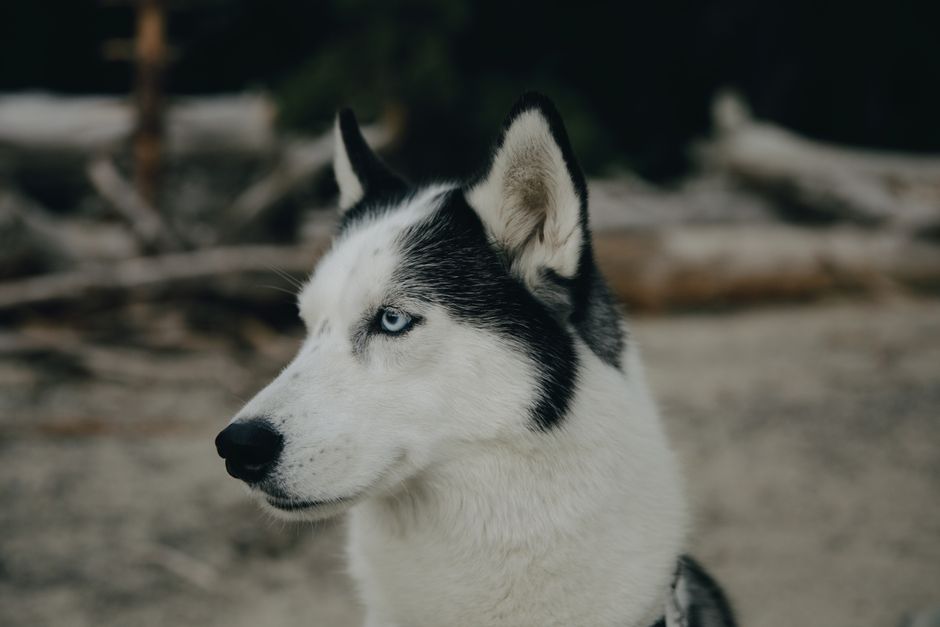
Understanding Your Senior Husky's Needs
As your Siberian Husky enters its golden years, typically around 8-10 years of age, their care requirements change. Senior huskies may experience decreased energy, joint stiffness, and altered nutritional needs. Recognizing these changes early helps ensure a comfortable, happy life for your aging companion.
Health Considerations for Senior Huskies
Huskies are prone to certain health issues as they age, including arthritis, hip dysplasia, eye problems (cataracts, glaucoma), and dental disease. Regular monitoring and proactive care can manage these conditions.
Common Senior Health Issues
- Arthritis and Joint Pain: Look for stiffness, reluctance to climb stairs, or limping. Provide joint supplements like glucosamine and omega-3 fatty acids.
- Dental Disease: Bad breath, tartar buildup, and tooth loss. Brush teeth regularly and schedule professional cleanings.
- Vision and Hearing Loss: Cloudy eyes, bumping into objects, or not responding to commands. Keep furniture layout consistent and use hand signals.
- Weight Management: Obesity exacerbates joint issues. Adjust diet and monitor body condition regularly.
Nutrition and Diet for Senior Huskies
Senior huskies need a balanced diet with high-quality protein, reduced calories (if less active), and added joint support nutrients. Look for senior-specific dog foods or consult your vet about supplements.
| Nutrient | Purpose | Recommended Sources |
|---|---|---|
| Protein | Maintain muscle mass | Chicken, fish, eggs |
| Omega-3 Fatty Acids | Reduce inflammation | Fish oil, flaxseed |
| Glucosamine & Chondroitin | Support joint health | Supplements or fortified foods |
| Fiber | Digestive health | Pumpkin, sweet potato |
Feed smaller, more frequent meals to aid digestion. Always provide fresh water.
Exercise and Activity Adjustments
Senior huskies still need regular exercise but at a lower intensity. Shorter walks, gentle play, and swimming are excellent options. Avoid high-impact activities like jumping or running on hard surfaces.
- Walk 20-30 minutes twice daily.
- Include sniffing and mental stimulation during walks.
- Use ramps for car access and stairs.
- Monitor for signs of fatigue or discomfort.
Mental Stimulation for an Aging Mind
Keep your senior husky mentally sharp with puzzle toys, simple training sessions, and new scent games. Rotate toys to prevent boredom. Cognitive decline can be slowed with enrichment.
Enrichment Ideas
- Hide treats around the house for them to find.
- Teach new tricks using gentle, positive reinforcement.
- Interactive puzzle feeders for meals.
- Play classical music or audio specifically for dogs.
Grooming and Coat Care
Senior huskies may have thinner or drier coats. Brush twice a week to remove loose fur and distribute natural oils. Check for lumps, bumps, or skin issues. Regular nail trims and ear cleaning are essential.
- Use a slicker brush and undercoat rake.
- Bathe only when necessary to avoid skin dryness.
- Trim nails every 3-4 weeks.
- Clean ears with vet-approved solution weekly.
Comfortable Living Environment
Make your home senior-friendly: orthopedic beds, non-slip rugs, raised food bowls, and easy access to outdoors. Keep the environment predictable to reduce anxiety.
- Provide a warm, draft-free sleeping area.
- Use baby gates to block stairs if needed.
- Place water bowls in multiple locations.
- Maintain a consistent daily routine.
Regular Veterinary Check-ups
Senior huskies should see the vet every 6 months for blood work, dental exams, and overall health assessment. Early detection of issues like kidney disease, thyroid problems, or cancer can improve outcomes.
Keep vaccinations and parasite prevention up to date. Discuss pain management options if your dog shows signs of discomfort.
Recognizing Signs of Aging
Watch for behavioral and physical changes: less enthusiasm for walks, sleeping more, accidents in the house, or increased vocalization. These may indicate pain, cognitive decline, or other health problems. Consult your vet promptly.
Conclusion: Embracing the Golden Years
Caring for a senior husky requires patience, love, and adaptation. By addressing their changing needs, you can ensure your loyal friend enjoys a comfortable, happy life. Every extra moment of attention and care makes a difference. Cherish your time together and celebrate each milestone.
Recommended Products for Your Husky
As an Amazon Associate, we earn from qualifying purchases. Learn more.
- Car Seat Cover — Check price on Amazon
- Dog Car Hammock — Check price on Amazon
- Seat Belt — Check price on Amazon
Frequently Asked Questions
Are Huskies prone to eye problems?
Yes — cataracts and progressive retinal atrophy occur in the breed. Annual eye exams by a veterinary ophthalmologist are wise.
How do I maintain dental health?
Brush teeth 2–3 times weekly, offer dental chews, and schedule professional cleanings. Small breeds aren't the only ones with tartar.
What flea and tick prevention is best?
Oral or topical preventives from your vet beat OTC products. Tick-borne disease is rising in many Husky-friendly climates.
Editor's Note
We've noticed senior huskies get written off too soon. The seven-year-old who 'slowed down' often just needed a joint supplement and lighter exercise, not a goodbye. Biannual checks changed outcomes for clients we manage.
Sources & Further Reading
HuskySpot researches each topic against recognized breed and veterinary authorities. The following organizations inform our content: