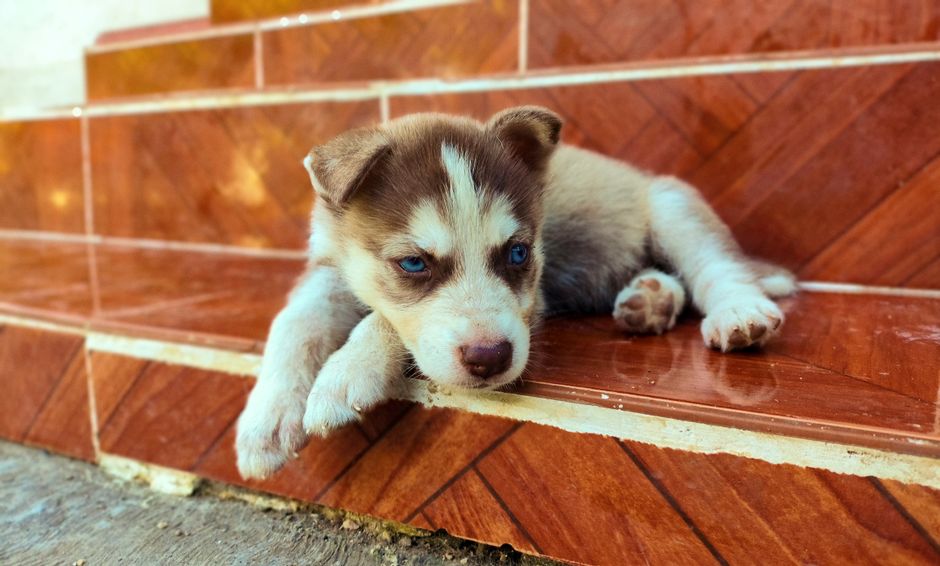
What is the Average Lifespan of a Siberian Husky?
The Siberian Husky is a robust and healthy breed, with an average lifespan of 12 to 15 years. Many live well into their mid-teens, and some even reach 16 or 17 years with excellent care. This places them among the longer-lived medium-sized dog breeds. Their longevity is attributed to their hardy genetics and relatively low incidence of inherited disorders compared to other purebreds. However, lifespan can vary based on genetics, diet, exercise, and overall healthcare.
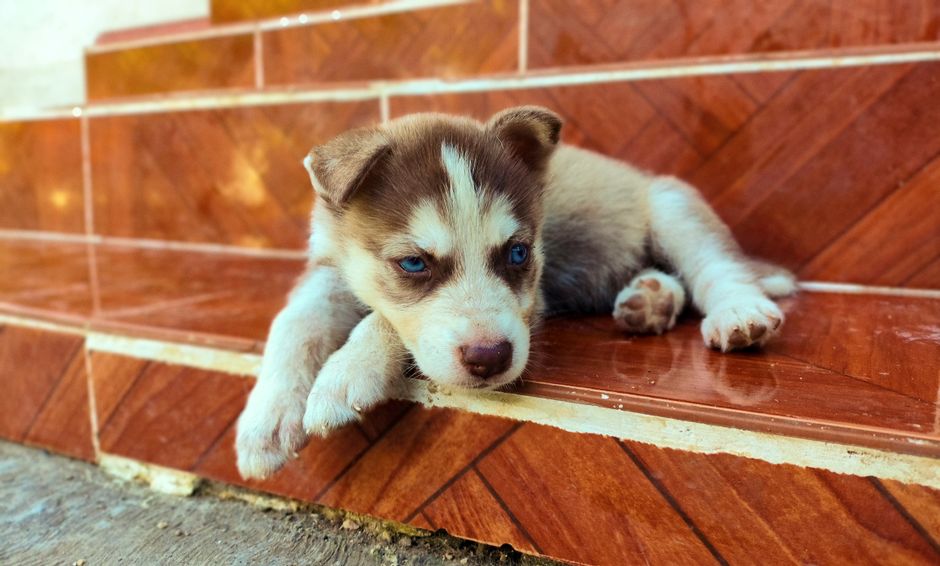
Factors That Influence Husky Lifespan
Genetics and Breeding
Responsible breeders screen for hereditary conditions like hip dysplasia, eye disorders (cataracts, progressive retinal atrophy), and hypothyroidism. A puppy from healthy lines has a better chance of a long life. Avoid puppy mills or backyard breeders who neglect genetic testing.
Diet and Nutrition
A high-quality, balanced diet appropriate for your husky's life stage is crucial. Obesity shortens lifespan by increasing risk of joint problems, heart disease, and diabetes. Feed measured portions, avoid excessive treats, and consider a diet rich in omega-3 fatty acids for coat and joint health.
Exercise and Mental Stimulation
Huskies are energetic working dogs. Daily exercise (at least 1-2 hours) prevents boredom and destructive behavior. Lack of activity leads to obesity and depression. Mental stimulation through puzzle toys, training, or dog sports keeps their mind sharp.
Environment and Climate
Huskies thrive in cooler climates. Extreme heat can cause heatstroke. Provide shade and fresh water, and avoid strenuous exercise during hot hours. A safe, contained yard prevents accidents like car strikes.
Regular Veterinary Care
Annual check-ups, vaccinations, parasite control, and dental cleanings catch issues early. Senior huskies need semi-annual visits. Blood work can detect hidden diseases like kidney or thyroid problems.
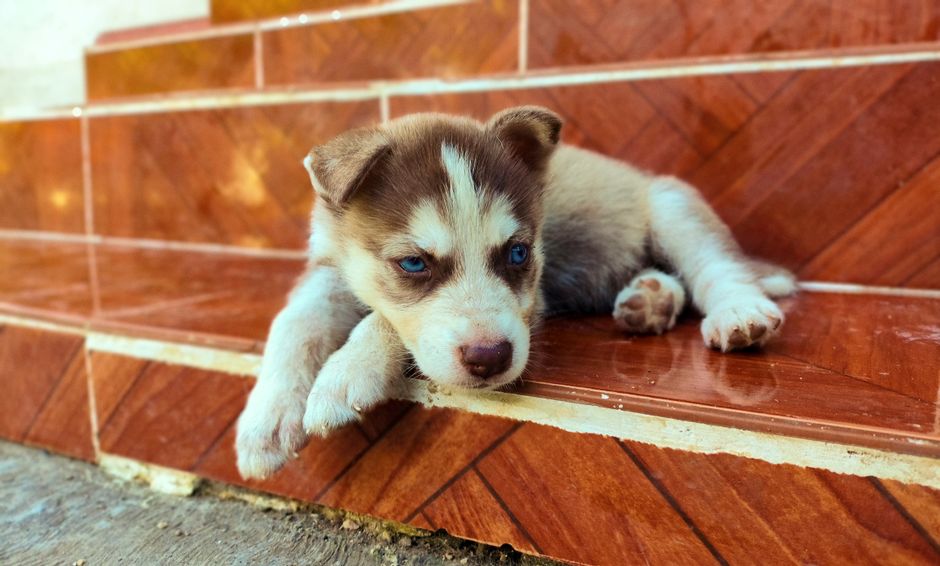
Common Health Problems in Huskies
| Condition | Impact on Lifespan | Prevention/Management |
|---|---|---|
| Hip Dysplasia | Can lead to arthritis and reduced mobility. | Maintain healthy weight; joint supplements; avoid over-exercise as puppy. |
| Eye Disorders (cataracts, PRA) | Can cause blindness but not directly fatal. | Annual eye exams; genetic testing; surgery for cataracts if needed. |
| Hypothyroidism | Manageable with medication; untreated can lead to obesity and skin issues. | Annual thyroid screening; lifelong hormone replacement. |
| Cancer (e.g., hemangiosarcoma) | Often fatal; more common in older dogs. | Early detection; spay/neuter after maturity (may reduce certain cancers). |
| Autoimmune Disorders (e.g., uveodermatologic syndrome) | Require lifelong management; can affect quality of life. | Immediate veterinary attention; immunosuppressive therapy. |
While these conditions can affect lifespan, many are manageable with early intervention and good veterinary care.
How to Extend Your Husky’s Life
Optimal Nutrition
- Feed a high-protein, moderate-fat diet with real meat as first ingredient.
- Include fruits and vegetables for antioxidants (blueberries, carrots).
- Avoid artificial additives and fillers like corn or soy.
- Consider fresh or raw diets under veterinary guidance.
Weight Management
Keep your husky lean. A body condition score of 4-5 out of 9 is ideal. Ribs should be easily felt without excess fat. Obesity is a major lifespan reducer.
Mental and Physical Exercise
Provide at least 60-90 minutes of vigorous exercise daily (running, hiking, biking). Supplement with mental challenges: obedience training, agility, nose work. A stimulated dog is a happy, healthy dog.
Dental Care
Brush teeth 2-3 times per week. Dental disease can lead to heart, kidney, and liver infections. Annual professional cleanings are recommended.
Parasite Prevention and Vaccinations
Keep up with heartworm, flea, and tick prevention. Vaccinate according to your vet’s schedule. Preventable diseases can cut short a dog’s life.
Regular Veterinary Screening
After age 7, run full blood panels, urinalysis, thyroid tests, and eye exams annually. Early detection of kidney disease, diabetes, or hypothyroidism allows for early treatment.
Signs of Aging in Huskies
As huskies enter their senior years (around 8-10), you may notice:
- Graying muzzle and around eyes
- Decreased energy levels
- Stiffness or difficulty rising
- Changes in sleep patterns
- Hearing or vision loss
- Increased anxiety or confusion
Adjust care: provide orthopedic beds, ramps for furniture, more frequent potty breaks, and a quiet environment. Older huskies benefit from joint supplements (glucosamine, chondroitin, omega-3s) and a diet lower in calories to prevent weight gain.
When to Say Goodbye
Quality of life is paramount. Consult your vet when your husky has chronic pain unmanageable by medication, loss of appetite, inability to walk or stand, or severe cognitive decline. The decision is difficult, but compassionate euthanasia can prevent suffering. Focus on the happy years you shared.
Conclusion
The Siberian Husky is a wonderful companion with a generous lifespan. By providing excellent nutrition, regular veterinary care, ample exercise, and lots of love, you can maximize your husky’s years. each dog is unique; work closely with your vet to tailor care to your husky’s individual needs. With dedication, your furry friend can enjoy a long, vibrant life by your side.
Recommended Products for Your Husky
As an Amazon Associate, we earn from qualifying purchases. Learn more.
- Husky Care Essentials — Check price on Amazon
- Best-Selling Dog Gear — Check price on Amazon
- Newest Husky Products — Check price on Amazon
Frequently Asked Questions
What flea and tick prevention is best?
Oral or topical preventives from your vet beat OTC products. Tick-borne disease is rising in many Husky-friendly climates.
What health problems do Huskies have?
Main concerns are hip dysplasia, eye conditions (cataracts, PRA), and hypothyroidism. Reputable breeders screen with OFA and CERF.
How often should my Husky see a vet?
Annual wellness exams for adults, twice-yearly for seniors. Puppies need a visit every 3–4 weeks for shots and checks.
Editor's Note
We've seen coat condition flag internal problems weeks before other symptoms. A suddenly dull, thinning double coat sent three of our clients to the vet for issues nothing else had revealed yet.
Sources & Further Reading
HuskySpot researches each topic against recognized breed and veterinary authorities. The following organizations inform our content: