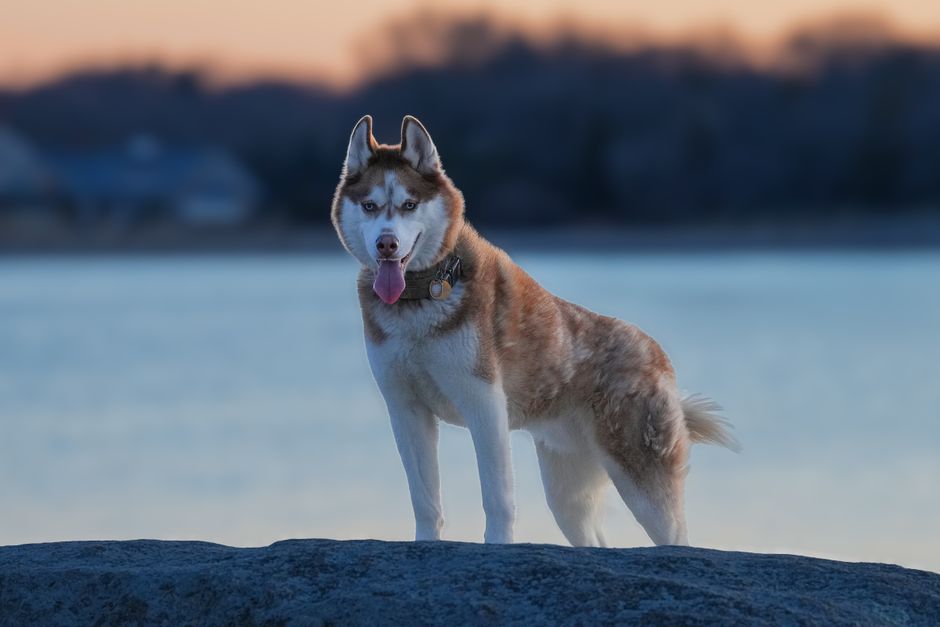
Why Weight Matters for Your Siberian Husky
Maintaining a healthy weight is crucial for your Siberian Husky's overall well-being. Excess weight can lead to joint problems, diabetes, heart disease, and a shortened lifespan. Conversely, being underweight may indicate underlying health issues or improper nutrition. Using a husky healthy weight chart helps you track your dog's growth and adjust diet and exercise accordingly.

Factors That Affect Your Husky's Weight
Several factors influence your Husky's ideal weight, including age, genetics, activity level, and gender. Male Huskies typically weigh between 45-60 pounds (20-27 kg), while females range from 35-50 pounds (16-23 kg). However, individual variations exist. Puppies gain weight rapidly, while seniors may lose muscle mass. Working or highly active Huskies may require more calories than sedentary ones.
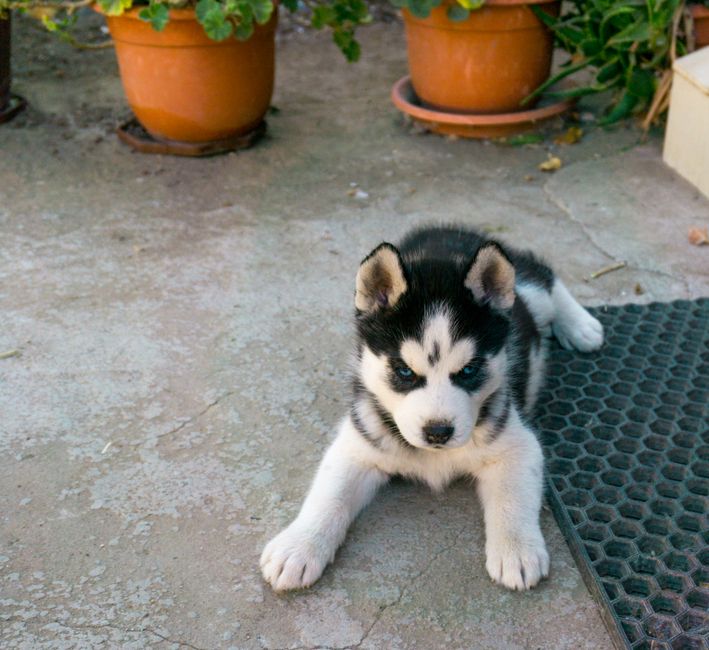
Husky Healthy Weight Chart by Age
Below is a generalized growth chart for Siberian Huskies. Use it as a guideline, but always consult your vet for personalized advice.
| Age (Months) | Male Weight (lbs) | Female Weight (lbs) |
|---|---|---|
| 2 | 10-15 | 8-12 |
| 4 | 20-30 | 15-25 |
| 6 | 30-45 | 25-35 |
| 12 | 45-60 | 35-50 |
| Adult (18+) | 45-60 | 35-50 |
Note: These are averages. Your Husky may fall outside these ranges and still be healthy if body condition is good.
How to Assess Your Husky's Body Condition
Weight alone isn't enough. Use the Body Condition Score (BCS) system on a scale of 1-9:
- 1-3 (Underweight): Ribs, spine, and hip bones are easily visible. No palpable fat.
- 4-5 (Ideal): Ribs can be felt with slight fat covering. Waist visible when viewed from above.
- 6-7 (Overweight): Ribs difficult to feel. Fat deposits over spine and tail base. Abdomen sagging.
- 8-9 (Obese): Heavy fat covering, no waist, abdominal distension.
To assess, run your hands along your Husky's side. You should feel ribs without pressing hard. From above, a visible waist behind the ribs is desirable. From the side, the abdomen should tuck up.
Feeding Guidelines for a Healthy Weight
Feed a high-quality diet appropriate for your Husky's life stage (puppy, adult, senior). Use a measuring cup to avoid overfeeding. Typical adult Huskies need 1.5-2.5 cups of dry food per day, split into two meals. Adjust based on activity level. Avoid free-feeding. Treats should not exceed 10% of daily calories. For weight loss, reduce portions and switch to low-calorie treats like carrots or green beans.
Exercise and Weight Management
Siberian Huskies are energetic dogs that require at least 60-90 minutes of vigorous exercise daily. Activities like running, hiking, or bikejoring help burn calories and maintain muscle. Mental stimulation (puzzle toys, training) also prevents boredom eating. Regular weigh-ins every two weeks can help you catch small changes early.
Common Weight Problems in Huskies
Obesity
Obesity is the most common nutritional problem. Signs include difficulty feeling ribs, lack of waist, and lethargy. Obesity increases risk of hip dysplasia, ACL tears, and heat intolerance. Weight loss requires a vet-approved plan.
Underweight
If your Husky is underweight, rule out parasites, malabsorption, or dental issues. Increase calorie density with higher-fat foods or supplements. Always consult a vet before making drastic changes.
When to Consult Your Veterinarian
If your Husky is consistently outside the healthy weight range or shows sudden weight change, see a vet. Also, if you notice excessive thirst, appetite changes, or digestive issues. A vet can perform a full checkup and recommend a tailored diet and exercise program. Routine wellness checks every 6-12 months are ideal.
Final Tips for Maintaining a Healthy Weight
- Use a weight chart to track progress monthly.
- Keep a food diary to monitor calorie intake.
- Engage your Husky in interactive games.
- Limit high-calorie treats and table scraps.
- Stay consistent with feeding and exercise schedules.
By following this guide and the husky healthy weight chart, you can help your Siberian Husky live a long, active, and happy life.
Recommended Products for Your Husky
As an Amazon Associate, we earn from qualifying purchases. Learn more.
- Husky Care Essentials — Check price on Amazon
- Best-Selling Dog Gear — Check price on Amazon
- Newest Husky Products — Check price on Amazon
Frequently Asked Questions
How often should my Husky see a vet?
Annual wellness exams for adults, twice-yearly for seniors. Puppies need a visit every 3–4 weeks for shots and checks.
How do I help prevent hip dysplasia?
Keep puppies lean during growth, avoid over-exercise on hard surfaces, and choose parents with good OFA scores.
What vaccines does my Husky need?
Core vaccines: rabies, distemper, parvovirus, adenovirus. Your vet may add leptospirosis or bordetella based on risk.
Editor's Note
We've handled the bloat scare more times than we can count. The rule we drilled into every client: no exercise for an hour after meals. A distended belly with unproductive retching is an ER trip, not a wait-and-see.
Sources & Further Reading
HuskySpot researches each topic against recognized breed and veterinary authorities. The following organizations inform our content: