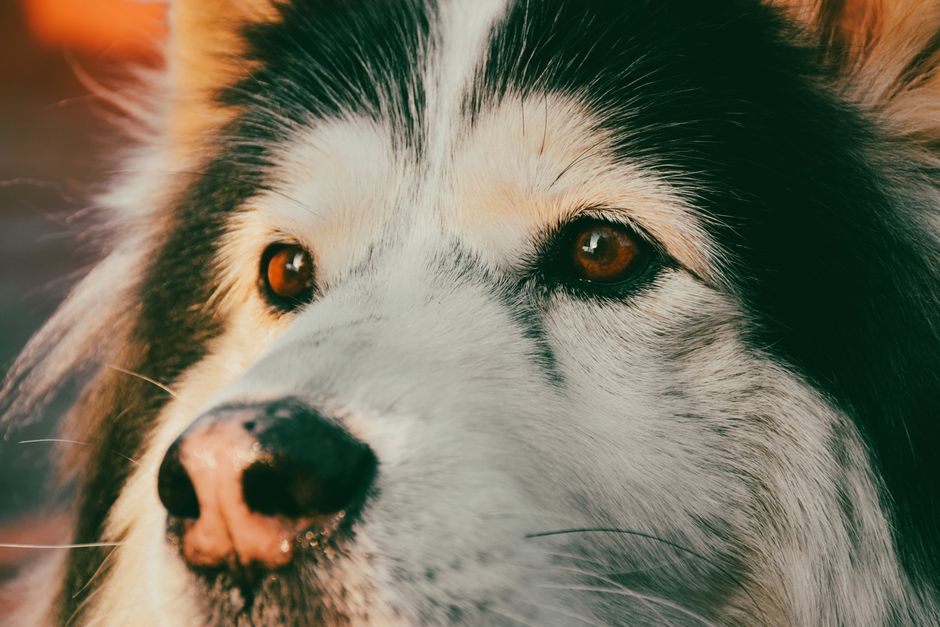
Common Causes of Nose Bleeding in Siberian Huskies
Nose bleeds (epistaxis) in Siberian Huskies can be alarming, but they often have treatable causes. Understanding the possible reasons helps you respond appropriately.
Trauma and Foreign Objects
Huskies are active and curious dogs. They may get nosebleeds from rough play, bumping into objects, or sticking their nose into tight spaces. Grass seeds, foxtails, or small sticks can lodge in the nasal passages, causing irritation and bleeding.
Environmental Dryness
Especially during winter or in arid climates, dry air can crack the delicate blood vessels inside the nose. This is one of the most common reasons for occasional, mild nosebleeds in otherwise healthy Huskies.
Allergies
Siberian Huskies can suffer from environmental allergies (pollen, dust mites) or food allergies. Inflammation from allergies may lead to sneezing, nasal discharge, and bleeding.
Infections
Fungal infections like aspergillosis are relatively common in dogs and can cause chronic nasal discharge, pain, and bleeding. Bacterial infections secondary to other issues also contribute.
Dental Problems
Root abscesses in the upper premolars or molars can erode into the nasal cavity, causing infection and bleeding. This is more common in older dogs or those with poor dental hygiene.
Nasal Tumors
Though less common, nasal tumors (benign or malignant) can cause persistent nosebleeds. These are more likely in older Huskies (over 8 years).
Blood Clotting Disorders
Ingestion of rodenticides (rat poison), immune-mediated thrombocytopenia, liver disease, or von Willebrand’s disease can impair clotting. Bleeding from other sites (gums, urine) may also be present.
Exercise-Induced Nosebleeds
Strenuous activity in cold weather can cause temporary nasal vessel rupture due to increased blood pressure and dry air. This is usually mild and self-limiting.
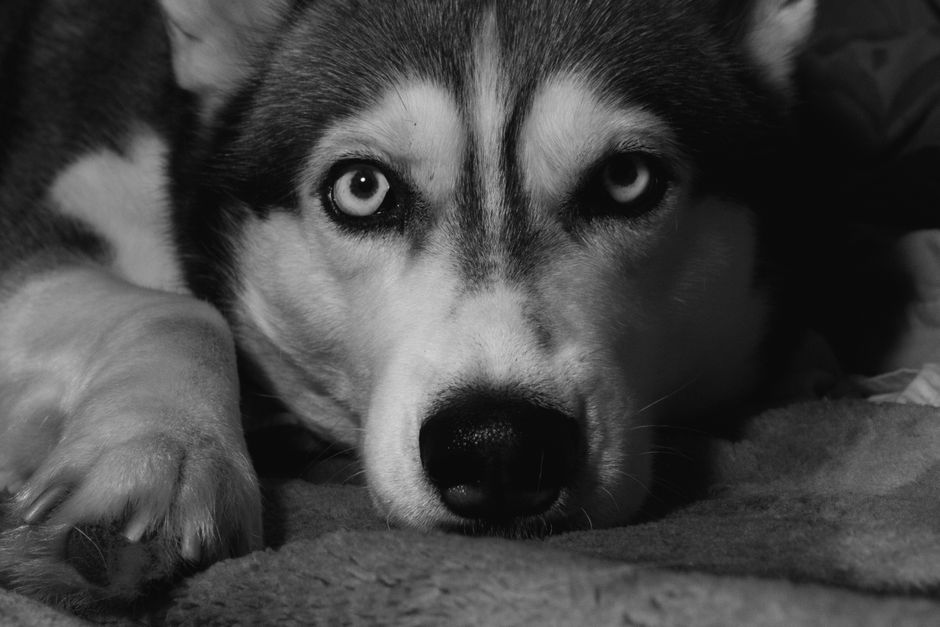
First Aid for a Husky with a Nosebleed
If your Husky has a nosebleed, stay calm. Follow these steps:
- Keep your dog calm and still. Excitement or stress can worsen bleeding.
- Apply a cold compress (ice pack wrapped in a towel) gently to the bridge of the nose. The cold constricts blood vessels.
- Do not tilt the head back. This can cause blood to flow down the throat, leading to coughing or vomiting.
- If bleeding continues for more than 5-10 minutes, contact your veterinarian.
Do not put anything inside the nostril (e.g., cotton balls). If you can see a foreign object, do not try to remove it yourself – seek professional help.
When to See a Veterinarian
While a single, brief nosebleed may not be an emergency, you should consult a vet if:
- Bleeding is heavy or lasts more than 10 minutes.
- Nosebleeds recur frequently (more than once a month).
- Blood comes from both nostrils, or you see bloody discharge mixed with pus.
- Your Husky shows other signs: lethargy, pale gums, decreased appetite, swelling of the nose or face.
- There is known exposure to rat poison or other toxins.
Diagnosing the Underlying Cause
Your veterinarian will start with a thorough history and physical exam. Diagnostic steps may include:
| Test | Purpose |
|---|---|
| Complete blood count (CBC) and clotting profile | Check for anemia, infection, and clotting disorders |
| Nasal swab or flush | Collect samples for culture and cytology (fungal/bacterial infection) |
| Dental exam and dental X-rays | Identify tooth root abscesses |
| Rhinoscopy | Direct visualization of nasal passages using a tiny camera |
| CT scan or MRI | Detailed imaging for tumors or foreign bodies |
Treatment Options Based on Cause
Dry Air
Use a humidifier in your home, especially in the room where your Husky sleeps. Saline nasal drops (provided by your vet) can help moisten tissues.
Allergies
Antihistamines (e.g., diphenhydramine) or immunotherapy may be prescribed. Avoid triggers when possible.
Infections
Fungal infections require prolonged antifungal therapy (e.g., itraconazole). Bacterial infections need targeted antibiotics based on culture results.
Dental Issues
Treat the underlying tooth abscess (root canal or extraction) and clean the area thoroughly.
Tumors
Surgical removal, radiation therapy, or palliative care depending on the type and stage.
Clotting Disorders
Treatment is specific to the cause: vitamin K for rodenticide poisoning, immunosuppressants for immune-mediated disease, etc.
Preventing Nosebleeds in Huskies
- Keep your home humidified, especially in winter.
- Use gentle, pet-safe cleaning products to avoid nasal irritation.
- Supervise playtime to reduce trauma risk.
- Practice good dental hygiene – brush your Husky’s teeth regularly and schedule professional cleanings.
- Store rodenticides and other toxins out of reach.
- If your Husky is prone to nosebleeds, ask your vet about adding omega-3 fatty acids to support blood vessel health.
Frequently Asked Questions
Can a Husky’s nose bleed from excitement?
Yes, sudden surges in blood pressure from intense excitement or exercise can cause tiny vessels to rupture. This is usually minor and stops quickly.
Is a single nosebleed an emergency?
Not necessarily. If it stops within a few minutes and your Husky is acting normal, monitor for recurrence. If it happens again soon, see a vet.
Can I use human nasal sprays?
No. Human decongestants can be toxic to dogs. Always consult your vet before administering any medication.
Understanding the cause of your Husky’s nosebleed is key to proper treatment. While many cases are benign, persistent or heavy bleeding warrants a veterinary evaluation. With care and attention, your Husky can recover fully.
Recommended Products for Your Husky
As an Amazon Associate, we earn from qualifying purchases. Learn more.
- Husky Care Essentials — Check price on Amazon
- Best-Selling Dog Gear — Check price on Amazon
- Newest Husky Products — Check price on Amazon
Editor's Note
Our editors keep a poison cheat-sheet on the fridge: grapes, xylitol, onions, antifreeze. We've talked more than one panicked owner down from a grape incident. Knowing the number for poison control beats Googling it mid-crisis.
Sources & Further Reading
HuskySpot researches each topic against recognized breed and veterinary authorities. The following organizations inform our content: