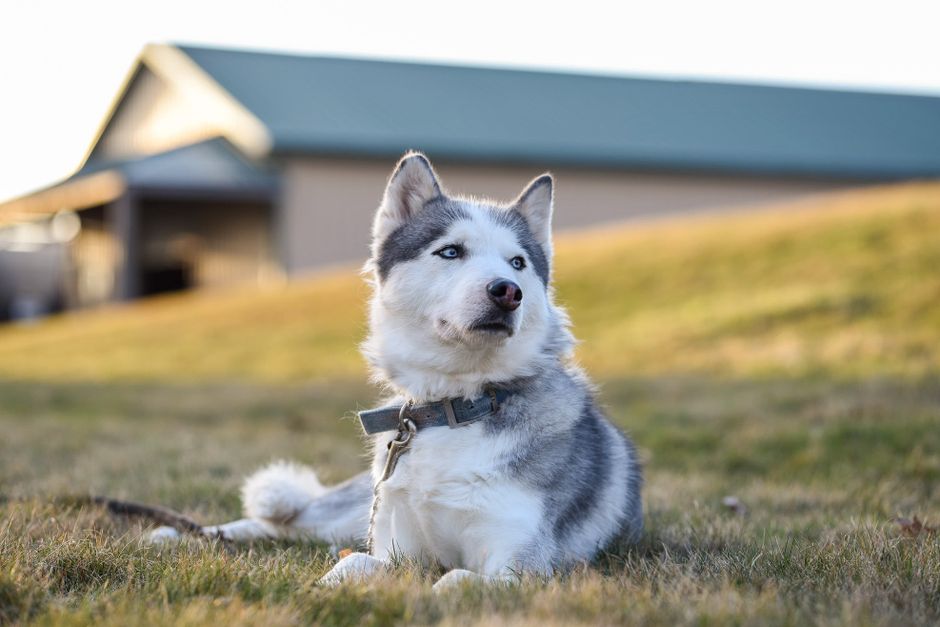
Understanding Joint Pain in Siberian Huskies
Siberian Huskies are known for their endurance and athletic ability, but like many large breeds, they are prone to joint issues that can cause pain and reduce quality of life. Joint pain in huskies often stems from developmental disorders, injuries, or age-related degeneration. Early detection and proper management are crucial to keep your husky active and comfortable.
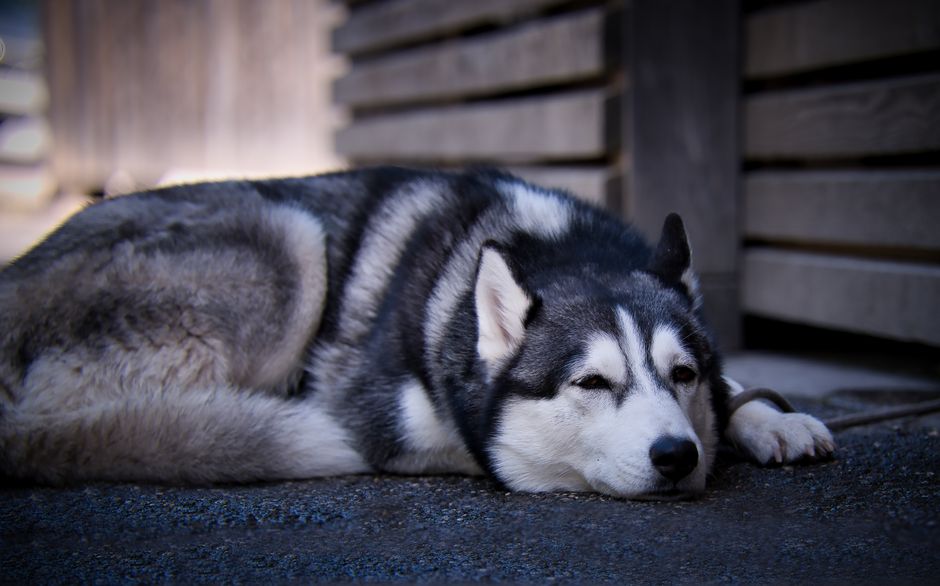
Common Causes of Joint Pain in Huskies
Hip Dysplasia
Hip dysplasia is a genetic condition where the hip joint doesn’t fit snugly into the socket, causing friction and pain. It can lead to arthritis over time. Huskies with hip dysplasia may show signs as early as 4 months old.
Elbow Dysplasia
Elbow dysplasia involves abnormal development of the elbow joint, often causing lameness in the front legs. It is another inherited condition common in medium to large breeds like the Siberian Husky.
Arthritis (Osteoarthritis)
Arthritis is a degenerative joint disease that worsens with age. It can result from previous injuries, dysplasia, or simply wear and tear. Huskies with arthritis experience chronic pain and stiffness, especially after rest.
Injuries and Overexertion
Active huskies may sprain ligaments, tear cartilage, or fracture bones during exercise or play. Even minor injuries can lead to long-term joint problems if not properly healed.
Obesity
Excess weight puts additional stress on joints, accelerating cartilage breakdown. Overweight huskies are more likely to develop joint pain and have difficulty moving.
Recognizing the Signs of Joint Pain
Huskies are stoic animals that often hide pain. Watch for these signs:
- Limping or favoring a leg
- Stiffness after lying down or in cold weather
- Reluctance to jump, climb stairs, or play
- Decreased activity or lagging on walks
- Whining or yelping when touched
- Behavioral changes like irritability or withdrawal
- Licking or chewing at joints
- Muscle atrophy from disuse
Diagnosing Joint Issues
If you suspect joint pain, consult a veterinarian. Diagnosis typically includes:
- Physical exam: The vet will palpate joints, check range of motion, and look for signs of pain or swelling.
- X-rays: Radiographs can reveal bone abnormalities, joint space narrowing, or signs of dysplasia.
- Advanced imaging: CT scans or MRIs may be used for complex cases like elbow dysplasia or ligament tears.
Early diagnosis allows for more effective treatment and slows disease progression.
Treatment Options for Husky Joint Pain
Medications
Non-steroidal anti-inflammatory drugs (NSAIDs) like carprofen or meloxicam reduce inflammation and pain. Always use veterinary-prescribed NSAIDs, as human versions can be toxic. Corticosteroids may be used for severe inflammation but have side effects.
Joint Supplements
Supplements can support joint health. Common ingredients:
| Supplement | Benefit |
|---|---|
| Glucosamine | Supports cartilage repair |
| Chondroitin | Inhibits cartilage breakdown |
| MSM | Reduces inflammation |
| Omega-3 fatty acids | Anti-inflammatory effects |
| Green-lipped mussel | Rich in omega-3s and glucosamine |
Always choose high-quality, veterinarian-recommended products.
Physical Therapy and Exercise
Low-impact activities like swimming, short leash walks, and controlled exercises help maintain muscle mass without stressing joints. Physical therapy with a certified rehabilitation practitioner can include laser therapy, ultrasound, or therapeutic exercises.
Weight Management
Maintaining a lean body condition reduces joint strain. Feed a balanced diet, measure portions, and avoid free-feeding. Consult your vet for a weight loss plan if your husky is overweight.
Surgical Options
For severe dysplasia or injuries, surgery may be necessary. Procedures include femoral head ostectomy (FHO), total hip replacement, arthroscopy for elbow issues, or ligament repair. Post-surgery rehabilitation is critical for recovery.
Preventing Joint Pain in Your Husky
Prevention starts early. Here are key strategies:
- Choose a reputable breeder: Screen for hip and elbow dysplasia certifications (e.g., OFA, PennHIP).
- Proper nutrition: Feed a balanced diet appropriate for growth stage. Avoid over-supplementing calcium, which can worsen developmental issues.
- Controlled exercise: Avoid high-impact activities like excessive jumping or running on hard surfaces until growth plates close (around 18 months).
- Joint supplements: Consider preventive supplements from a young age, especially if your husky has a family history of joint problems.
- Regular vet checkups: Annual exams allow early detection of joint issues.
Natural Remedies and Supportive Care
Complementary therapies can improve comfort:
- Cold therapy: Apply ice packs for 10-15 minutes after activity to reduce acute inflammation.
- Heat therapy: Warm compresses or heating pads (on low) help relax stiff muscles and soothe aching joints.
- Massage: Gentle massage around joints can improve circulation and reduce pain.
- Acupuncture: Some huskies respond well to acupuncture for pain relief and improved mobility.
- Hydrotherapy: Underwater treadmill or swimming provides low-impact exercise that strengthens muscles and joints.
Always consult your vet before starting any new therapy.
When to See a Vet
If your husky shows any signs of joint pain, schedule a veterinary visit. Prompt diagnosis and treatment can prevent worsening of the condition. Seek immediate care if your dog cannot bear weight on a limb, has sudden severe lameness, or shows signs of extreme pain.
By understanding the causes, signs, and treatments for joint pain, you can help your Siberian Husky live a comfortable, active life despite these challenges.
Recommended Products for Your Husky
As an Amazon Associate, we earn from qualifying purchases. Learn more.
- Healthy Dog Treats — Check price on Amazon
- Dental Chews — Check price on Amazon
- Training Treats — Check price on Amazon
Frequently Asked Questions
Are Huskies prone to eye problems?
Yes — cataracts and progressive retinal atrophy occur in the breed. Annual eye exams by a veterinary ophthalmologist are wise.
How do I maintain dental health?
Brush teeth 2–3 times weekly, offer dental chews, and schedule professional cleanings. Small breeds aren't the only ones with tartar.
What flea and tick prevention is best?
Oral or topical preventives from your vet beat OTC products. Tick-borne disease is rising in many Husky-friendly climates.
Editor's Note
We've noticed senior huskies get written off too soon. The seven-year-old who 'slowed down' often just needed a joint supplement and lighter exercise, not a goodbye. Biannual checks changed outcomes for clients we manage.
Sources & Further Reading
HuskySpot researches each topic against recognized breed and veterinary authorities. The following organizations inform our content: