A Siberian Husky's nose is a window into their overall health. While a dry nose can be temporary and harmless, it can also signal underlying issues. This comprehensive guide explores the causes, treatments, and prevention of dry nose in Huskies, helping you distinguish between normal variations and signs of concern.
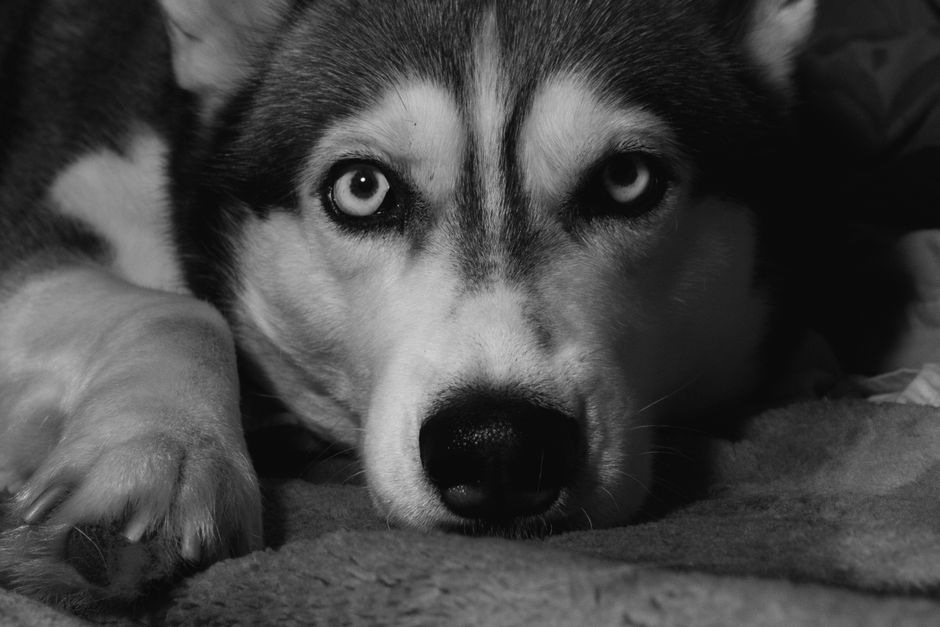
Why Do Siberian Huskies Get Dry Noses?
The moist, leathery texture of a healthy dog nose is due to a thin layer of mucus that aids in scent absorption. In Huskies, a dry nose can result from various factors, including:
- Environmental factors: Low humidity, sun exposure, wind, or dry heated indoor air can cause temporary drying.
- Age: Older Huskies may produce less nasal moisture.
- Breed traits: Some Huskies naturally have drier noses than others.
- Sleep: Dogs often have dry noses upon waking because they aren't licking their noses during sleep.
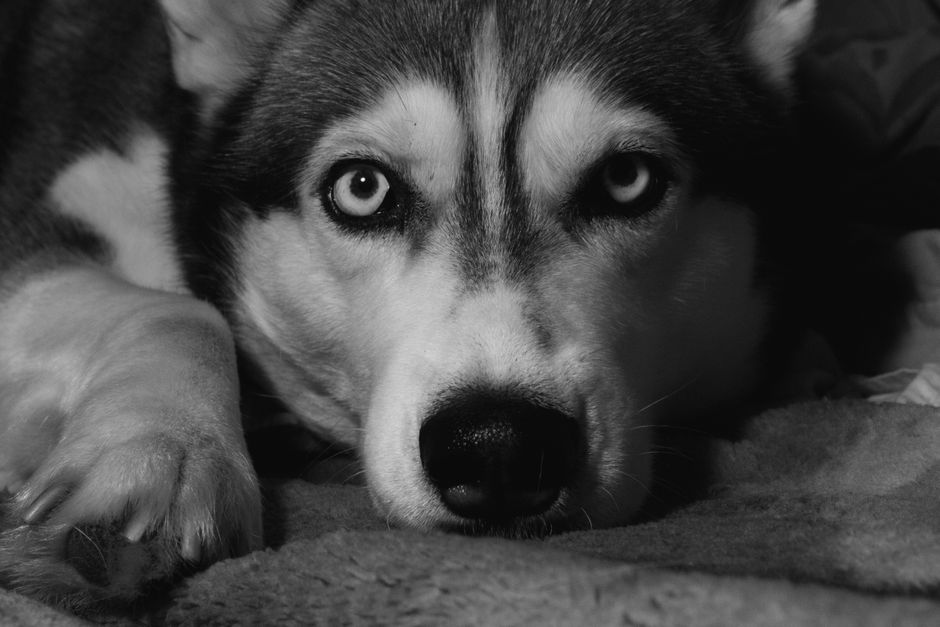
Medical Causes of Dry Nose in Huskies
If the dryness persists or is accompanied by other symptoms, consider these medical conditions:
Dehydration
Lack of water intake leads to overall dryness, including the nose. Ensure your Husky always has fresh water. Signs include lethargy, sunken eyes, and dry gums.
Allergies
Huskies can suffer from environmental or food allergies, causing nasal dryness, discharge, or itching. Common allergens include pollen, dust mites, certain proteins, or grains.
Autoimmune Disorders
Conditions like pemphigus foliaceus cause crusting and cracking of the nose and paw pads. This requires veterinary diagnosis and treatment.
Nasal Hyperkeratosis
An overgrowth of keratin on the nose, leading to a dry, crusty surface. It may be genetic or secondary to other diseases.
Sunburn
Huskies with light-colored noses are prone to sunburn, which can cause redness, peeling, and dryness. Prolonged exposure increases risk of nasal cancer.
Infections
Bacterial or fungal infections can cause nasal discharge, crusting, and dryness. Look for discoloration or odor.
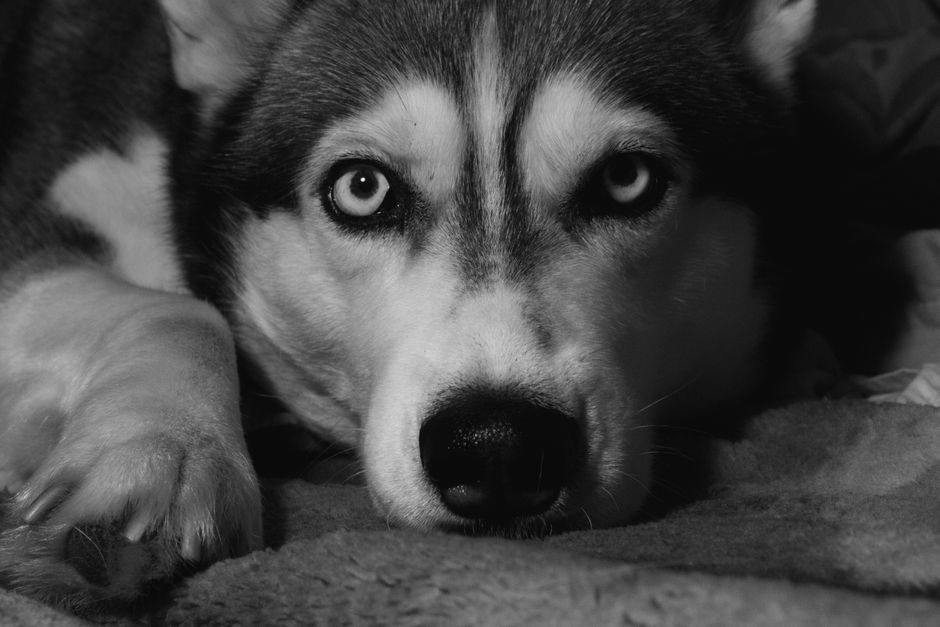
Is a Dry Nose Always a Sign of Illness?
No. Many healthy Huskies have intermittent dry noses. The key is to observe accompanying signs. A dog that is eating, drinking, playing, and acting normal likely has a benign dry nose. However, if the dryness is accompanied by:
- Cracked or bleeding nose
- Nasal discharge (thick, colored, or foul-smelling)
- Sneezing, coughing, or wheezing
- Loss of appetite or lethargy
- Swelling or discoloration
Then it's time to consult a veterinarian.
How to Treat a Husky's Dry Nose at Home
For mild cases, try these safe remedies:
Moisturizers Safe for Dogs
Apply a small amount of dog-safe balms like those containing shea butter, coconut oil, or beeswax. Avoid human lotions with fragrances or toxic ingredients.
Humidifiers
Adding moisture to the air helps prevent nasal drying, especially in winter.
Hydration Boost
Encourage water intake by adding water to food or offering ice cubes.
Protect from Sun and Wind
Limit outdoor exposure during peak sun hours and use dog-safe sunscreen on the nose.
When to Visit the Vet
Seek professional help if:
- The dry nose persists > 2 weeks despite home care
- Cracks or sores appear
- Your Husky shows signs of pain or discomfort
- Accompanied by other symptoms (vomiting, diarrhea, skin issues)
- You suspect an autoimmune condition
The vet may perform skin scrapings, blood tests, or biopsies to determine the cause.
Preventing Dry Nose in Siberian Huskies
- Provide constant access to clean water.
- Use a humidifier in dry climates or during heating season.
- Avoid harsh chemical wipes or cleaners near the nose.
- Apply dog-safe nose balm before extreme weather.
- Regularly check your Husky's nose for changes.
Common Myths About Dog Noses
Myth: A warm, dry nose means fever. Fact: Many healthy dogs have warm, dry noses. Check rectal temperature instead.
Myth: Always wet nose = healthy. Fact: Some illnesses cause excessive nasal discharge. A consistently wet nose can indicate allergies or infection.
Conclusion
A dry nose in your Siberian Husky is usually nothing to worry about, but it deserves attention if persistent or paired with other signs. By understanding the causes and treatments, you can keep your Husky's nose – and overall health – in top shape. When in doubt, always consult your veterinarian.
Recommended Products for Your Husky
As an Amazon Associate, we earn from qualifying purchases. Learn more.
- Healthy Dog Treats — Check price on Amazon
- Dental Chews — Check price on Amazon
- Training Treats — Check price on Amazon
Frequently Asked Questions
How do I help prevent hip dysplasia?
Keep puppies lean during growth, avoid over-exercise on hard surfaces, and choose parents with good OFA scores.
What vaccines does my Husky need?
Core vaccines: rabies, distemper, parvovirus, adenovirus. Your vet may add leptospirosis or bordetella based on risk.
How do I spot illness early?
Watch for appetite loss, lethargy, vomiting, diarrhea, limping, or eye changes. Huskies hide pain, so subtle shifts matter.
Editor's Note
In our experience husky owners underrate dental care. We've seen periodontal bacteria quietly damage organs by year seven. Brushing three times a week sounds like a lot until you price a professional cleaning.
Sources & Further Reading
HuskySpot researches each topic against recognized breed and veterinary authorities. The following organizations inform our content: