If your Siberian Husky is sneezing constantly, it can be both concerning and disruptive. While occasional sneezing is normal, persistent sneezing may indicate an underlying issue. This comprehensive guide explores the common causes, symptoms to watch for, home remedies, and when to seek veterinary care. Understanding why your Husky is sneezing will help you provide the best care and keep your furry friend comfortable.
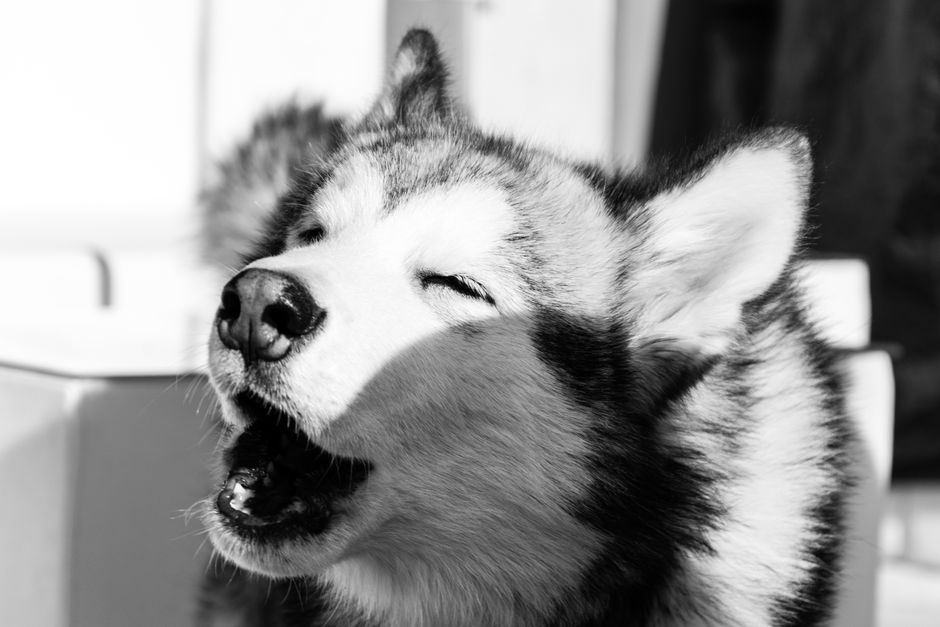
Common Causes of Sneezing in Huskies
Huskies are a breed known for their thick double coat, but they are also prone to certain health issues that can cause sneezing. Here are the most common culprits:
Allergies
Just like humans, Huskies can suffer from allergies. These can be environmental (pollen, dust mites, mold) or seasonal. Sneezing due to allergies is often accompanied by itchy skin, watery eyes, and a runny nose. If your Husky sneezes more during spring or fall, allergies are a likely cause. Keeping your home clean and using air purifiers can help reduce allergens.
Infections
Upper respiratory infections (URIs) are common in dogs. Bacterial or viral infections can cause sneezing, along with nasal discharge, fever, and lethargy. Kennel cough is a contagious infection that often leads to sneezing and a honking cough. If your Husky has been around other dogs recently, an infection could be the reason. Consult your vet for proper diagnosis and treatment.
Irritants
Strong odors, smoke, perfume, cleaning products, or even dust can irritate your Husky's sensitive nasal passages. This is especially true if your Husky is exploring outdoors and inhales something like grass or pollen directly. If sneezing occurs after exposure to a new environment or product, remove the irritant and see if symptoms subside.
Foreign Objects
Huskies are curious dogs who love to sniff everything. Sometimes, a blade of grass, a small seed, or even a bug can get lodged in their nasal cavity, causing relentless sneezing as the body tries to expel it. If your Husky is sneezing violently and pawing at their nose, a foreign object might be the cause. This requires immediate veterinary attention to prevent further complications.
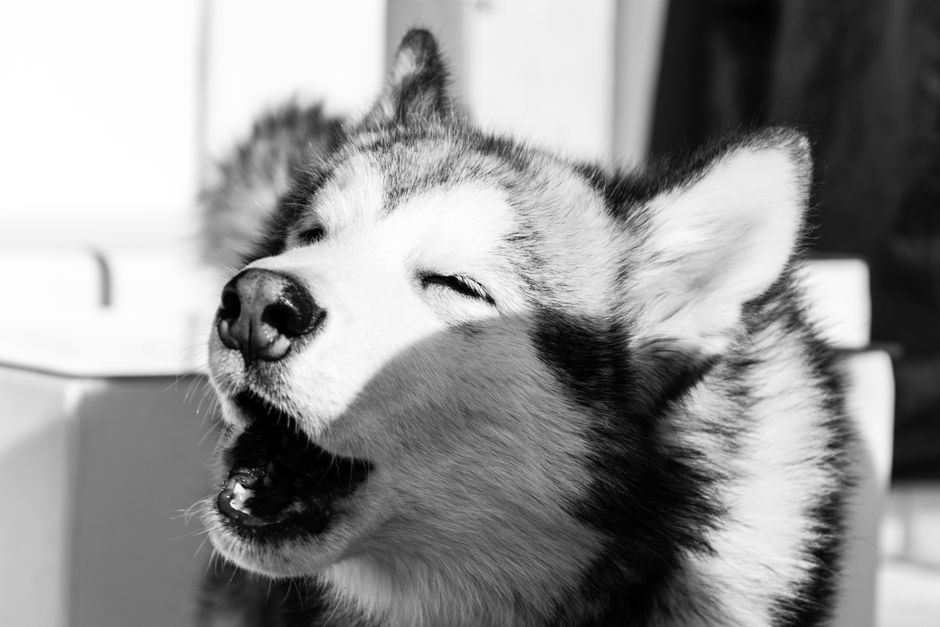
When to Worry: Symptoms Accompanying Sneezing
Not all sneezing is harmless. Pay attention to accompanying signs that indicate a more serious problem. The following table can help you decide when to visit the vet:
| Symptom | Possible Cause | When to See a Vet |
|---|---|---|
| Nasal discharge (yellow/green) | Infection or sinusitis | If lasts more than a few days |
| Blood or bloody discharge | Foreign object, nasal tumor, or trauma | Immediately |
| Lethargy, fever, loss of appetite | Systemic infection | As soon as possible |
| Pawing at nose, snorting | Foreign object or irritation | If persistent, see vet |
| Reverse sneezing (rapid inhales) | Soft palate irritation or allergies | Usually benign, but consult if frequent |
If your Husky is sneezing constantly along with any of these symptoms, it's best to consult your veterinarian for a thorough examination.
How to Help Your Husky Stop Sneezing
Home Remedies
For mild cases, you can try these simple remedies:
- Steam therapy: Run a hot shower and let your Husky sit in the bathroom (not in the water) for 10–15 minutes. The steam helps soothe irritated nasal passages.
- Humidifier: Adding moisture to the air can relieve dryness and reduce sneezing, especially in winter.
- Clean environment: Vacuum frequently, wash bedding, and use air purifiers to minimize allergens.
- Saline nasal spray: Use a pet-safe saline spray to flush out irritants. Do not use human decongestants.
- Limit outdoor time: During high-pollen seasons, keep walks short and wipe your Husky's nose and paws after coming inside.
When to See the Vet
If home remedies don't work within a few days, or if sneezing is severe, make a vet appointment. Your vet may recommend:
- Antihistamines for allergies (only under vet guidance)
- Antibiotics for bacterial infections
- Antifungals for nasal fungal infections (more common in rustic breeds)
- X-rays or rhinoscopy for persistent discharges or suspicion of foreign objects
Never give your Husky over-the-counter human medications without veterinary approval, as they can be toxic.
Preventing Sneezing Episodes
While you can't prevent every sneeze, you can reduce the risk:
- Keep your Husky up-to-date on vaccinations, especially against kennel cough.
- Avoid exposure to smoke, harsh chemicals, and dusty environments.
- Use a harness instead of a collar to reduce pressure on the neck and nose.
- Feed a balanced diet to support a strong immune system.
- Regular grooming reduces dander and trapped allergens.
Frequently Asked Questions
Is sneezing normal for Huskies?
Occasional sneezing is normal, especially after excitement or sniffing. But constant sneezing is not.
Can Huskies get hay fever?
Yes, they can develop seasonal allergies. Symptoms include sneezing, itchy skin, and watery eyes.
What is reverse sneezing?
Reverse sneezing is a rapid, forceful inhale through the nose, often caused by irritation. It usually resolves on its own.
When should I worry about my Husky sneezing?
If sneezing is accompanied by discharge, blood, lethargy, or if it lasts more than 48 hours, see a vet.
Constant sneezing in your Husky can be annoying and worrying, but with proper observation and care, most causes are treatable. Keep an eye on your dog's behavior, use the tips above, and don't hesitate to seek professional help when needed. Your Husky's health and comfort are worth it.
Recommended Products for Your Husky
As an Amazon Associate, we earn from qualifying purchases. Learn more.
- Husky Care Essentials — Check price on Amazon
- Best-Selling Dog Gear — Check price on Amazon
- Newest Husky Products — Check price on Amazon
Editor's Note
Our team has sat through enough husky eye exams to know the hereditary risks are real. We tell every owner to get a baseline ophthalmologist check early—catching corneal dystrophy at two is far cheaper than at six.
Sources & Further Reading
HuskySpot researches each topic against recognized breed and veterinary authorities. The following organizations inform our content: