Hip dysplasia is a developmental orthopedic condition that affects many dog breeds, including the Siberian Husky. While Huskies are generally known for their athleticism and endurance, they are not immune to this painful joint disorder. Understanding husky hip dysplasia — from its causes and symptoms to treatment and prevention — is important for any owner who wants to provide the best possible care. This comprehensive guide will walk you through everything you need to know to help your Husky live a comfortable, active life despite this condition.
What Is Hip Dysplasia?
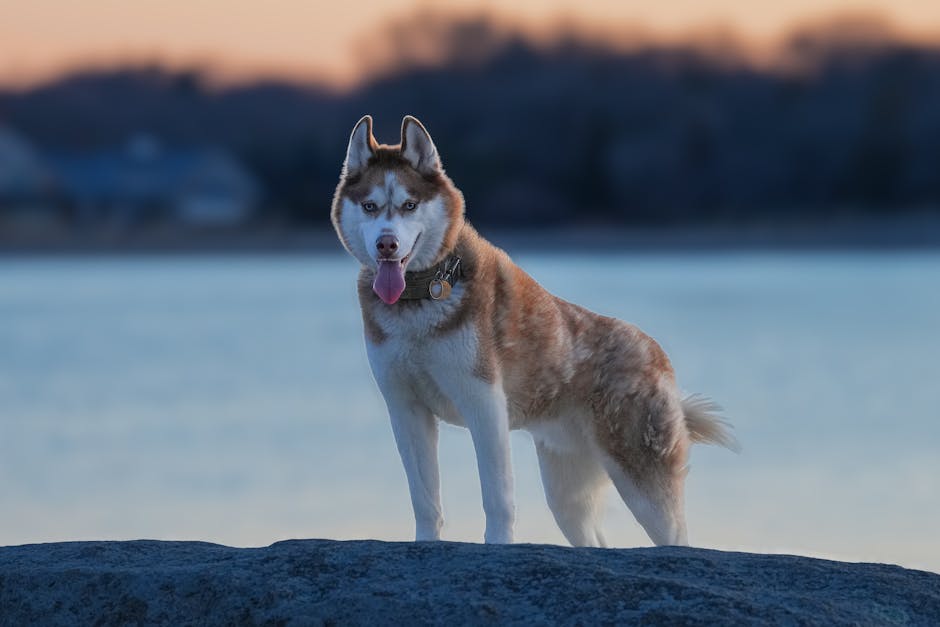
Hip dysplasia occurs when the ball and socket joint of the hip does not fit properly. In a healthy hip, the femoral head sits snugly in the acetabulum, allowing smooth gliding motion. In a dysplastic hip, joint laxity (looseness) causes abnormal wear and tear, leading to inflammation, cartilage damage, and eventually osteoarthritis. This condition is often bilateral, affecting both hips, and can range from mild discomfort to severe lameness.
Why Are Siberian Huskies Prone to Hip Dysplasia?
Multiple factors contribute to hip dysplasia in Huskies:
- Genetics: Hip dysplasia has a strong hereditary component. Dogs with affected parents are at higher risk.
- Growth rate: Rapid weight gain and growth during puppyhood can exacerbate joint laxity.
- Environment: Overnutrition, high-impact exercise on hard surfaces, and obesity increase stress on developing joints.
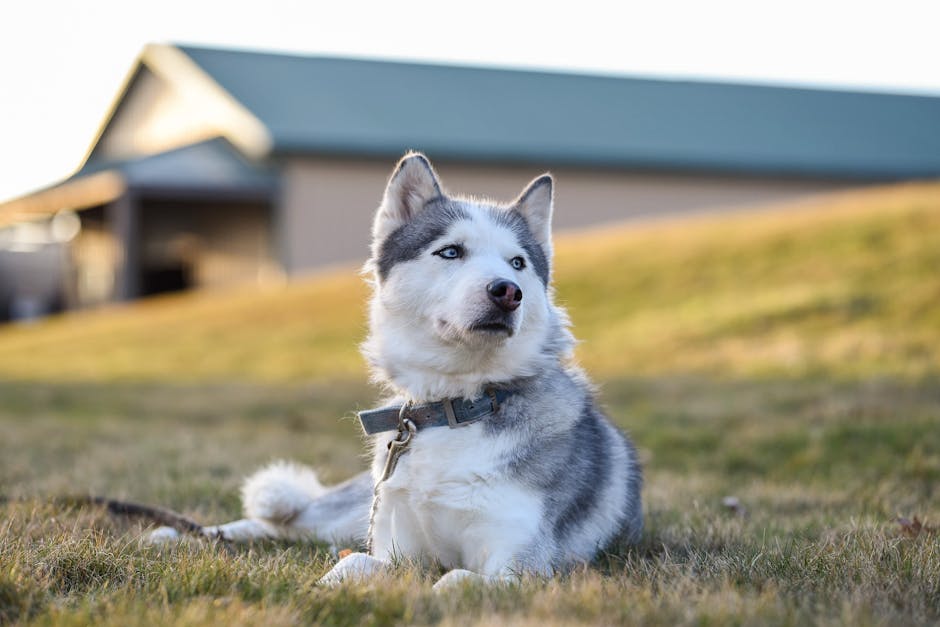
- Breed predisposition: Although not as common as in larger breeds, moderate-sized active breeds like the Siberian Husky can still develop the condition.
Signs and Symptoms of Hip Dysplasia in Huskies
Early detection can slow disease progression. Watch for these signs:
- Bunny hopping gait (both hind legs move together)
- Reluctance to jump onto furniture or into the car
- Stiffness after rest, especially in the morning
- Decreased enthusiasm for walks or play
- Visible pain when the hip area is touched
- Muscle wasting in the hindquarters
- Limping or favoring one leg
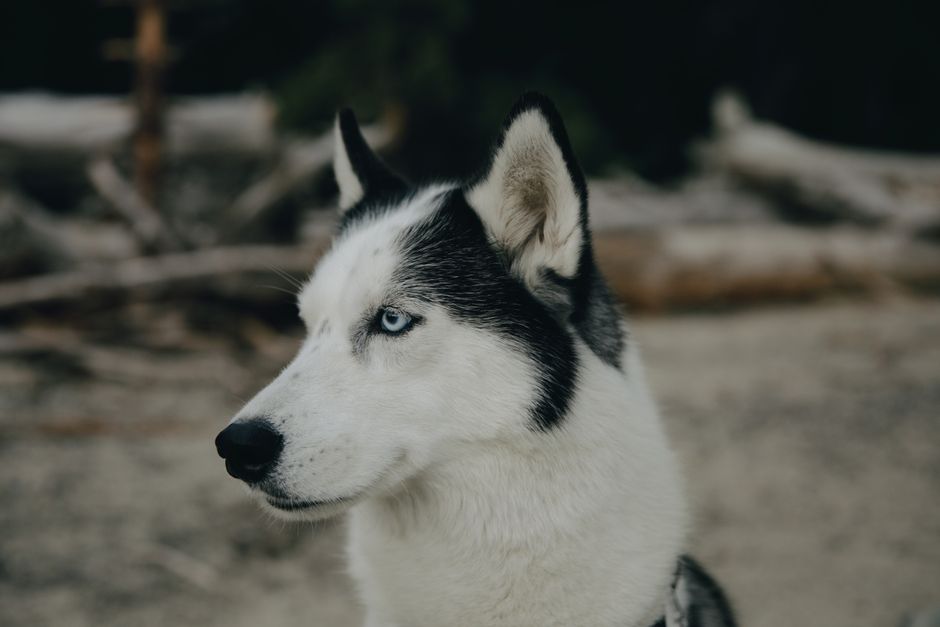
As arthritis sets in, symptoms worsen. Some Huskies may hide pain until the condition is advanced, so regular observation is key.
Diagnosis: How Is Hip Dysplasia Confirmed?
Veterinary examination: A vet will assess gait, range of motion, and pain response. A positive Ortolani test indicates joint laxity.
Radiographs (X-rays): The gold standard for diagnosing hip dysplasia. Two major scoring systems exist:
| System | Age Requirement | Use |
|---|---|---|
| OFA (Orthopedic Foundation for Animals) | 24 months | Rated fair, good, excellent; used for breeding |
| PennHIP | 16 weeks | Measures passive joint laxity; more predictive |
Early screening is recommended for breeding prospects to reduce the incidence in future generations.
Treatment Options for Hip Dysplasia
Treatment depends on the severity, age, and lifestyle of your Husky. It ranges from conservative management to surgery.
Conservative Management
For mild to moderate cases, non-surgical approaches can improve quality of life.
- Weight control: Excess weight places enormous stress on hips. Maintain a lean body condition.
- Exercise modification: Avoid high-impact activities like jumping, running on hard surfaces, and frisbee. Instead, opt for swimming, leash walks, and gentle play.
- Physical therapy: Underwater treadmill, massage, and range-of-motion exercises strengthen muscles and reduce stiffness.
- Dietary supplements: Joint-supporting supplements can slow cartilage degeneration.
| Supplement | Benefits | Notes |
|---|---|---|
| Glucosamine & Chondroitin | Support cartilage repair, reduce inflammation | Start early; give with food |
| Omega-3 Fatty Acids (EPA/DHA) | Anti-inflammatory, reduce joint pain | Fish oil-based; check dosage |
| MSM (Methylsulfonylmethane) | Reduces pain and stiffness | Often combined with glucosamine |
| Green-Lipped Mussel | Rich in omega-3s and chondroitin | May cause stomach upset in some dogs |
Medications: Non-steroidal anti-inflammatory drugs (NSAIDs) such as carprofen or meloxicam are prescribed for pain and inflammation. Always use under veterinary guidance.
Surgical Options
For severe dysplasia or when conservative care fails, surgery may be necessary. The table below outlines the main procedures:
| Procedure | Description | Best For | Pros | Cons |
|---|---|---|---|---|
| Triple Pelvic Osteotomy (TPO) | Cutting the pelvic bone to improve socket coverage | Young dogs (<12 months) with no arthritis | Preserves joint; can provide normal function | Invasive; long recovery; expensive |
| Femoral Head Ostectomy (FHO) | Removal of femoral head; creates false joint | Small dogs and cats; salvage procedure | Less expensive; no implant | Shorter limb; muscle atrophy; limited for active Huskies |
| Total Hip Replacement (THR) | Replacing the entire joint with artificial components | Severe arthritis; any age | Excellent long-term outcome; pain relief | Very expensive; requires specialized surgeon |
Your veterinarian and a board-certified surgeon will help decide the best approach based on your Husky’s age, weight, and degree of joint damage.
Preventing Hip Dysplasia in Husky Puppies
While genetics play a major role, you can reduce environmental risks:
- Choose a reputable breeder: Ensure both parents have OFA or PennHIP scores of fair or better. Ask for hip certifications.
- Control growth: Feed a high-quality large-breed puppy food (even though Huskies are medium-sized) to moderate growth rate. Avoid free-feeding.
- Limit high-impact exercise: Until your puppy’s growth plates close (around 12–18 months), avoid jumping, stair climbing, and long runs on pavement.
- Maintain lean weight: Keep your puppy at a healthy body condition score. You should be able to feel ribs without a thick fat layer.
- Provide joint-supporting nutrients: Consider early supplementation with DHA and glucosamine after consulting your vet.
Living with a Husky with Hip Dysplasia
A diagnosis of hip dysplasia does not mean your Husky’s active life is over. Many dogs adapt remarkably well with proper care. Here are practical tips:
- Home modifications: Use ramps or steps for furniture and cars, provide orthopedic beds, and keep floors non-slip with rugs or booties.
- Pain management: Work with your vet to create a multimodal plan that may include medications, acupuncture, cold laser therapy, or CBD oil (where legal).
- Low-impact exercise: Swimming is excellent for building muscle without joint strain. Short, frequent walks are better than one long hike.
- Weight vigilance: Even a few extra pounds can worsen lameness. Monitor weight monthly and adjust diet accordingly.
- Regular checkups: Arthritis changes over time. Periodic rechecks and X-rays help adjust treatment plans.
Frequently Asked Questions
Can hip dysplasia be cured?
No, but it can be managed effectively to maintain a good quality of life. Early intervention is key.
Should I breed a Husky with hip dysplasia?
Absolutely not. Hip dysplasia is hereditary, and breeding affected dogs perpetuates the condition. Spay/neuter is recommended.
What is the best diet for a Husky with hip dysplasia?
A balanced diet with moderate calories, high-quality protein, and added omega-3s. Some vets recommend joint diets like Hill’s j/d or Royal Canin Joint Care.
How long can a Husky live with hip dysplasia?
With proper management, many Huskies live a normal lifespan. Severe cases may require more intensive care, but overall prognosis is good.
Conclusion: Hip dysplasia is a challenging condition, but with awareness, preventative measures, and a proactive treatment plan, your Siberian Husky can enjoy years of comfort and activity. If you suspect your Husky is showing signs of hip problems, consult your veterinarian promptly. Early detection and intervention make all the difference.
Recommended Products for Your Husky
As an Amazon Associate, we earn from qualifying purchases. Learn more.
- Husky Care Essentials — Check price on Amazon
- Best-Selling Dog Gear — Check price on Amazon
- Newest Husky Products — Check price on Amazon
Editor's Note
In our experience husky owners underrate dental care. We've seen periodontal bacteria quietly damage organs by year seven. Brushing three times a week sounds like a lot until you price a professional cleaning.
Sources & Further Reading
HuskySpot researches each topic against recognized breed and veterinary authorities. The following organizations inform our content: