Stomach bloating, medically known as Gastric Dilatation-Volvulus (GDV), is a life-threatening emergency that can affect Siberian Huskies. This condition occurs when the stomach fills with gas (dilatation) and then twists on itself (volvulus), cutting off blood supply. Without immediate treatment, GDV can lead to shock, tissue death, and death within hours. Understanding the risks, recognizing early signs, and knowing prevention strategies are crucial for every Husky owner.
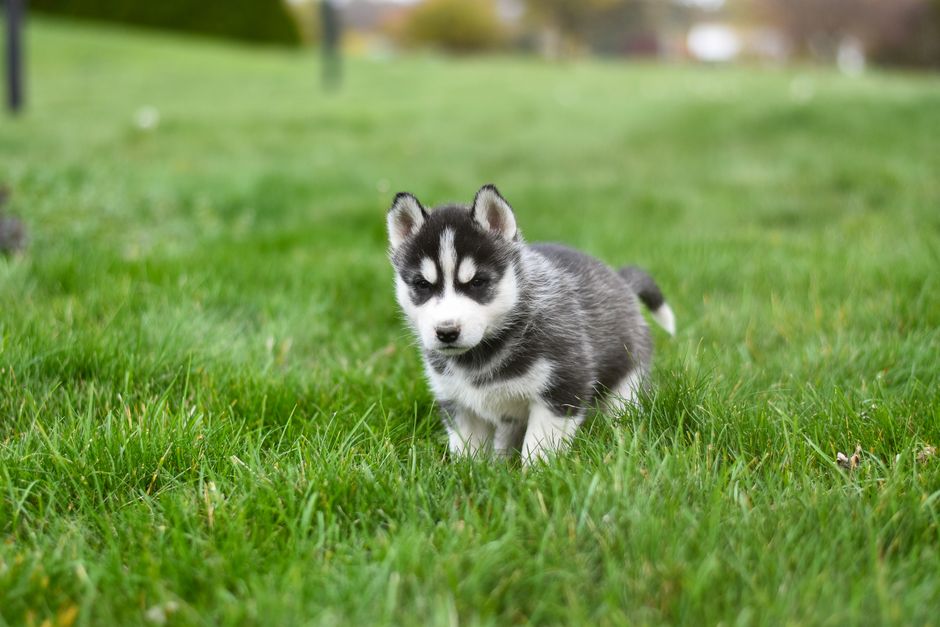
What is Gastric Dilatation-Volvulus (GDV)?
GDV is a two-stage process. First, the stomach becomes distended with gas, food, or fluid (dilatation). This can happen due to excessive air swallowing or fermentation of food. Then, the enlarged stomach rotates around its short axis (volvulus), trapping gas and cutting off blood flow. The twisted stomach prevents the dog from belching or vomiting to relieve pressure. As the condition progresses, the stomach wall dies, toxins enter the bloodstream, and the heart can fail.
In Siberian Huskies, GDV can occur suddenly, often after a large meal or vigorous exercise. While not as common as in deep-chested breeds like Great Danes, Huskies are still at elevated risk due to their deep chest conformation and active nature.
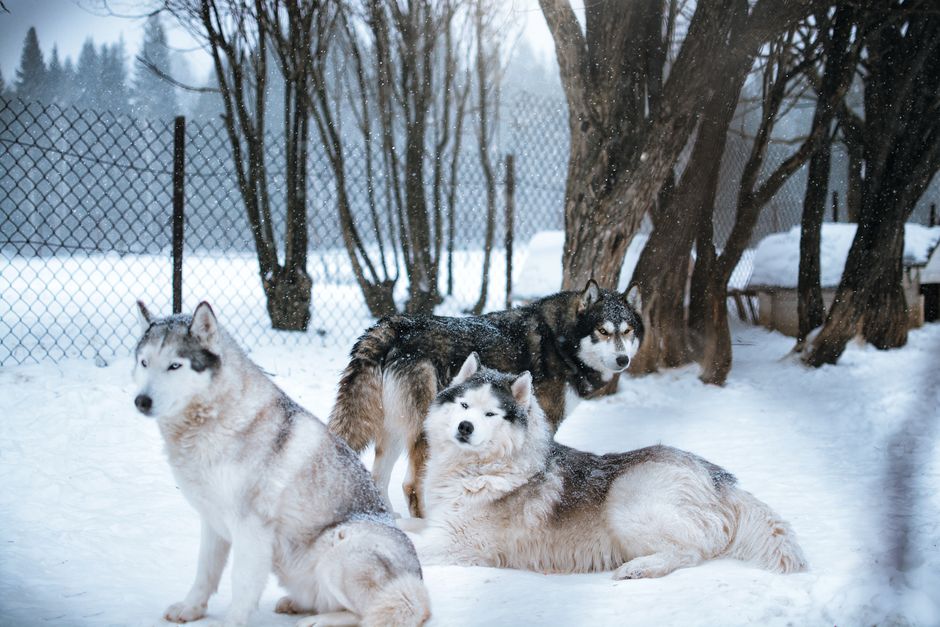
Why Are Siberian Huskies at Risk?
Several factors contribute to the risk of bloat in Huskies:
- Deep chest conformation: Huskies have a relatively deep, narrow chest, which allows the stomach to move more freely and twist.
- Fed one large meal per day: Eating a large volume at once increases the chance of stomach distension.
- Rapid eating: Huskies that gulp their food swallow excess air.
- Exercise after eating: Vigorous activity within an hour of a meal can trigger torsion.
- Stress or anxiety: Nervous dogs may swallow air or have altered digestion.
- Age: Older Huskies (over 7 years) are more prone.
- Family history: Genetics play a role; if a parent or sibling had GDV, risk increases.
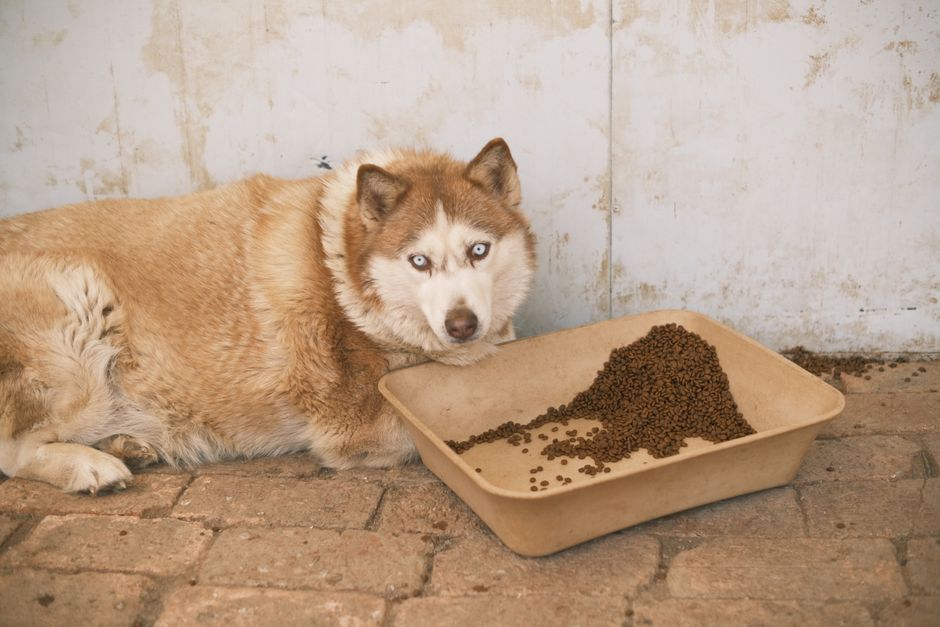
Recognizing the Signs of Bloating in Your Husky
Early detection is critical. Watch for these symptoms:
- Unsuccessful attempts to vomit: Your Husky may gag or retch but produce little or nothing.
- Distended abdomen: The belly appears swollen, hard, or drum-like when tapped.
- Restlessness: Pacing, inability to get comfortable, or repeatedly lying down and getting up.
- Heavy panting or drooling: Excessive salivation and rapid breathing are common.
- Pain: Whining, looking at the abdomen, or guarding the belly.
- Collapse: In advanced stages, the dog may become weak or collapse.
If you notice any combination of these signs, treat it as an emergency. Time is of the essence.
Immediate Steps to Take If You Suspect Bloating
- Stay calm but act fast. Call your veterinarian or an emergency animal hospital immediately.
- Do not try to make your dog vomit or give any medications. This can worsen the condition.
- Keep your Husky quiet and comfortable. Limit movement to avoid further torsion.
- Transport carefully. If possible, carry your dog to the car to minimize jostling.
- Do not offer food or water. The stomach needs to be empty for treatment.
Veterinary Diagnosis and Treatment Options
Diagnosis
The vet will perform a physical exam, looking for stomach distension and tenderness. X-rays (radiographs) are the gold standard to confirm GDV—they will show a classic “double bubble” or “tied-off” stomach shape. Blood work may be done to assess organ function and shock status.
Treatment
Treatment is urgent and typically involves:
- Stabilization: IV fluids, pain management, and possibly anti-arrhythmic drugs.
- Decompression: A tube is passed through the mouth into the stomach to release gas. Alternatively, a large needle may be inserted through the skin to deflate the stomach.
- Surgery: If the stomach has twisted, surgery is required to untwist it and check for dead tissue. The vet will also perform a procedure called gastropexy, which permanently attaches the stomach to the body wall to prevent future torsion.
- Post-operative care: Hospitalization for monitoring, antibiotics, and gradual reintroduction of food.
The survival rate is about 80% with prompt treatment, but drops significantly if surgery is delayed beyond 6 hours.
Prevention Strategies for Husky Owners
Preventing bloat is far better than treating it. Here are actionable tips:
- Feed multiple small meals daily: Split your Husky’s daily food into 2-3 smaller meals to reduce stomach distension.
- Use a slow feeder bowl: These have ridges that force your dog to eat more slowly, reducing air intake.
- Avoid exercise before and after meals: Wait at least 1 hour before and 2 hours after eating for any vigorous activity.
- Limit water intake after exercise: Allow small sips initially, then wait before letting your dog drink a large amount.
- improve the food bowl? While controversial, some studies show elevated bowls may reduce bloat risk in deep-chested dogs, but others suggest it may increase risk. Consult your vet. Feeding on the floor may be safer.
- Keep stress low: Provide a calm eating environment away from other pets or distractions.
- Consider prophylactic gastropexy: This surgical procedure can be done during spay/neuter or laparoscopically. It does not prevent bloat but prevents stomach torsion, giving you more time to get treatment. Discuss with your vet if your Husky is high-risk.
Long-Term Care and Monitoring After an Episode
If your Husky has survived GDV, follow-up care is essential:
- Dietary modifications: Feed small, frequent meals of a low-gas, easily digestible diet. Avoid high-fat or high-grain foods that cause fermentation.
- Monitor for recurrence: Even with gastropexy, the stomach can still bloat. Watch for signs of discomfort.
- Bloat diary: Keep a log of eating habits, exercise, and any minor symptoms to identify triggers.
- Medications: Some vets prescribe digestive aids or prokinetics to help stomach motility.
- Regular checkups: Annual exams and abdominal X-rays if recommended.
Frequently Asked Questions
| Question | Answer |
|---|---|
| Can bloat resolve on its own? | No. GDV is always a medical emergency and requires veterinary intervention. |
| Is there a home remedy for bloat? | No. Do not attempt any home treatments; seek immediate veterinary care. |
| What is the cost of treatment? | Costs vary widely but can range from $1,500 to $7,500 depending on severity and location. |
| Can a Husky live normally after bloat surgery? | Yes, with proper care and gastropexy, most dogs return to normal life. |
| How quickly does bloat progress? | Very quickly; death can occur within hours without treatment. |
Stomach bloating is a frightening but preventable condition. By understanding the risks, staying vigilant for symptoms, and implementing preventive measures, you can protect your Siberian Husky. Always trust your instincts—if something seems off, contact your vet immediately. Your quick action can save your Husky’s life.
Recommended Products for Your Husky
As an Amazon Associate, we earn from qualifying purchases. Learn more.
- Healthy Dog Treats — Check price on Amazon
- Dental Chews — Check price on Amazon
- Training Treats — Check price on Amazon
Editor's Note
Our team has sat through enough husky eye exams to know the hereditary risks are real. We tell every owner to get a baseline ophthalmologist check early—catching corneal dystrophy at two is far cheaper than at six.
Sources & Further Reading
HuskySpot researches each topic against recognized breed and veterinary authorities. The following organizations inform our content: