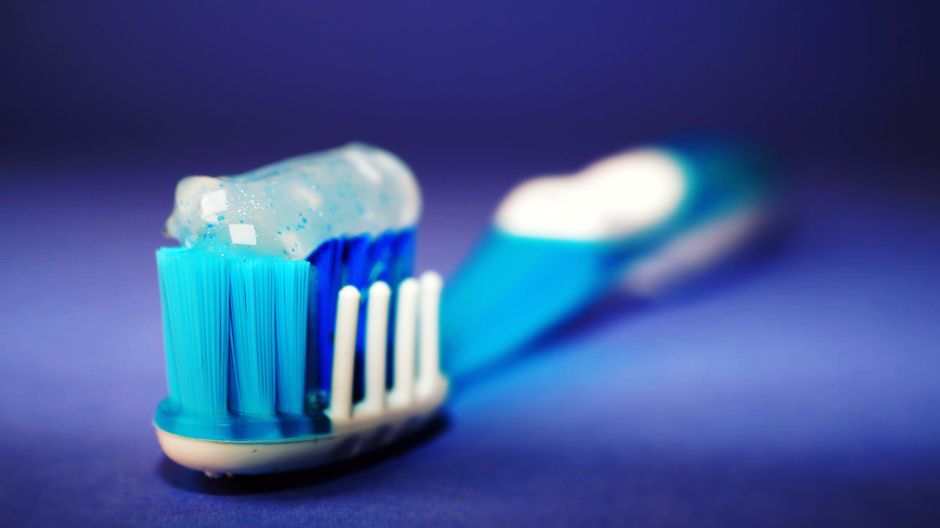
Why Dental Health Matters for Siberian Huskies
Dental health is a critical yet often overlooked aspect of Siberian Husky care. Just like humans, Huskies can suffer from a range of oral issues that affect not only their teeth and gums but also their overall well-being. Poor dental hygiene can lead to pain, infection, and even systemic diseases affecting the heart, kidneys, and liver. Given their active nature and love for chewing, Huskies are prone to specific dental problems that require proactive attention. This guide will walk you through common issues, prevention strategies, and treatment options to keep your Husky’s smile healthy.
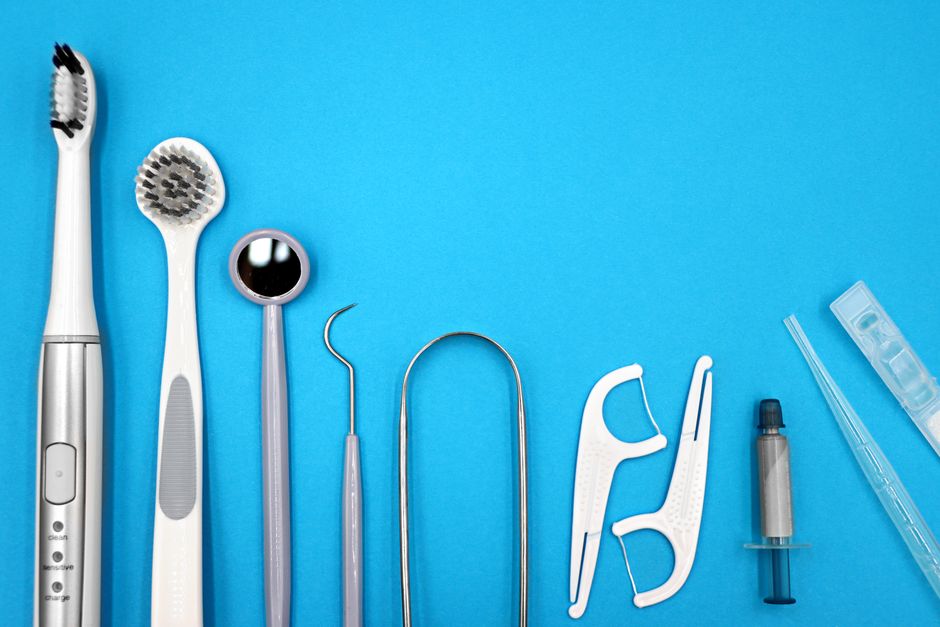
Common Dental Problems in Huskies
Siberian Huskies are predisposed to several dental conditions due to their genetics, diet, and behavior. Here are the most prevalent:
- Periodontal Disease: This is the most common dental problem in dogs, affecting over 80% by age three. It starts with plaque buildup that hardens into tartar, leading to gum inflammation (gingivitis) and, if untreated, infection and tooth loss.
- Broken or Fractured Teeth: Huskies love to chew on hard items like bones, antlers, and even rocks. This can cause tooth fractures, especially on the carnassial teeth (large upper premolars). A broken tooth may expose the pulp, causing severe pain and infection.
- Gingivitis and Stomatitis: Inflammation of the gums (gingivitis) or the entire mouth (stomatitis) can cause redness, swelling, and bleeding. In severe cases, it may lead to ulcers and difficulty eating.
- Plaque and Tartar Buildup: Without regular cleaning, plaque mineralizes into tartar, which adheres tightly to teeth and provides a breeding ground for bacteria.
- Bad Breath (Halitosis): While often a sign of other issues, persistent bad breath can indicate dental disease, tooth decay, or oral tumors.
- Oral Tumors: Though less common, Huskies can develop benign or malignant growths in the mouth. Any unusual lump or swelling should be checked by a vet.
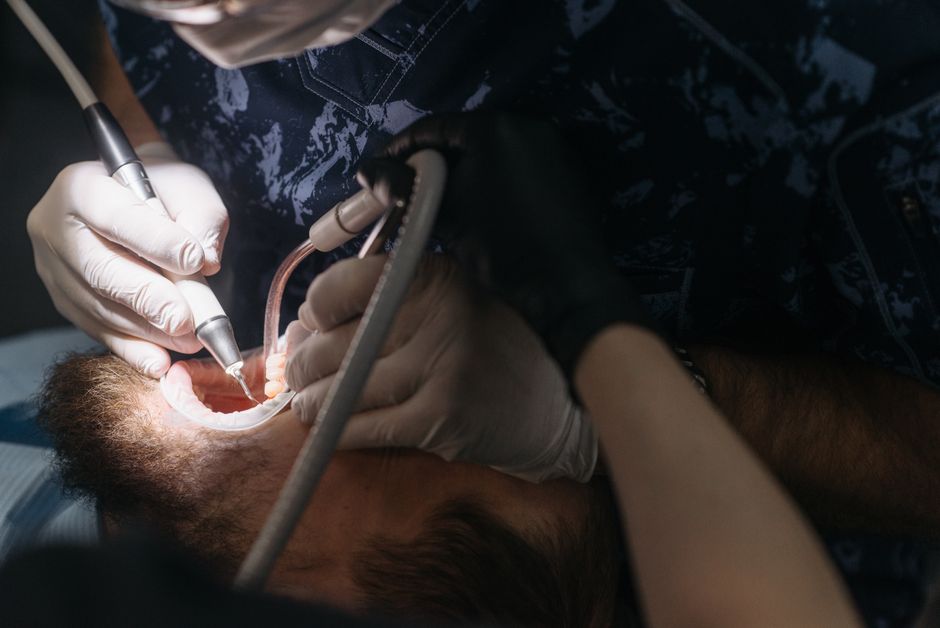
Signs of Dental Problems
Dogs are masters at hiding pain, so it’s important to watch for subtle signs. Look out for:
- Bad breath (halitosis)
- Excessive drooling or drool with blood
- Pawing at the mouth or face
- Reluctance to eat or dropping food
- Chewing on one side only
- Red, swollen, or bleeding gums
- Yellow or brown tartar on teeth
- Loose or missing teeth
- Visible tooth fractures
- Whining or signs of pain when mouth is touched
If you notice any of these, schedule a veterinary dental exam promptly.
How to Prevent Dental Issues
Prevention is the best medicine. Implement these practices to keep your Husky’s teeth healthy:
- Daily Brushing: Use a dog-specific toothbrush and toothpaste (never human toothpaste, as it contains xylitol which is toxic). Start slowly to acclimate your Husky.
- Dental Chews and Toys: Provide durable rubber toys or dental chews that help scrape off plaque. Avoid excessively hard items like real bones or antlers that can fracture teeth.
- Water Additives: Enzymatic water additives can reduce plaque and freshen breath. They are easy to use – just add to your Husky’s water bowl.
- Dental Diet: Some prescription diets (e.g., Hill’s t/d or Royal Canin Dental) are formulated to reduce tartar buildup mechanically through kibble texture.
- Regular Vet Checkups: Annual dental exams and professional cleanings under anesthesia are crucial for removing tartar below the gumline.
- Oral Sprays or Gels: Chlorhexidine-based products can help control bacteria when brushing isn’t possible.
Step-by-Step Guide to Brushing Your Husky's Teeth
Brushing your Husky’s teeth may seem daunting, but with patience, it becomes a routine. Follow these steps:
- Gather Supplies: Dog toothbrush (finger brush or angled brush) and enzymatic toothpaste (poultry or peanut butter flavor).
- Introduce the Taste: Let your Husky lick a small amount of toothpaste from your finger. Repeat for a few days.
- Touch the Teeth: Gently lift your dog’s lip and rub the teeth with your finger. Praise and reward.
- Introduce the Brush: Put toothpaste on the brush and let your dog lick it. Then, gently brush a few teeth. Gradually increase the number of teeth each session.
- Full Brushing: Aim to brush all outer tooth surfaces using circular motions. Focus on the back teeth where plaque builds up most. Brush for about 30 seconds per side.
- Reward: Always end with a treat or praise. Consistency is key – brush ideally every day.
Home Remedies and What to Avoid
While home care is essential, some well-intentioned remedies can do more harm than good. Here’s what to avoid:
- Human Toothpaste: Contains xylitol, fluoride, and foaming agents that can cause stomach upset or toxicity in dogs.
- Hard Bones or Antlers: These can crack teeth, leading to expensive dental procedures and pain. Opt for softer nylon bones or rubber toys.
- Baking Soda: While sometimes used, it can upset stomach if swallowed and is abrasive. Stick to dog-specific toothpaste.
- Over-the-Counter Dental Products: Not all are effective. Look for products with the Veterinary Oral Health Council (VOHC) seal of acceptance.
Safe home remedies include giving your Husky raw carrots or apple slices (supervised) to help clean teeth, or using coconut oil as a gentle gum massage (small amounts).
When to See a Vet
If your Husky exhibits any signs of dental pain (e.g., difficulty eating, pawing at mouth, visible tooth fracture) or if you notice swelling, bleeding, or a foul odor, seek veterinary attention immediately. Additionally, annual professional dental cleanings under anesthesia are recommended for most dogs. Vets can perform a full oral examination, take dental X-rays, and clean below the gumline where brushing cannot reach.
Professional Dental Cleanings for Huskies
A professional dental cleaning typically involves:
- Pre-anesthetic exam and blood work to ensure safety.
- Anesthesia to keep your Husky still and pain-free.
- Scaling and polishing of teeth, both above and below the gumline.
- Dental X-rays to check for hidden issues (e.g., abscesses, bone loss).
- Extractions if necessary.
Costs vary but range from $300 to $1,500 depending on location and complexity. Many pet insurance plans cover dental cleanings. After cleaning, maintain a home care routine to prolong the benefits.
Dental Health and Diet
Diet plays a role in dental health. Dry kibble is generally better than wet food because it creates friction against teeth, reducing plaque. However, some premium dry foods are designed with larger kibble to encourage chewing. Canned or moist food can stick to teeth and promote bacteria growth. You can also incorporate dental treats or a raw diet (with caution) but always consult your vet.
Frequently Asked Questions
Can I use human toothpaste on my Husky?
No. Human toothpaste contains xylitol, fluoride, and foaming agents that are harmful to dogs. Always use veterinary-approved enzymatic toothpaste.
How often should I brush my Husky's teeth?
Ideally daily, but at least 3-4 times per week to significantly reduce plaque and tartar.
Are dental chews effective?
Yes, when used as part of a comprehensive dental routine. Look for VOHC-approved chews that help reduce tartar. Avoid excessively hard chews.
Why does my Husky have bad breath?
Bad breath often indicates bacterial overgrowth from plaque and tartar. It can also be a sign of periodontal disease, kidney disease, or diabetes. Consult your vet if it persists.
Do Huskies need professional dental cleaning?
Yes, even with home care, professional cleanings under anesthesia are necessary to remove tartar below the gumline and assess overall oral health.
| Common Problem | Cause | Symptoms | Treatment |
|---|---|---|---|
| Periodontal Disease | Plaque buildup | Bad breath, red gums, loose teeth | Brushing, dental cleanings, extractions |
| Broken Tooth | Chewing hard objects | Pain, visible fracture, drooling | Extraction or root canal |
| Gingivitis | Plaque, poor hygiene | Swollen, bleeding gums | Brushing, professional cleaning |
| Oral Tumor | Genetic or unknown | Lump, bleeding, difficulty eating | Surgical removal, biopsy |
By staying proactive with your Husky’s dental care, you can prevent pain, save money on treatments, and ensure your furry friend enjoys a healthy, happy life. Start today by scheduling a veterinary dental checkup and establishing a daily brushing routine.
Recommended Products for Your Husky
As an Amazon Associate, we earn from qualifying purchases. Learn more.
- Car Seat Cover — Check price on Amazon
- Dog Car Hammock — Check price on Amazon
- Seat Belt — Check price on Amazon
Editor's Note
We've noticed senior huskies get written off too soon. The seven-year-old who 'slowed down' often just needed a joint supplement and lighter exercise, not a goodbye. Biannual checks changed outcomes for clients we manage.
Sources & Further Reading
HuskySpot researches each topic against recognized breed and veterinary authorities. The following organizations inform our content: