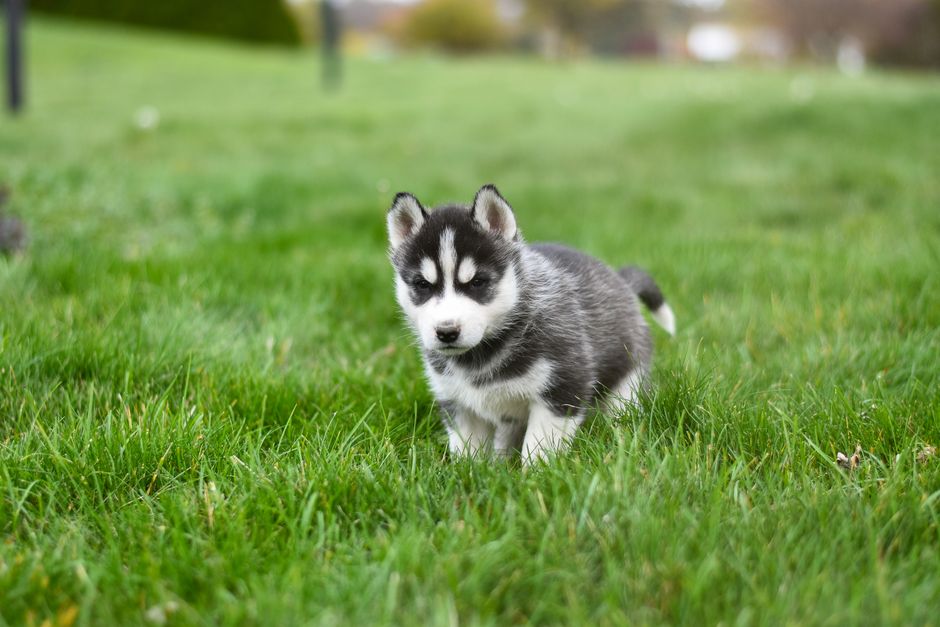
Understanding Urinary Tract Infections in Huskies
Urinary tract infections (UTIs) are a common health issue in Siberian Huskies, affecting the bladder, urethra, or kidneys. These infections occur when bacteria, typically E. coli, enter the urinary tract and multiply. Huskies, like all dogs, can develop UTIs due to anatomical factors, poor hygiene, or underlying conditions such as diabetes or bladder stones. Recognizing the signs early is crucial to prevent complications like kidney damage.
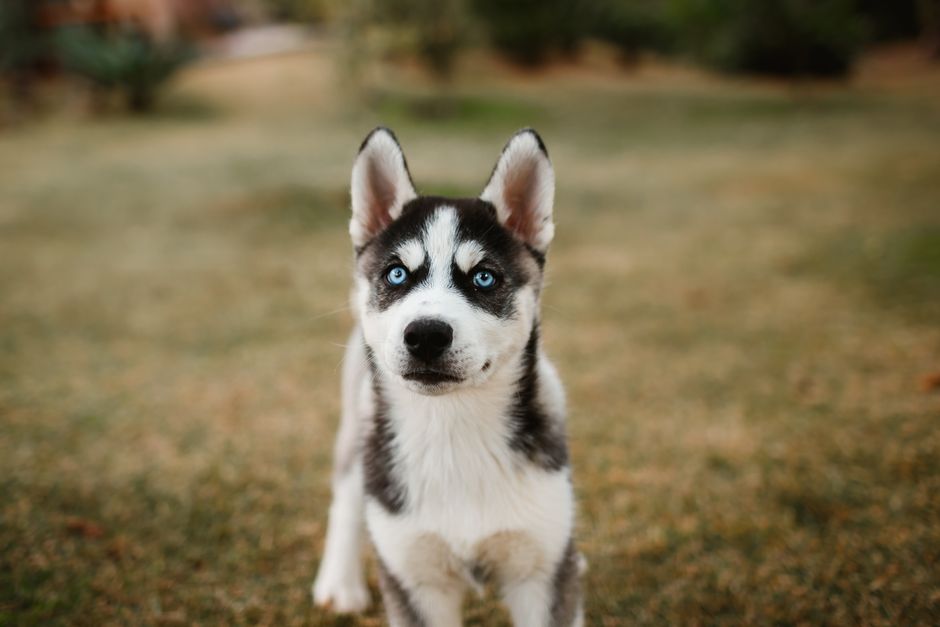
Common Symptoms of a Husky Urinary Infection
Huskies may not always show obvious discomfort, but watch for these signs:
- Increased frequency of urination – your husky may ask to go out more often or have accidents indoors.
- Straining or difficulty urinating – a hunched posture or whimpering while peeing.
- Blood in urine – pink or red discoloration.
- Strong-smelling or cloudy urine – signs of bacterial waste.
- Excessive licking of genital area – irritation or pain.
- Lethargy or fever – systemic infection.
- Loss of appetite or vomiting – advanced infection.
If your husky displays any of these symptoms, consult a veterinarian promptly.
Diagnosing the Infection
Your vet will perform a physical exam and collect a urine sample (via free catch or cystocentesis). Urinalysis checks for bacteria, white blood cells, and crystals. A urine culture may be done to identify the specific bacteria and determine the best antibiotic. In recurrent cases, imaging like X-rays or ultrasound rules out stones or tumors.
Treatment Options
Bacterial UTIs are treated with a course of antibiotics (e.g., amoxicillin, enrofloxacin) prescribed by your vet. Administer the full course even if symptoms improve. Supportive care includes:
- Encouraging water intake – fresh water, wet food, or adding broth.
- Frequent bathroom breaks – to flush out bacteria.
- Pain relief – anti-inflammatory medication if needed.
Never give human medications without veterinary approval.
Natural Remedies and Prevention
While antibiotics are primary, these can aid recovery and reduce recurrence:
- Cranberry supplements – may prevent bacteria from adhering to bladder walls (use dog-specific products).
- Probiotics – support gut health during antibiotic therapy.
- Apple cider vinegar – add a teaspoon to water (optional, controversial).
- D-mannose – a sugar that binds to E. coli and helps flush it out.
Preventative Measures
- Ensure constant access to clean water.
- Take your husky out regularly – don't hold urine for long periods.
- Maintain genital hygiene, especially in females.
- Feed a balanced diet to support immune health.
- Manage stress – anxiety can weaken immunity.
When to See a Vet
Seek immediate veterinary care if your husky:
- Cannot urinate at all (possible blockage).
- Has severe pain, vomiting, or collapse.
- Shows signs of kidney infection (fever, back pain).
- Has recurrent UTIs – may indicate an underlying issue.
Early intervention prevents kidney damage and sepsis.
Frequently Asked Questions
Can a husky UTI go away on its own?
Rarely. Without treatment, the infection can spread to kidneys and become serious. Always see a vet.
Is a UTI painful for huskies?
Yes, it causes discomfort, burning sensation, and urgency. Pain relief may be part of treatment.
How long does treatment take?
Antibiotics are typically given for 10-14 days. Improvement is seen within a few days, but complete the course.
Can diet prevent UTIs?
A balanced diet that maintains a healthy urinary pH and provides adequate hydration can help. Avoid high-ash foods.
By understanding husky urinary infections, you can act quickly and keep your furry friend comfortable and healthy. Regular vet checkups and attentive care are key.
Recommended Products for Your Husky
As an Amazon Associate, we earn from qualifying purchases. Learn more.
- Healthy Dog Treats — Check price on Amazon
- Dental Chews — Check price on Amazon
- Training Treats — Check price on Amazon
Editor's Note
We've handled the bloat scare more times than we can count. The rule we drilled into every client: no exercise for an hour after meals. A distended belly with unproductive retching is an ER trip, not a wait-and-see.
Sources & Further Reading
HuskySpot researches each topic against recognized breed and veterinary authorities. The following organizations inform our content: