Many Siberian Husky owners find themselves puzzled and frustrated when their beloved pet refuses to accept a crate. Unlike some breeds that naturally seek out den-like spaces, Huskies often exhibit intense dislike for confinement. Understanding the reasons behind this behavior is key to addressing it effectively. Let's explore the unique traits of the Husky breed that contribute to crate aversion, and discover practical solutions to help your Husky feel safe and comfortable in a crate.
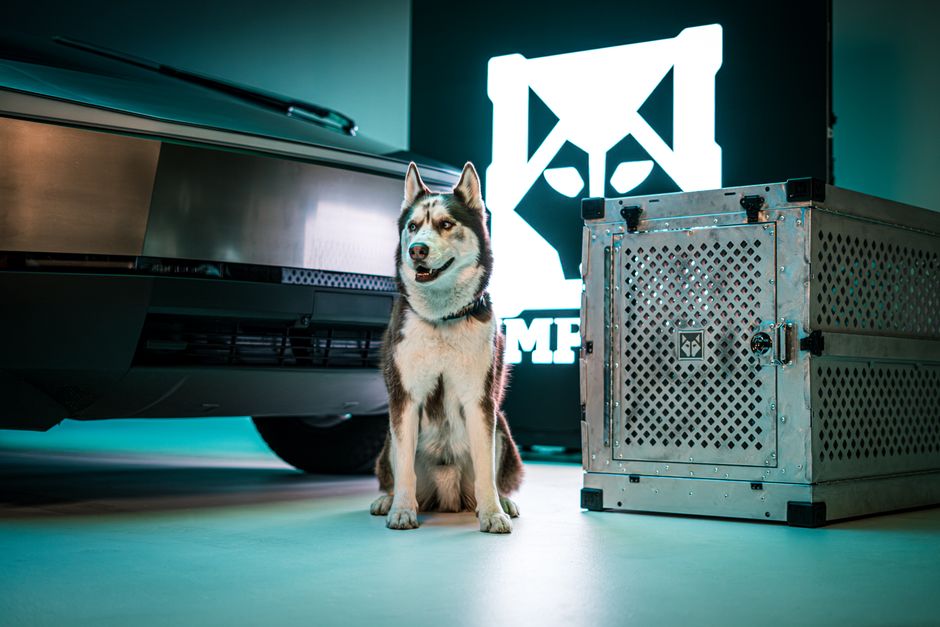
The Instinctive Nature of Siberian Huskies
Siberian Huskies were bred to pull sleds across vast frozen landscapes. They are a primitive breed, closely related to wolves, with strong instinctive behaviors. This heritage influences their reaction to crates in several ways:
- Pack Mentality: Huskies are pack animals that thrive on close social contact. A crate isolates them from their pack (you and your family), which can trigger separation anxiety.
- Need for Freedom: Bred for endurance and exploration, Huskies have an innate drive to roam. A confined space feels unnatural and restrictive to them.
- High Energy Levels: Huskies are active dogs that require ample exercise. A crate can feel like a prison if they haven't had an outlet for their energy.
These factors mean that a standard crate training approach may backfire with a Husky unless tailored to their specific needs.
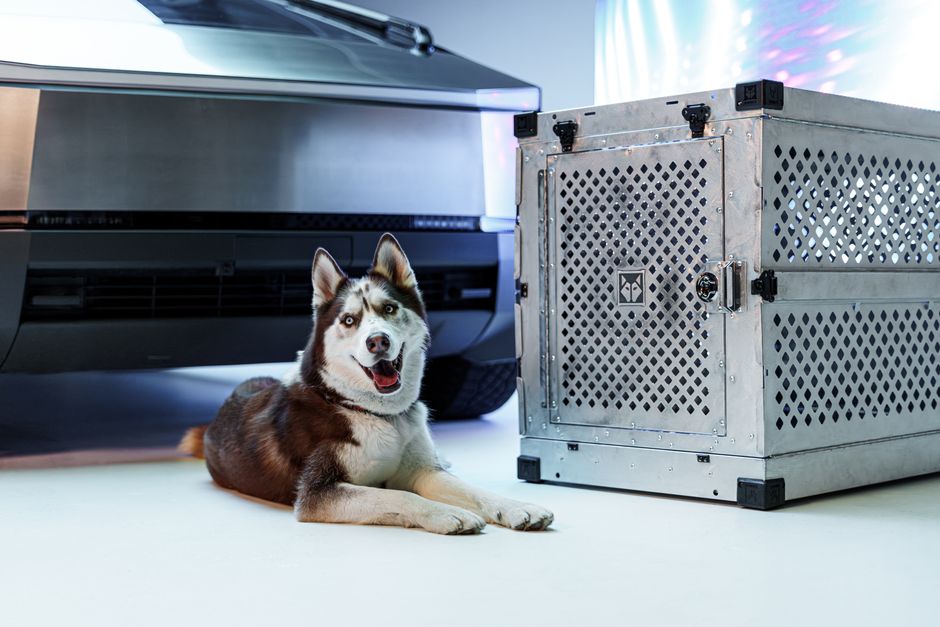
Common Reasons Huskies Develop Crate Aversion
Negative Associations
If a Husky is forced into a crate, used for punishment, or confined for long periods, they quickly learn to associate it with negative experiences. This is especially damaging for a sensitive breed like the Husky.
Separation Anxiety
Huskies are known for their attachment to their owners. Being separated by a crate door can cause extreme distress, leading to vocalization, destructive behavior, and attempts to escape.
Lack of Exercise
An under-exercised Husky is a recipe for disaster. Without enough physical and mental stimulation, a crate becomes a source of frustration rather than a safe haven.
Claustrophobic Tendencies
Some Huskies simply dislike enclosed spaces. Their thick double coat can make them overheat in a poorly ventilated crate. Additionally, if a crate is too small or covered improperly, it can feel suffocating.
Strong Prey Drive
Huskies have a high prey drive. If they see or hear something interesting outside the crate, they may become frantic to get out, reinforcing the idea that the crate is a barrier to their desires.
How to Make Your Husky Love Their Crate
Choose the Right Crate
Select a wire crate that is large enough for your Husky to stand, turn around, and lie down comfortably. Avoid plastic crates that are too enclosed, as they can intensify feelings of confinement. Ensure good airflow and visibility.
Gradual Desensitization
Start by leaving the crate door open and placing treats, toys, and bedding inside. Let your Husky explore at their own pace. Never force them in. Feed meals inside the crate to create positive associations.
Exercise Before Crate Time
Always provide vigorous exercise and mental stimulation before crating a Husky. A tired dog is more likely to settle calmly. A 30-minute run or a game of fetch can make a huge difference.
Use High-Value Rewards
Give your Husky something special that they only get when in the crate: a Kong stuffed with peanut butter, a bully stick, or a puzzle toy. This teaches them that good things happen in the crate.
Keep Crate Sessions Short Initially
Start with just a few minutes while you are home. Gradually increase duration as your Husky becomes comfortable. Never leave them crated for more than a few hours at a time.
Make the Crate Comfortable
Add a soft bed, but be mindful of temperature. Huskies can overheat easily, so ensure the crate is in a cool, shaded area. You can also cover part of the crate with a light blanket to create a den-like feel, but leave enough open area for airflow.
Use Calming Aids
Consider using pheromone sprays (Adaptil), calming music, or a Thundershirt to reduce anxiety. Some Huskies respond well to a frozen Kong or a safe chew toy to keep them occupied.
Crate Training Alternatives for Huskies
If your Husky absolutely refuses to accept a crate despite all efforts, consider alternatives:
- Exercise Pen (X-pen): A larger enclosed area that gives more freedom while still confining them.
- Dog-proofed Room: Use baby gates to section off a safe room with minimal hazards.
- Doggy Daycare or Pet Sitter: For times when you're away, professional care can prevent destructive behavior.
Remember, the goal is not to force your Husky into a crate, but to provide a safe space they can enjoy. Every Husky is an individual; some may never love the crate, but with patience and positive methods, most can learn to tolerate it.
Frequently Asked Questions
Should I cover my Husky's crate?
It depends on your dog. Some Huskies feel more secure with a covered crate (like a den), while others become anxious due to lack of visibility. Try both and observe your dog's reaction. Ensure adequate ventilation.
How long can a Husky stay in a crate?
Adult Huskies should not be crated for more than 4-6 hours during the day, and ideally less. Puppies need more frequent potty breaks. Never crate a Husky for extended periods without adequate exercise and attention.
Is it cruel to crate a Husky?
Not if done correctly. Crate training, when positive and respectful of the dog's needs, can provide a safe space. However, forcing a Husky into a crate as punishment or for too long is indeed harmful.
What if my Husky screams or howls in the crate?
First, ensure they are not in distress (e.g., needing to potty, overheated, or injured). If they are simply protesting, do not let them out while they are vocalizing, as that rewards the behavior. Wait for a quiet moment, then release. Practice short sessions and increase duration gradually.
Conclusion
Understanding why Huskies hate crates requires delving into their breed history, instincts, and individual personalities. By addressing their need for exercise, social connection, and positive associations, you can transform the crate from a hated prison into a comforting den. Patience, consistency, and empathy are key. With the right approach, your Husky can learn to see the crate as their own safe haven.