If you've ever driven with a Siberian Husky, you know that their vocalizations can be startling—especially the high-pitched, piercing screams they sometimes emit in the car. Unlike barking or howling, this scream can be alarming to new owners. But understanding why huskies scream in the car is the first step to addressing this behavior. In this comprehensive guide, we'll explore the reasons behind car screaming, how to differentiate excitement from distress, and practical tips to make car rides more peaceful for both you and your furry friend.
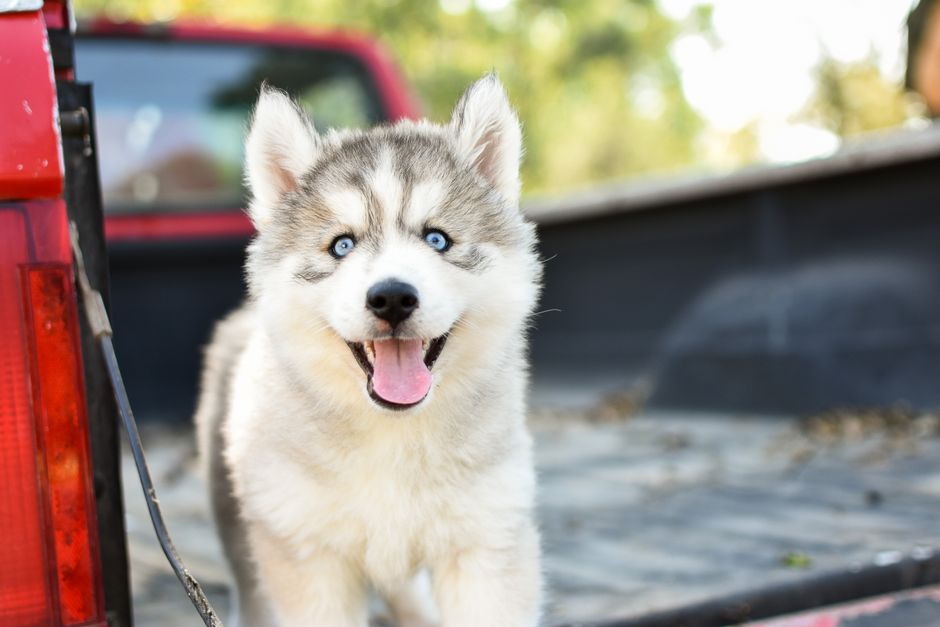
Common Reasons Huskies Scream in the Car
Excitement and Anticipation
Huskies are known for their dramatic personalities. For many, the car is associated with fun destinations like the dog park, hiking trails, or the beach. The scream may be an expression of pure excitement. Your Husky might be saying, "I can't wait to get there!" This type of scream is usually accompanied by a wagging tail, alert ears, and a relaxed body posture. If your Husky only screams when you turn onto a familiar road that leads to a favorite spot, excitement is likely the cause.
Anxiety or Stress
On the flip side, some Huskies scream because they are anxious or stressed. The car can be a confined, moving space that triggers fear. Common stressors include unfamiliar routes, loud traffic, or past negative experiences (e.g., a trip to the vet). An anxious Husky may also pant excessively, drool, tremble, or try to hide. The scream is a distress call. It's important to distinguish this from excitement, as the approach to solving it will differ.
Motion Sickness
Just like humans, dogs can get car sick. Nausea can cause discomfort, leading to whining, crying, or screaming. Puppies are more prone to motion sickness because their inner ear structures are still developing. Signs include lip licking, yawning, vomiting, or lethargy. If your Husky screams and then becomes quiet or drools excessively, motion sickness could be the culprit.
Boredom or Frustration
Huskies are intelligent, high-energy dogs. If a car ride is long and uneventful, your Husky might become bored or frustrated. The scream can be a way to release pent-up energy or demand attention. If your Husky is otherwise calm but starts screaming after a prolonged period, try offering a toy or taking a break during the trip.
Communication with Other Dogs
Huskies are pack animals. If you have multiple dogs, one may scream to communicate with another in the car—or even with dogs in other vehicles. This is often a social behavior, similar to howling. It may be triggered by seeing another dog outside the window. While not necessarily a problem, it can be distracting to the driver.
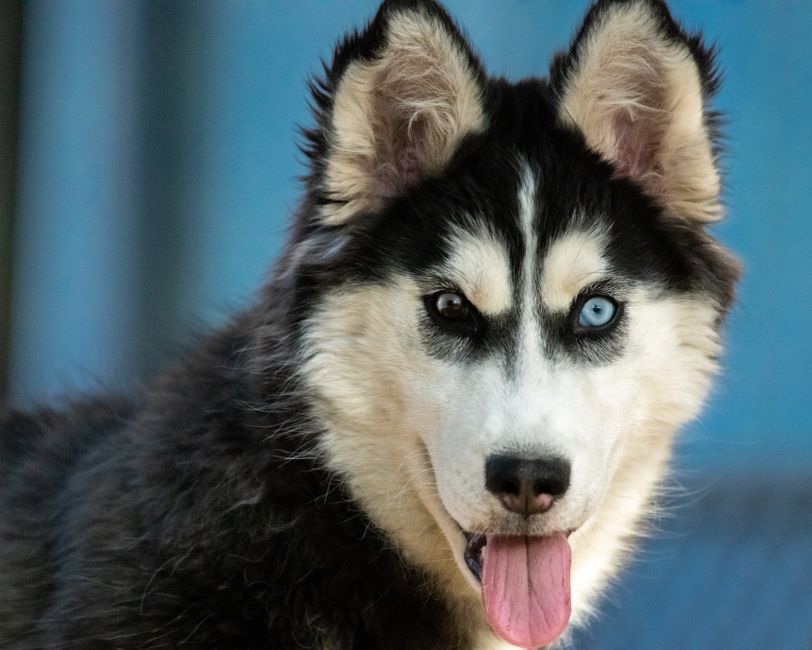
How to Tell the Difference Between Excitement and Distress
Observing your Husky's body language is key. Use the table below to identify whether your dog is happy or stressed:
| Signs | Excitement | Distress |
|---|---|---|
| Tail | Wagging high and fast | Tucked between legs or stiff |
| Ears | Alert and forward | Flattened back |
| Eyes | Bright with relaxed eyelids | Wide with visible whites (whale eye) |
| Body | Bouncing, relaxed | Shaking, trembling, low posture |
| Mouth | Loose, happy panting | Tight lips, drooling, yawning |
| Vocalization | Short bursts, ends quickly when destination reached | Persistent, escalates |
Tips to Reduce Car Screaming in Huskies
Gradual Desensitization
If the screaming is fear-based, slowly acclimate your Husky to the car. Start by sitting in a parked car with the engine off, giving treats and praise. Gradually progress to turning the engine on, then short trips around the block. Increase duration slowly. This builds positive associations and reduces anxiety.
Create a Positive Association
Make the car a wonderful place! Use high-value treats, favorite toys, or a special car-only bone. Feed your Husky in the car (parked) to associate it with good things. Never use the car solely for negative trips (like vet visits). Mix in fun destinations randomly.
Provide Comfort Items
Bring items that smell like home or you: a familiar blanket, a worn t-shirt, or a stuffed toy. The familiar scent can soothe anxious Huskies. For excitement, provide a chew toy to redirect energy.
Use Calming Aids
Consider natural calming supplements like L-theanine, chamomile, or CBD oil (consult your vet). ThunderShirts or pressure wraps can also help anxious dogs. For motion sickness, ask your vet about anti-nausea medication or ginger treats.
Exercise Before the Trip
A tired Husky is a quiet Husky. Before a car ride, take your dog for a vigorous walk or play session to burn off excess energy. This can reduce both excitement and anxiety-related screaming.
Secure Your Husky Properly
Use a crash-tested harness or a crate. A secure space can make your Husky feel safer. It also prevents roaming, which can be distracting. Crate training in the car, covered with a light blanket, can create a den-like environment.
When to Consult a Veterinarian or Trainer
If your Husky's screaming is accompanied by vomiting, diarrhea, or extreme panic, consult your veterinarian to rule out underlying health issues like motion sickness or separation anxiety. If home strategies don't work after consistent effort, consider a professional dog trainer or behaviorist. They can create a customized plan and help with desensitization techniques.
Frequently Asked Questions
Is it normal for huskies to scream in the car?
Yes, it's a common behavior due to their vocal nature. However, it's important to address underlying causes to ensure your dog is comfortable.
Can I train my husky to stop screaming in the car?
Absolutely. With patience and positive reinforcement, most Huskies can learn to be calm during car rides. The key is identifying the root cause.
Should I punish my husky for screaming?
No. Punishment can increase anxiety and make the behavior worse. Instead, reward quiet behavior and work on desensitization.
How long does it take to stop car screaming?
It varies. Some dogs improve within a few weeks, while others may take months. Consistency and positive associations are crucial.
Understanding why your Husky screams in the car is the first step toward a peaceful journey. Whether it's excitement, anxiety, or motion sickness, you now have practical tools to help your dog—and yourself—enjoy car rides again. Remember, patience and love are your best allies. Happy driving!