Huskies are notorious escape artists. If you own a Siberian Husky, you've likely witnessed their incredible ability to scale a fence that seems impossible. But why do they do it? Understanding the reasons behind this behavior is the first step to preventing it. In this comprehensive guide, we'll explore the instincts, motivations, and solutions for fence climbing in Huskies.
The Instinct to Explore
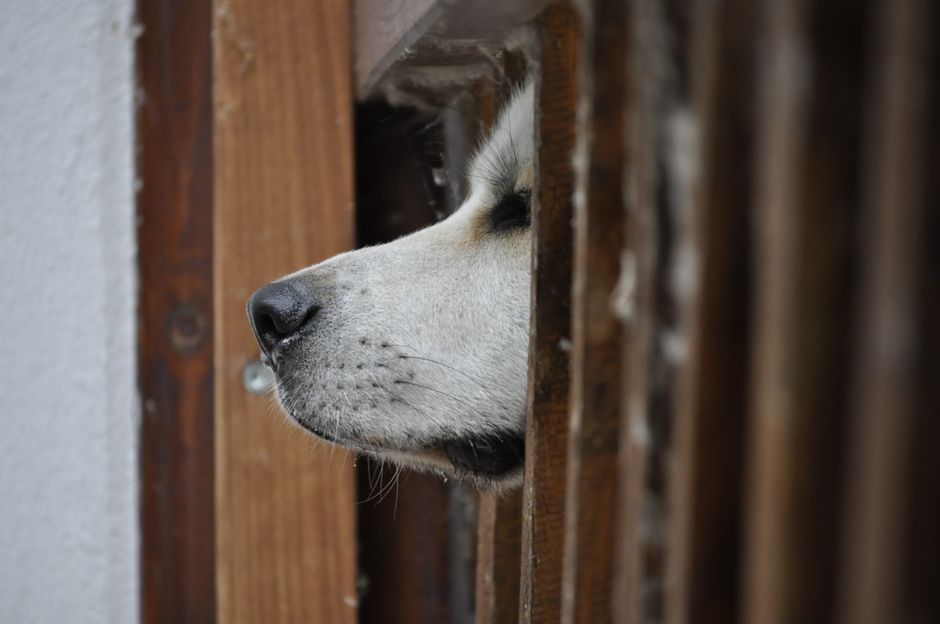
Siberian Huskies were bred as sled dogs, capable of traveling great distances across harsh terrains. This history has instilled in them a powerful drive to roam and explore. Unlike many other breeds that are content with a backyard, Huskies see fences as challenges to overcome rather than boundaries. Their independent nature and high intelligence mean they are always looking for an adventure. This innate curiosity often leads them to test the limits of their enclosure, and climbing becomes a means to satisfy their exploratory urge.
Boredom and Lack of Stimulation
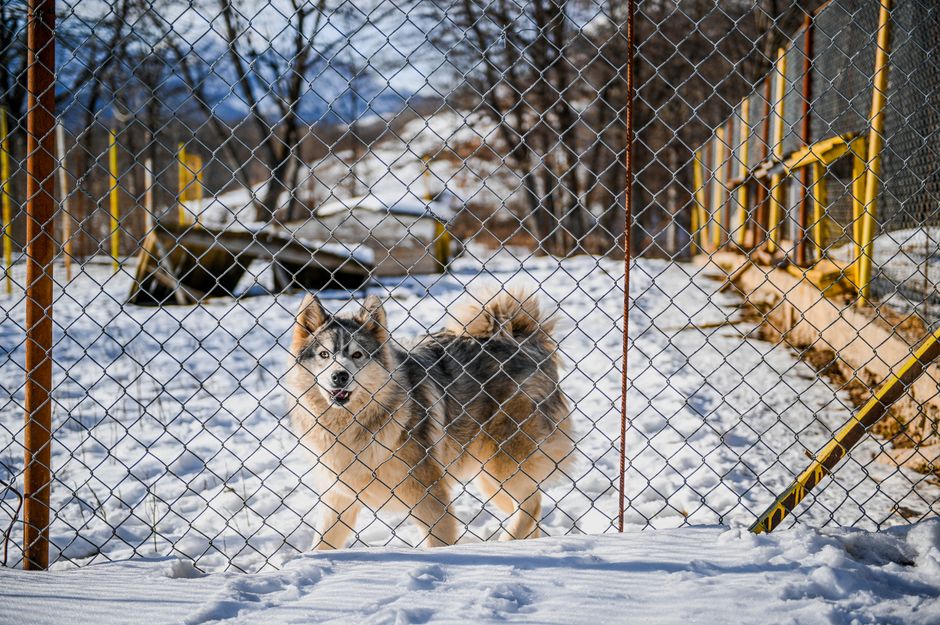
Huskies are high-energy dogs that require both physical exercise and mental stimulation. When they don't get enough, they find their own entertainment — and that often involves escaping. A bored Husky will resort to destructive behaviors, digging, and yes, climbing fences. Key signs of boredom include:
- Excessive barking or whining
- Chewing on fence posts or digging near the base
- Pacing along the fence line
- Attempting to jump or climb
If your Husky is fence-climbing, evaluate how much exercise and playtime they receive. A tired Husky is a well-behaved Husky. Aim for at least an hour of vigorous activity daily, combined with puzzle toys, training sessions, and interactive games.
Separation Anxiety
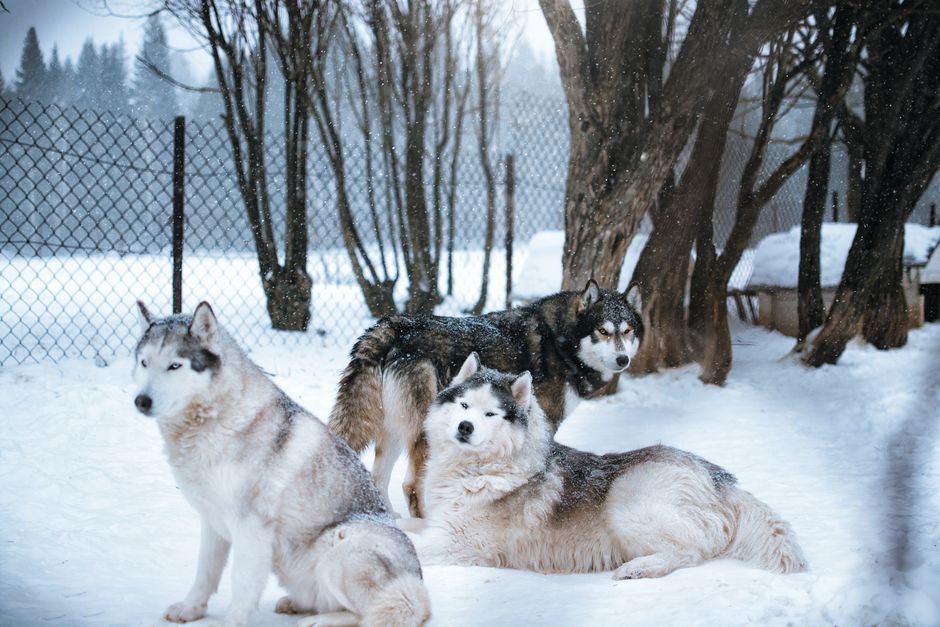
Huskies are pack animals that bond closely with their families. When left alone for long periods, they can develop separation anxiety. This anxiety manifests in frantic escape attempts to reunite with their owners. Fence climbing becomes a desperate act of panic. If your Husky only climbs the fence when you're away, this could be the cause. Solutions include gradual desensitization to departures, crate training, and providing comfort items. In severe cases, consult a professional behaviorist.
Prey Drive and Sightseeing
Huskies have a strong prey drive. A squirrel, rabbit, or even a leaf blowing in the wind can trigger their chase instinct. If they see something interesting on the other side of the fence, they may climb to investigate. This is not just about chasing; they are naturally curious about what lies beyond their territory. Common triggers include:
- Wildlife in the yard
- Neighbor's pets
- People walking by
- Sounds and smells from outside
To reduce this, consider adding visual barriers to the fence, such as privacy slats or plants, to block tempting views. Also, avoid leaving your Husky unsupervised in the yard when prey animals are active.
Physical Ability and Motivation
Huskies are incredibly athletic. They can jump high, dig deep, and climb surprisingly well. Their agile bodies and strong legs make scaling a chain-link fence or even a wooden one possible. Some Huskies learn to use nearby objects like doghouses or garbage bins as launch pads. It's not just about motivation — they have the physical capability to execute these escapes. Common techniques include:
- Jumping directly over low fences (under 5 feet)
- Using their paws to climb chain-link like a ladder
- Digging under then squeezing through
- Biting and pulling loose boards or wire
Understanding their physical prowess helps you design a more secure enclosure. For example, a 6-foot fence might be adequate for a less determined dog, but a Husky may still clear it with a running start.
How to Prevent Fence Climbing
Once you know why your Husky climbs, you can take action. Here are practical, proven methods to keep them safe:
Reinforce the Fence
- Install a taller fence (at least 6 feet high).
- Use coyote rollers (rolling bars) on top to prevent gripping.
- Add an L-footer — a strip of strong wire mesh buried at the base extending outward to stop digging.
- Consider an angled extension at the top (inward-leaning) to make climbing awkward.
Remove Launching Points
- Move any objects near the fence: benches, rocks, planters, or doghouses.
- Trim tree branches that overhang the fence.
Increase Exercise and Enrichment
- Provide at least 60 minutes of aerobic exercise daily (running, hiking, fetch).
- Incorporate mental stimulation: puzzle toys, obedience training, scent work.
- Consider dog sports like agility or bikejoring to channel their energy.
Supervision and Training
- Never leave your Husky unsupervised in the yard until the behavior is resolved.
- Practice recall training so they come when called.
- Use a long line or tie-out if fencing isn't secure.
Address Anxiety
- Gradually accustom your Husky to being alone.
- Provide a safe space like a crate with a chew toy.
- Use calming aids such as pheromone diffusers or anxiety wraps if needed.
Address the Root Cause
the most effective approach is to combine physical confinement measures with addressing the underlying motivations. A Husky that is well-exercised, mentally stimulated, and not anxious is far less likely to climb fences. Consider this checklist:
| Factor | Action |
|---|---|
| Exercise | Provide 60+ minutes daily; include running or hiking. |
| Mental stimulation | Puzzle toys, training sessions, nose work. |
| Bonding time | Include your Husky in family activities; avoid long isolation. |
| Fence security | Use tall, reinforced fence with anti-climb measures. |
| Environment | Remove launch points and visual temptations. |
Remember, punishment is rarely effective and can increase anxiety. Instead, reward calm behavior and provide alternatives. A Husky that feels fulfilled at home will have no reason to escape.
Conclusion
Huskies climb fences for reasons deeply rooted in their breed: instinct to roam, boredom, separation anxiety, prey drive, and sheer athleticism. By understanding these motivations, you can create a secure environment and a happy life for your Husky. The key is a multi-faceted approach: strengthen the fence, enrich their daily routine, and address any emotional distress. With patience and consistency, you can keep your Husky safe and sound in the yard — without them scaling the fence to find adventure elsewhere.